
Why Beauty Brands Need More Than Product Photography
For years, product photography has been a cornerstone of beauty marketing. Clean pack shots, detailed close-ups, and e-commerce images remain essential for showcasing products and helping consumers understand what they are buying. However, in today's highly competitive beauty industry, product photography alone is no longer enough.
Modern consumers expect more than a simple image of a bottle, jar, or lipstick. They want stories, experiences, emotions, and authenticity. They want to understand not only what a product looks like but also what it represents and how it fits into their lives.
As beauty brands compete for attention across social media, digital advertising, websites, and retail platforms, visual storytelling has become just as important as product presentation. The brands seeing the strongest engagement and loyalty are those that move beyond traditional product photography and embrace a more comprehensive visual strategy.
At Parish Mandhan Productions, we believe that successful beauty marketing combines product imagery with storytelling, lifestyle content, human connection, and brand identity. Here's why beauty brands need much more than product photography to thrive in 2026 and beyond.
Product Photography Shows the Product, Storytelling Sells It
Product photography performs an important function. It helps consumers see:
Packaging design
Product details
Color variations
Texture
Size and shape
However, product photography alone cannot explain why a consumer should care.
People rarely purchase beauty products based solely on appearance. They buy products because of the emotions, experiences, and results they expect to receive.
Storytelling helps communicate:
Confidence
Self-care
Transformation
Luxury
Wellness
Personal expression
While product photography answers the question, "What is this?" storytelling answers, "Why does this matter?"
Consumers Buy Aspirations, Not Just Products
Beauty marketing has always been deeply emotional.
Consumers are often purchasing a vision of who they want to become. They are investing in confidence, self-expression, wellness, and lifestyle aspirations.
A photograph of a skincare bottle may communicate quality, but it cannot fully communicate the feeling of healthy, radiant skin.
Lifestyle and campaign imagery help consumers imagine:
How the product fits into their routine
What results they might achieve
How they might feel after using it
The stronger the emotional connection, the stronger the influence on buying decisions.
Human Connection Drives Engagement
One of the biggest limitations of product-only photography is the absence of people.
Humans naturally connect with other humans.
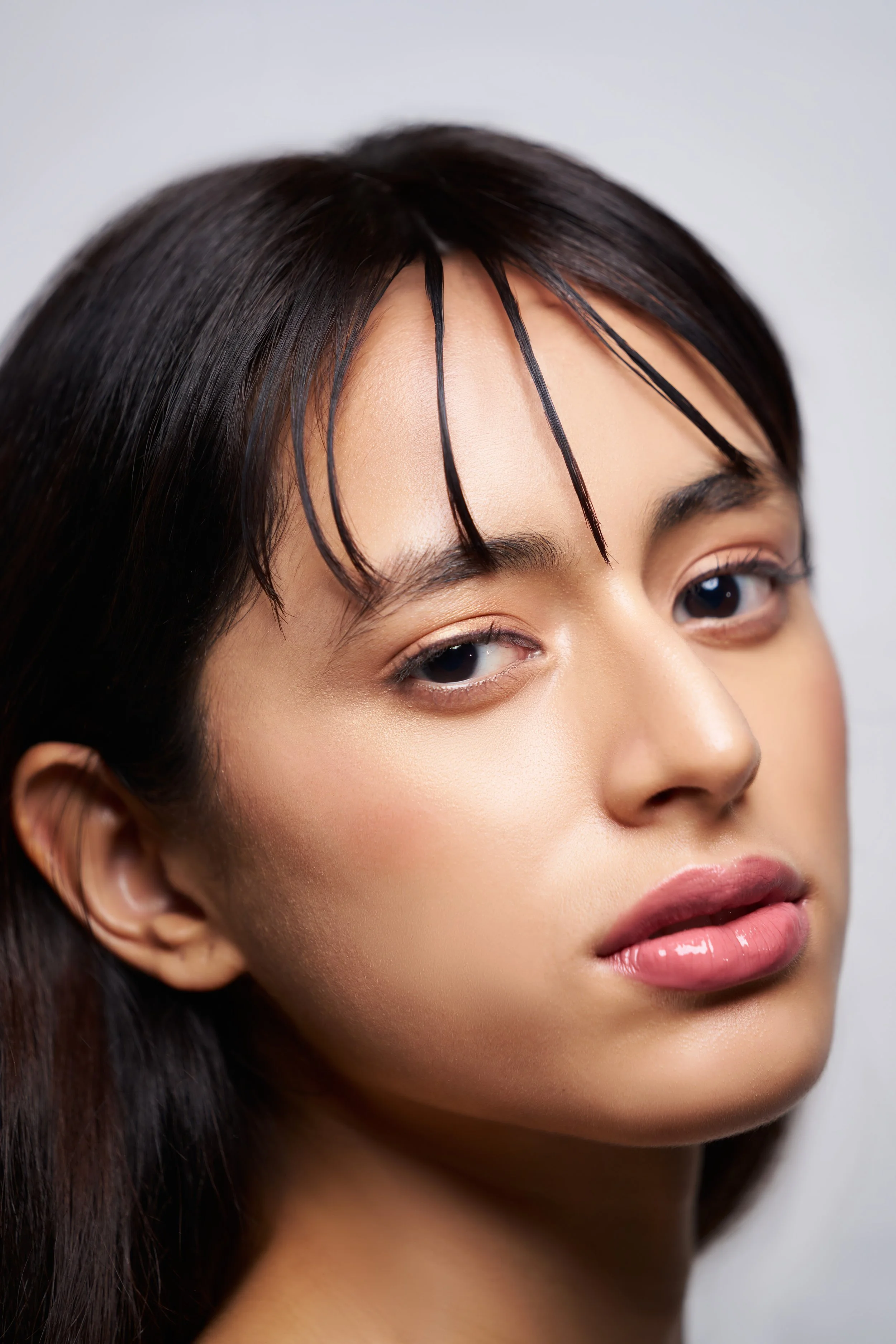
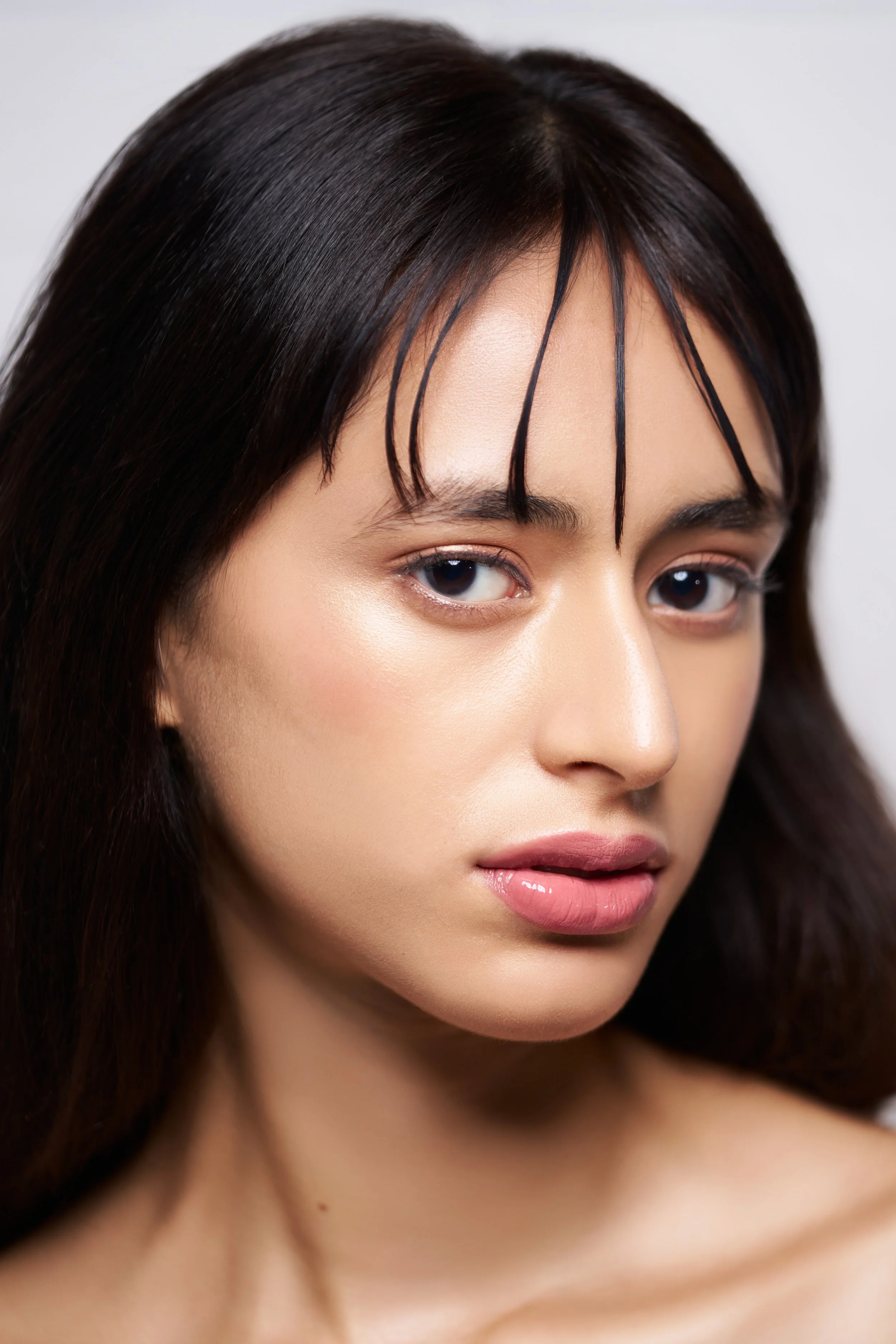
Beauty campaigns featuring real people often generate stronger engagement because they allow consumers to visualize:
Product usage
Desired outcomes
Lifestyle alignment
Personal transformation
Models, creators, ambassadors, and real customers help bring products to life in ways that standalone pack shots cannot.
Consumers want to see the people behind and around the product.
Social Media Demands More Dynamic Content
Platforms like Instagram, TikTok, Pinterest, and YouTube have transformed how beauty brands communicate.
Consumers now expect a variety of visual content formats, including:
Behind-the-scenes photography
Lifestyle imagery
Campaign visuals
Creator collaborations
Educational content
Story-driven videos
A feed filled exclusively with product photography often feels repetitive and transactional.
Brands that create diverse visual content are more likely to capture attention and maintain audience interest over time.
Social media rewards storytelling and authenticity as much as product presentation.
Brand Identity Is Built Through Visual Experiences
Successful beauty brands are recognized not only by their products but also by their visual identity.
Photography helps communicate:
Brand personality
Values
Positioning
Aesthetic direction
Customer experience
When a beauty brand relies solely on product photography, it misses opportunities to build a richer and more memorable identity.
Lifestyle campaigns, editorial imagery, and storytelling content help create a recognizable visual world around the product.
Consumers remember brands that make them feel something.
Product Photography Doesn't Fully Communicate Results
Beauty products are often purchased because of their promised outcomes.
Consumers want to know:
How a foundation looks on skin
How a serum affects complexion
How a lipstick complements different skin tones
How a moisturizer fits into a skincare routine
Product photography alone cannot always demonstrate these experiences effectively.
Beauty brands increasingly use:
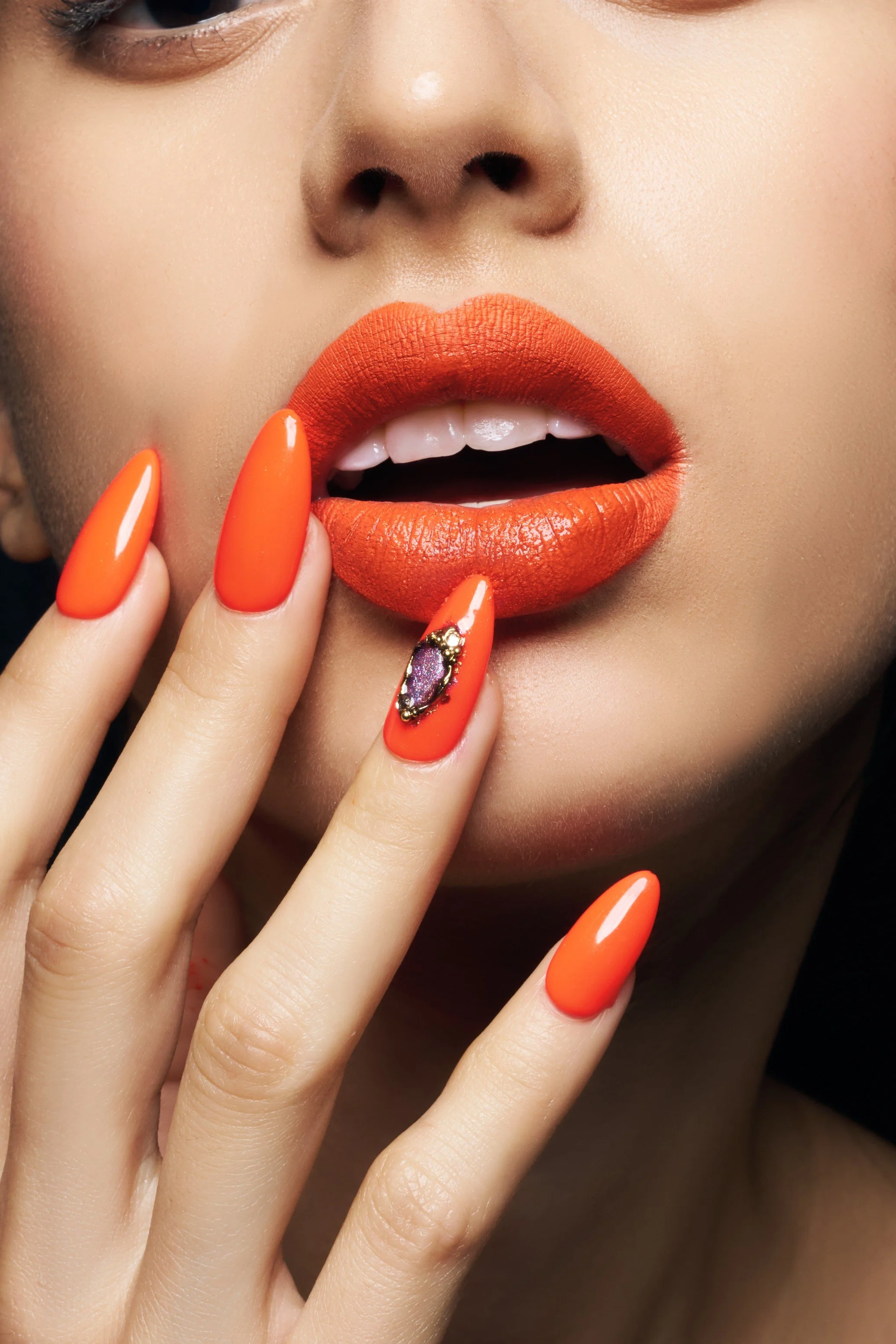
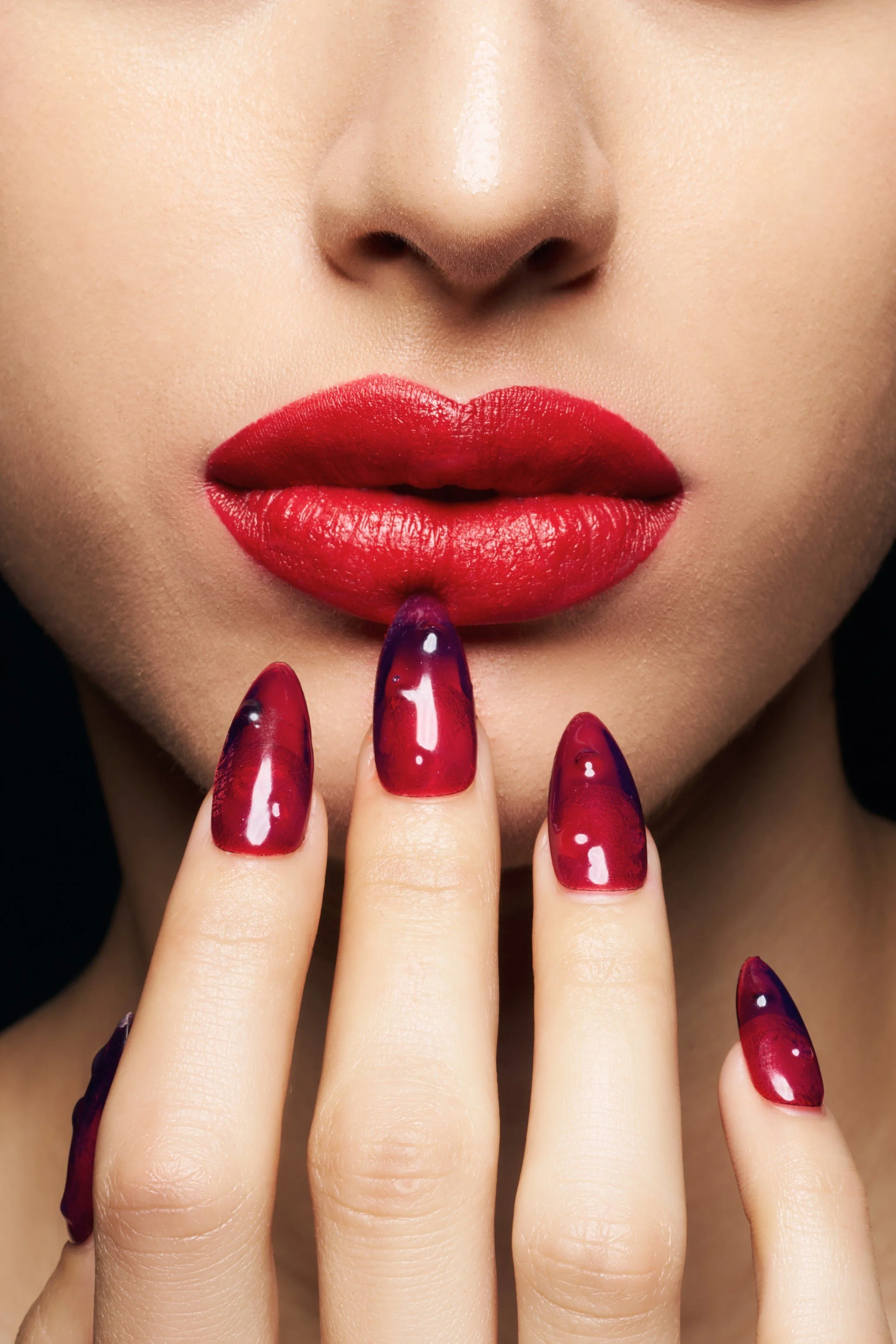
Model photography
Application imagery
Before-and-after storytelling
Tutorial content
Lifestyle photography
to provide greater context and help consumers understand product benefits.
The easier it is for consumers to visualize results, the more confident they become in purchasing decisions.
Authenticity Builds Trust
Modern consumers are increasingly skeptical of overly polished advertising.
They want brands that feel transparent, relatable, and genuine.
Authentic visual content often includes:
Real people
Natural environments
Behind-the-scenes moments
Documentary-style imagery
Customer stories
These elements help brands build trust by showing the human side of the business.
Product photography may establish professionalism, but authentic storytelling helps establish credibility.
Trust is one of the most valuable assets in beauty marketing.
Lifestyle Photography Creates Context
Products rarely exist in isolation.
Consumers want to see how products fit into real-life situations.
Lifestyle photography helps create context by showing:
Daily routines
Self-care rituals
Wellness experiences
Personal moments
Luxury environments
This context makes products feel more relevant and desirable.
Consumers can better imagine incorporating the product into their own lives.
The result is a stronger emotional connection and increased purchase intent.
Premium Brands Sell Experiences
Luxury beauty brands understand that customers are not simply purchasing ingredients and packaging.
They are purchasing experiences.
Luxury campaigns often focus on:
Mood
Atmosphere
Emotion
Storytelling
Aspirational lifestyles
Product photography remains important, but it becomes part of a larger visual ecosystem.
The goal is to create a world around the product rather than simply displaying it.
This is one reason premium beauty brands invest heavily in campaign photography and creative production.
Diverse Visual Content Performs Better
Different types of content serve different purposes.
For example:
Product Photography
Showcases details
Supports e-commerce
Highlights packaging
Lifestyle Photography
Creates emotional connections
Builds aspiration
Communicates brand values
Beauty Campaigns
Strengthen brand positioning
Increase awareness
Tell stories
Behind-the-Scenes Content
Builds authenticity
Humanizes the brand
Creates transparency
A balanced visual strategy helps beauty brands connect with consumers at multiple stages of the customer journey.
AI Has Increased the Value of Original Photography
As AI-generated imagery becomes more common, original photography is becoming more valuable.
Consumers increasingly appreciate:
Real experiences
Genuine storytelling
Human creativity
Authentic visual content
Beauty brands that invest in original photography can create stronger emotional connections and maintain greater credibility.
Authenticity is becoming a competitive advantage in an increasingly automated content landscape.
Photography Supports Long-Term Brand Growth
Beauty brands that think beyond immediate sales often invest in a broader visual strategy.
Comprehensive photography contributes to:
Brand recognition
Consumer trust
Audience engagement
Customer loyalty
Premium perception
Every image becomes part of a larger narrative that strengthens the brand over time.
Photography should not be viewed as a collection of individual assets but as a long-term investment in brand building.
Why Professional Production Matters
Creating effective beauty content requires more than simply taking attractive photos.
Successful campaigns often involve:
Creative direction
Strategic planning
Beauty photography
Styling
Retouching
Storytelling
Professional production ensures that every image supports broader marketing objectives while maintaining a consistent visual identity.
At Parish Mandhan Productions, we approach beauty photography as part of a complete storytelling strategy designed to help brands stand out and connect with audiences.
Final Thoughts
Product photography remains essential, but it is no longer sufficient on its own. Today's beauty consumers expect brands to offer experiences, stories, authenticity, and emotional connection alongside product information.
The most successful beauty brands understand that visual content should do more than showcase products—it should build trust, communicate values, inspire aspiration, and create memorable brand experiences.
At Parish Mandhan Productions, we believe beauty photography is most powerful when it extends beyond the product and into storytelling. Through lifestyle imagery, campaign photography, human-centered visuals, and creative direction, brands can create a visual identity that resonates with consumers and drives long-term growth.
Because in today's beauty industry, consumers are not just buying products—they are buying into the story behind them.