
Why Fashion Campaigns Need Strong Visual Narratives
Fashion has always been about more than clothing. While garments remain at the center of the industry, the most successful fashion brands understand that consumers rarely buy products based solely on fabric, color, or design. They buy stories, emotions, aspirations, and identities.
In today's digital-first world, where audiences are exposed to thousands of images every day, simply presenting a collection is no longer enough. Fashion brands must create campaigns that capture attention, communicate meaning, and leave lasting impressions. This is where strong visual narratives become essential.
A visual narrative transforms a fashion campaign from a collection of images into a cohesive story. It gives context to products, creates emotional engagement, and helps consumers connect with a brand on a deeper level.
At Parish Mandhan Productions, we believe that the most memorable fashion campaigns are not necessarily those with the biggest budgets or the most elaborate productions. They are the campaigns that tell compelling stories through powerful visuals.
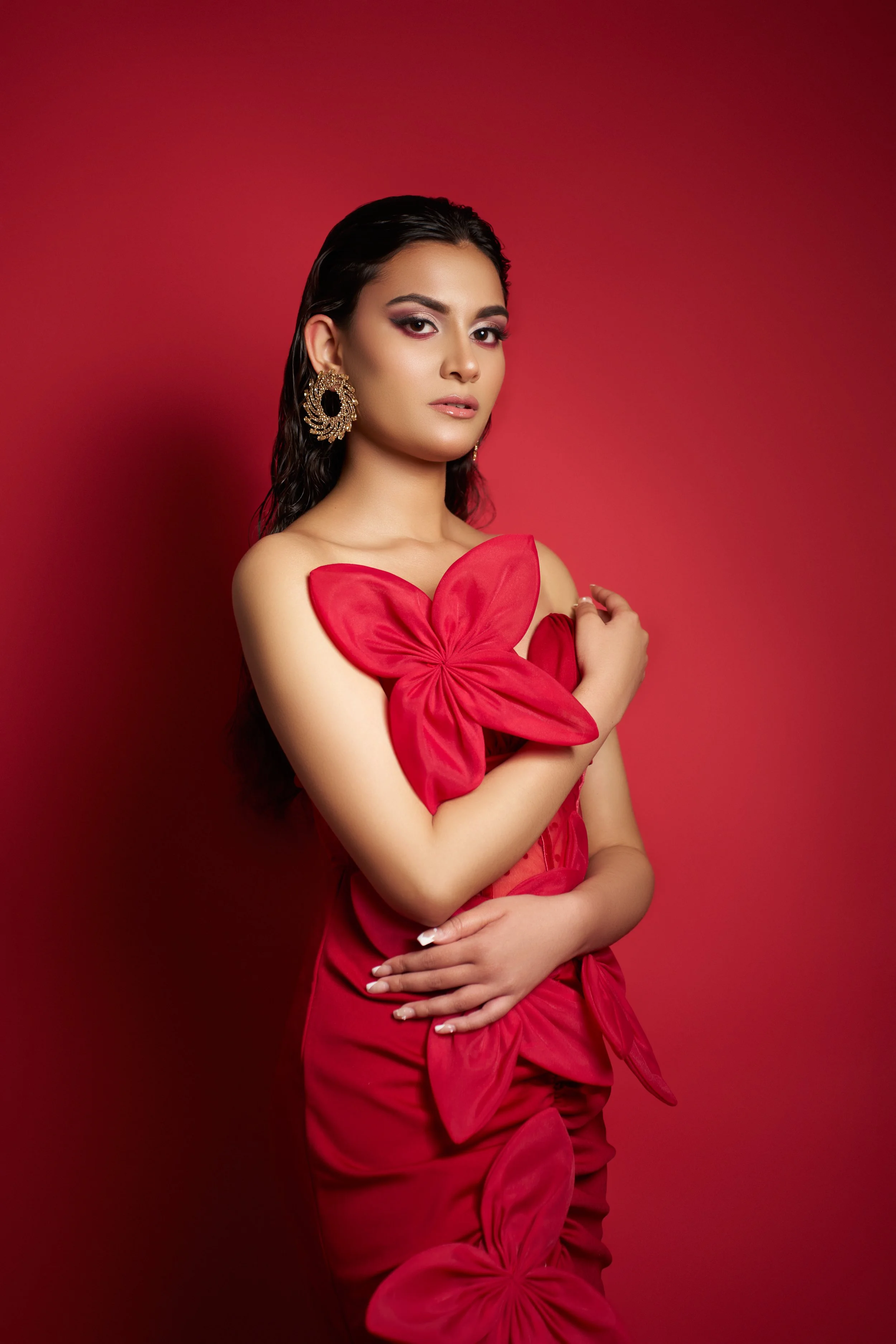
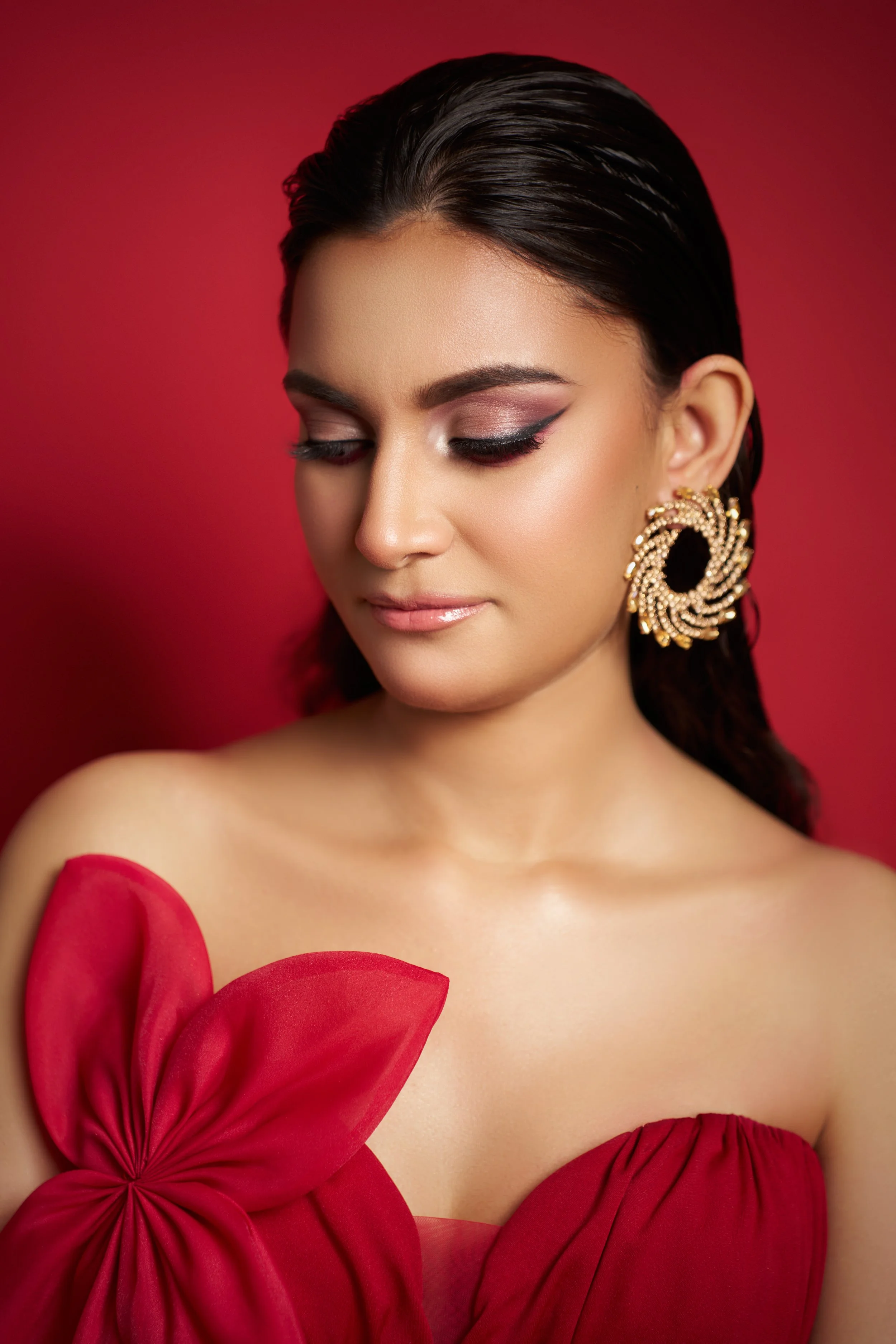
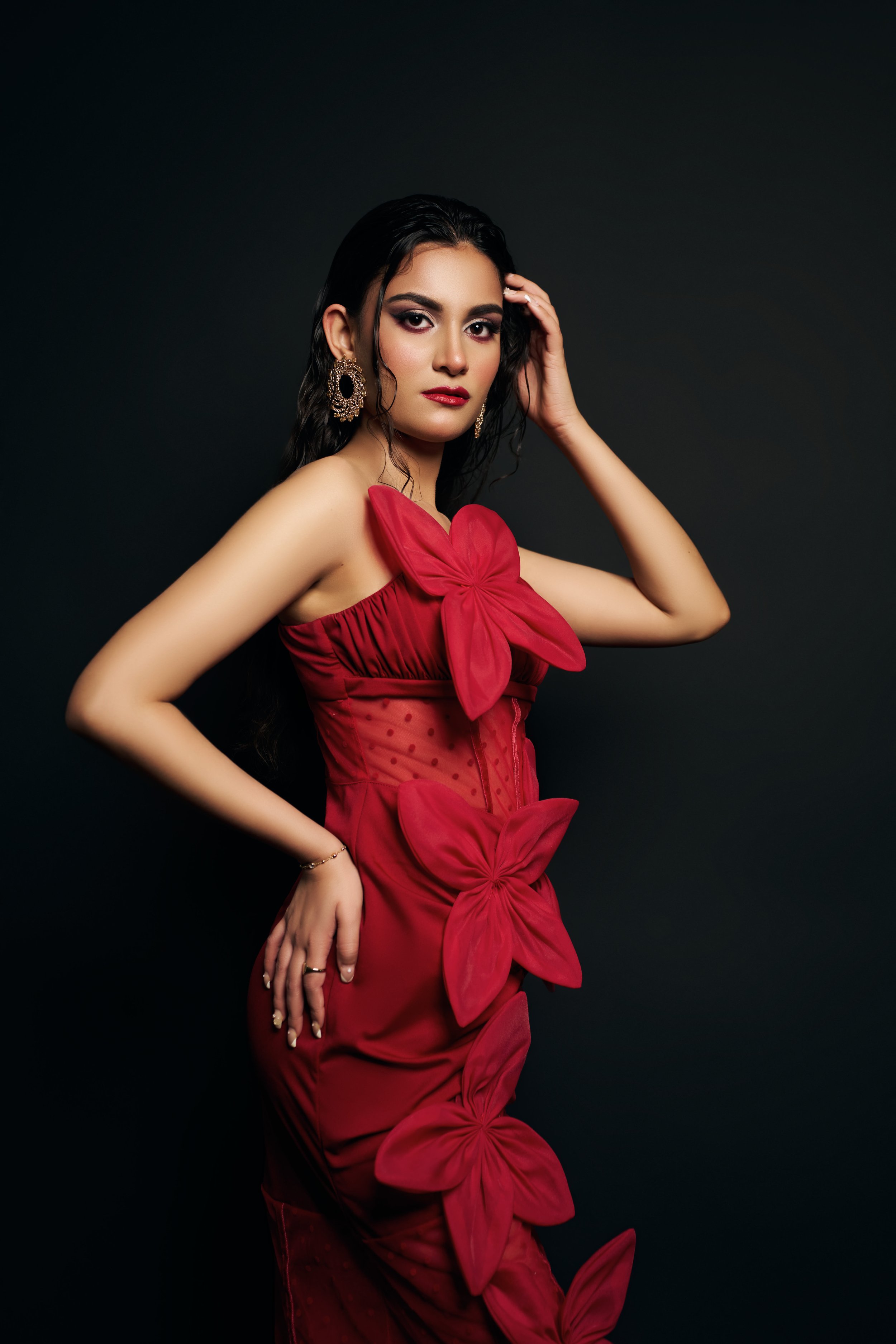
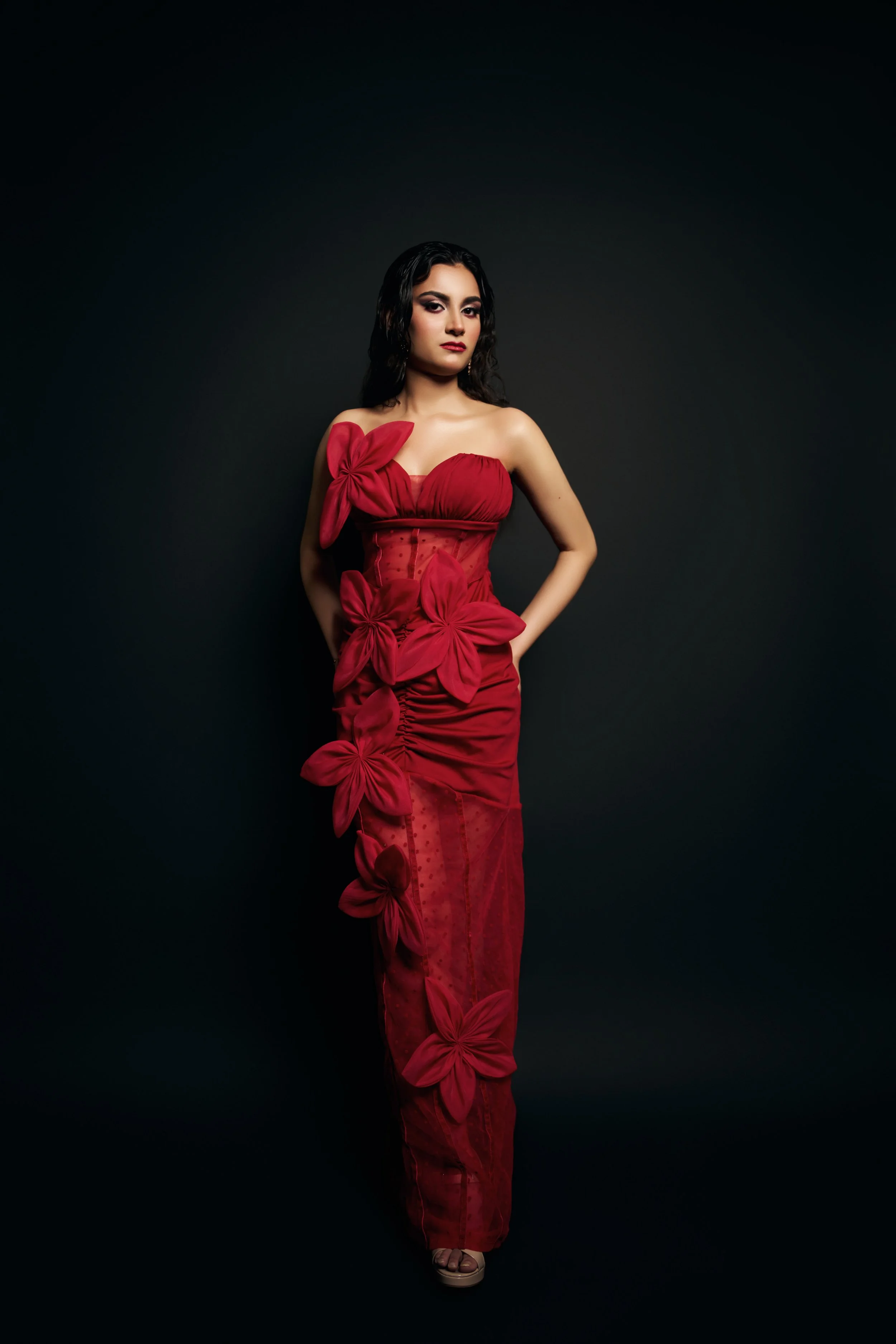
What Is a Visual Narrative?
A visual narrative is a story told primarily through imagery rather than words.
In fashion photography, a visual narrative uses elements such as:
Photography
Styling
Locations
Lighting
Color palettes
Models
Composition
Creative direction
to communicate a specific message or emotional experience.
Rather than showing individual products in isolation, visual narratives place them within a larger context.
They answer questions such as:
Who is this collection for?
What does this brand represent?
What emotions should the audience feel?
What lifestyle does the campaign reflect?
Strong narratives help audiences understand not just what a brand sells, but why it matters.
Consumers Connect With Stories More Than Products
Human beings are naturally drawn to stories.
Long before advertising existed, storytelling was one of the primary ways people shared information, values, and experiences.
Today, that psychological preference remains unchanged.
Consumers are more likely to remember:
Stories
Characters
Emotions
Experiences
than product specifications.
A beautiful dress may capture attention, but a compelling story surrounding that dress creates emotional resonance.
Fashion campaigns that rely solely on product presentation often struggle to leave lasting impressions because they fail to provide meaningful context.
Fashion Is an Emotional Industry
Most fashion purchases are driven by emotion rather than necessity.
Consumers buy fashion because they want to feel:
Confident
Stylish
Unique
Sophisticated
Empowered
Creative
Visual narratives help communicate these emotions.
Rather than telling consumers how they should feel, strong campaigns allow them to experience those emotions through imagery.
This emotional engagement creates stronger connections between audiences and brands.
The more emotionally invested consumers become, the more likely they are to engage, purchase, and remain loyal.
Visual Narratives Differentiate Brands
Fashion is one of the most competitive industries in the world.
New collections launch constantly, trends move rapidly, and consumers have more choices than ever before.
In this environment, products alone rarely create differentiation.
Visual narratives help brands stand out by communicating:
Unique perspectives
Distinct identities
Cultural relevance
Creative vision
While competitors may produce similar products, a brand's story is much harder to replicate.
Strong narratives become part of what makes a brand recognizable and memorable.
Campaigns Become More Memorable
Think about the fashion campaigns that remain in public consciousness long after their release.
People often remember:
The mood
The atmosphere
The story
The emotion
more than specific garments.
This is because narratives create meaning.
When imagery is connected through a cohesive story, audiences are more likely to remember the campaign and associate positive emotions with the brand.
A narrative gives consumers something to engage with beyond the product itself.
Storytelling Builds Brand Identity
Fashion campaigns play a significant role in shaping how consumers perceive a brand.
Every visual decision contributes to brand identity.
Through strong narratives, brands can communicate:
Values
Personality
Creative direction
Heritage
Lifestyle positioning
For example:
A luxury brand may tell stories centered on elegance and exclusivity.
A sustainable fashion company may focus on environmental responsibility and conscious living.
A streetwear label may emphasize culture, individuality, and self-expression.
Visual narratives help ensure these messages are communicated consistently.
Social Media Rewards Narrative-Driven Content
Social media has fundamentally changed how fashion campaigns are consumed.
Consumers now encounter fashion content across:
Instagram
TikTok
Pinterest
YouTube
Brand websites
Platforms reward content that creates engagement, and storytelling is one of the most effective ways to achieve this.
Narrative-driven campaigns often generate:
More shares
Higher engagement
Stronger audience retention
Better brand recall
People are more likely to interact with content that makes them feel something.
Visual storytelling creates those emotional responses.
Photography Becomes More Powerful With Context
Fashion photography is most effective when it serves a larger purpose.
Without narrative context, even technically excellent photographs can feel disconnected.
Visual narratives help transform individual images into parts of a larger experience.
They give meaning to:
Locations
Styling choices
Color palettes
Model expressions
Creative concepts
Every visual element works together to support the story.
This creates a richer and more immersive experience for audiences.
At Parish Mandhan Productions, we approach fashion photography as storytelling because context often determines how consumers interpret and remember visual content.
Strong Narratives Increase Perceived Value
Luxury fashion brands have long understood the relationship between storytelling and perceived value.
Consumers often associate narrative-rich campaigns with:
Sophistication
Creativity
Exclusivity
Premium quality
When products are presented within compelling stories, they often feel more desirable and valuable.
Storytelling helps elevate fashion beyond functionality and into the realm of aspiration.
This increased perceived value can strengthen brand positioning and support premium pricing strategies.
Visual Narratives Create Cultural Relevance
Fashion does not exist in isolation.
It reflects broader cultural conversations around identity, creativity, community, and self-expression.
Strong visual narratives help brands participate in these conversations.
Campaigns that engage with cultural themes often feel:
More relevant
More authentic
More meaningful
Consumers increasingly support brands that demonstrate awareness of the world around them.
Narrative-driven campaigns provide opportunities to communicate these perspectives.
Authenticity Strengthens Storytelling
Modern consumers value authenticity.
As a result, many fashion brands are moving away from highly staged concepts and embracing more genuine storytelling approaches.
Authentic visual narratives often include:
Real environments
Natural interactions
Documentary-style photography
Human-centered stories
Authenticity helps campaigns feel more relatable while maintaining emotional impact.
The strongest narratives balance creative vision with genuine human experiences.
AI Makes Human Stories More Valuable
As AI-generated content becomes increasingly common, authentic storytelling is becoming even more important.
Consumers continue to seek:
Real emotion
Human creativity
Genuine experiences
Original perspectives
Fashion campaigns built around meaningful narratives stand out because they offer something algorithms cannot easily replicate.
Human stories remain one of the most powerful differentiators available to brands.
Why Professional Creative Direction Matters
Building a strong visual narrative requires more than beautiful photography.
It involves:
Strategic planning
Concept development
Styling
Location selection
Art direction
Storytelling expertise
Every creative decision must support the overall narrative.
Professional production teams help ensure that campaigns remain cohesive and aligned with brand objectives.
The strongest narratives are carefully crafted rather than left to chance.
Final Thoughts
Fashion campaigns need strong visual narratives because consumers are looking for more than products. They want stories that inspire them, emotions they can connect with, and brands that represent something meaningful.
Visual storytelling transforms fashion photography from product presentation into an immersive experience. It helps brands differentiate themselves, strengthen identity, build emotional connections, and create lasting impressions in a crowded marketplace.
At Parish Mandhan Productions, we believe the most successful fashion campaigns are those that combine exceptional photography with compelling storytelling. Through thoughtful creative direction, cinematic visuals, and meaningful narratives, brands can create campaigns that resonate far beyond the moment they are seen.
Because in modern fashion marketing, products may attract attention—but stories are what people remember.