
The Difference Between Luxury and Standard Product Photography
Every product deserves professional photography, but not every product requires the same visual approach. A mass-market skincare product and a luxury fragrance may both be photographed beautifully, yet the creative process behind each is vastly different. The distinction lies in more than just camera equipment or editing techniques, it lies in the strategy behind the images.
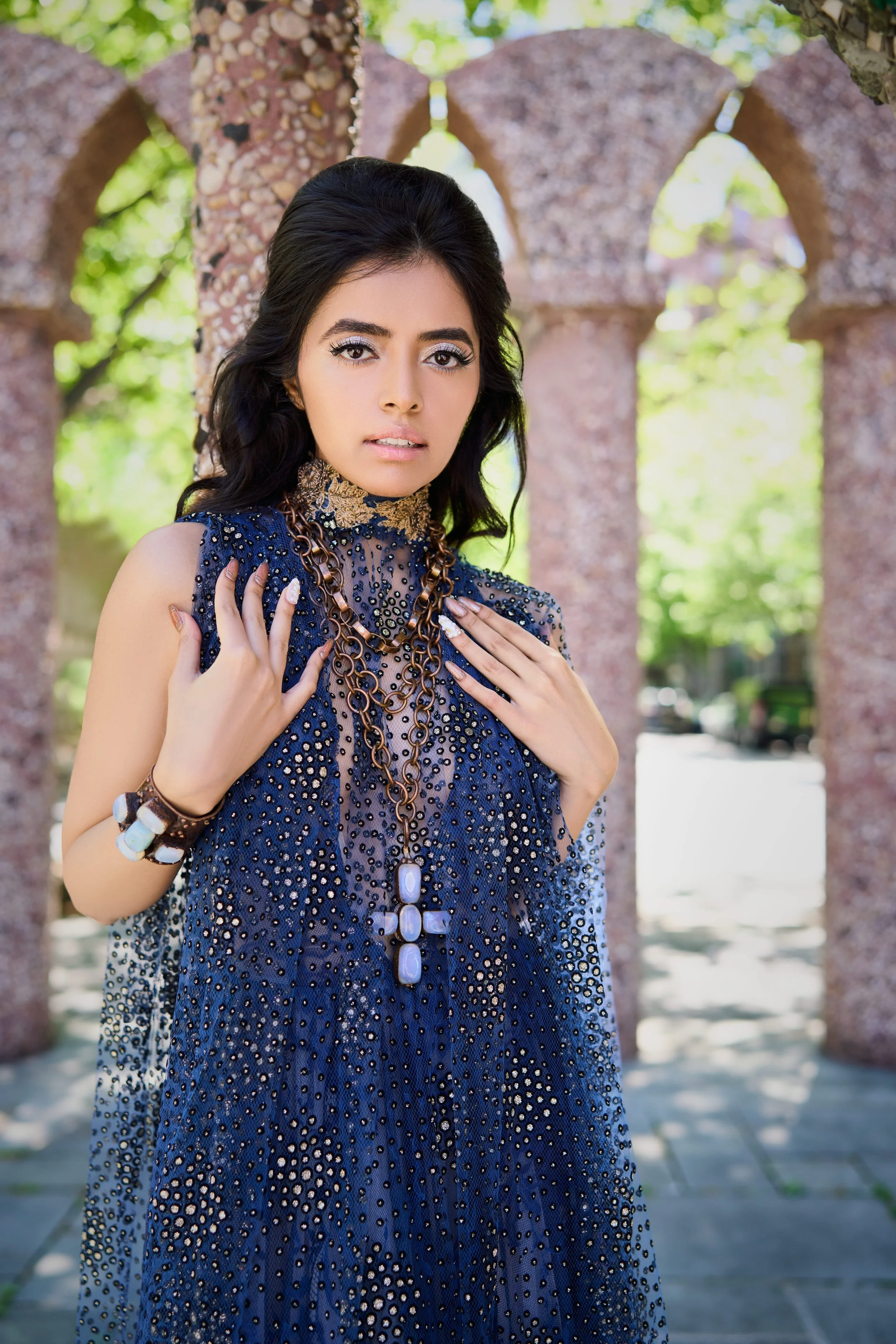
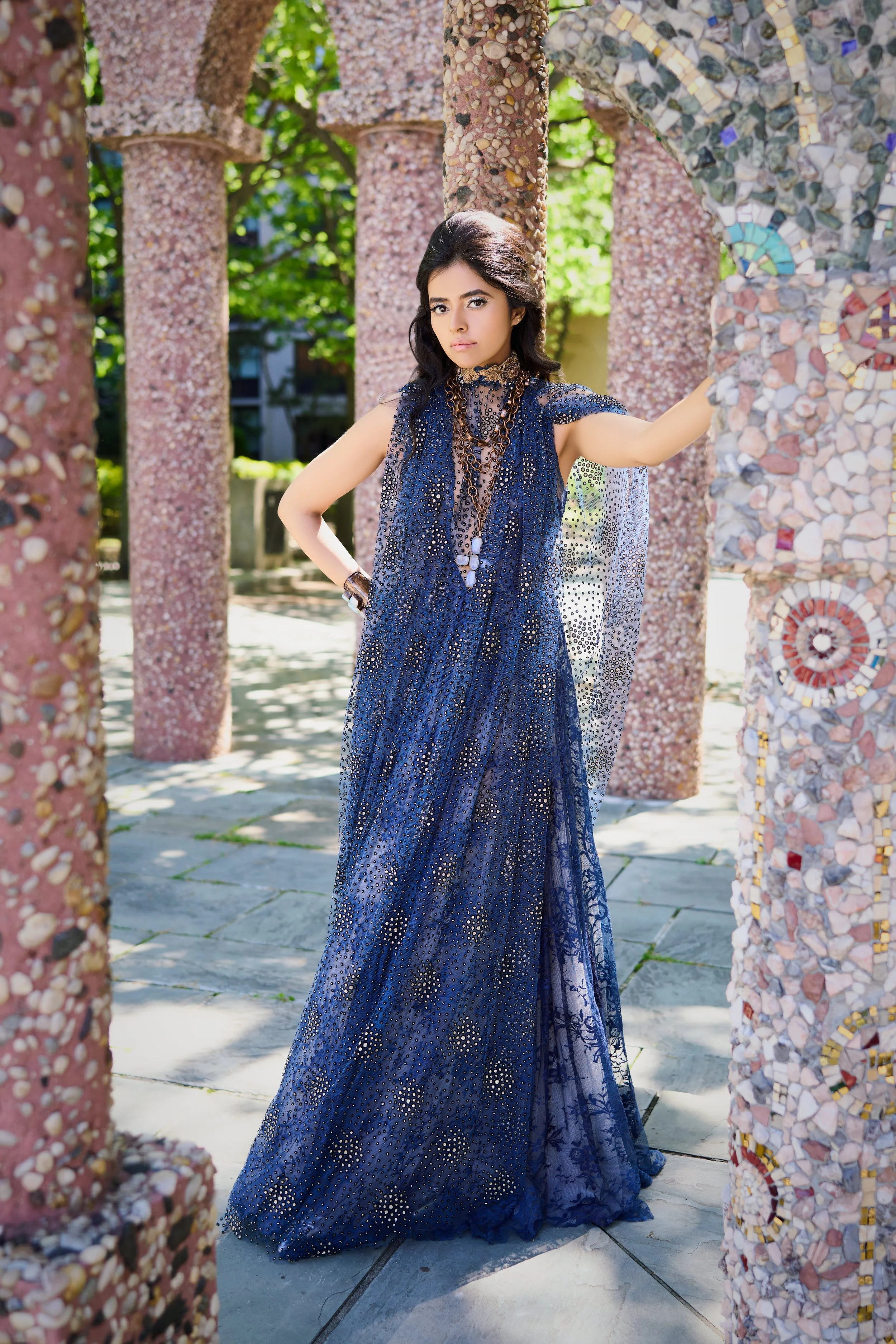
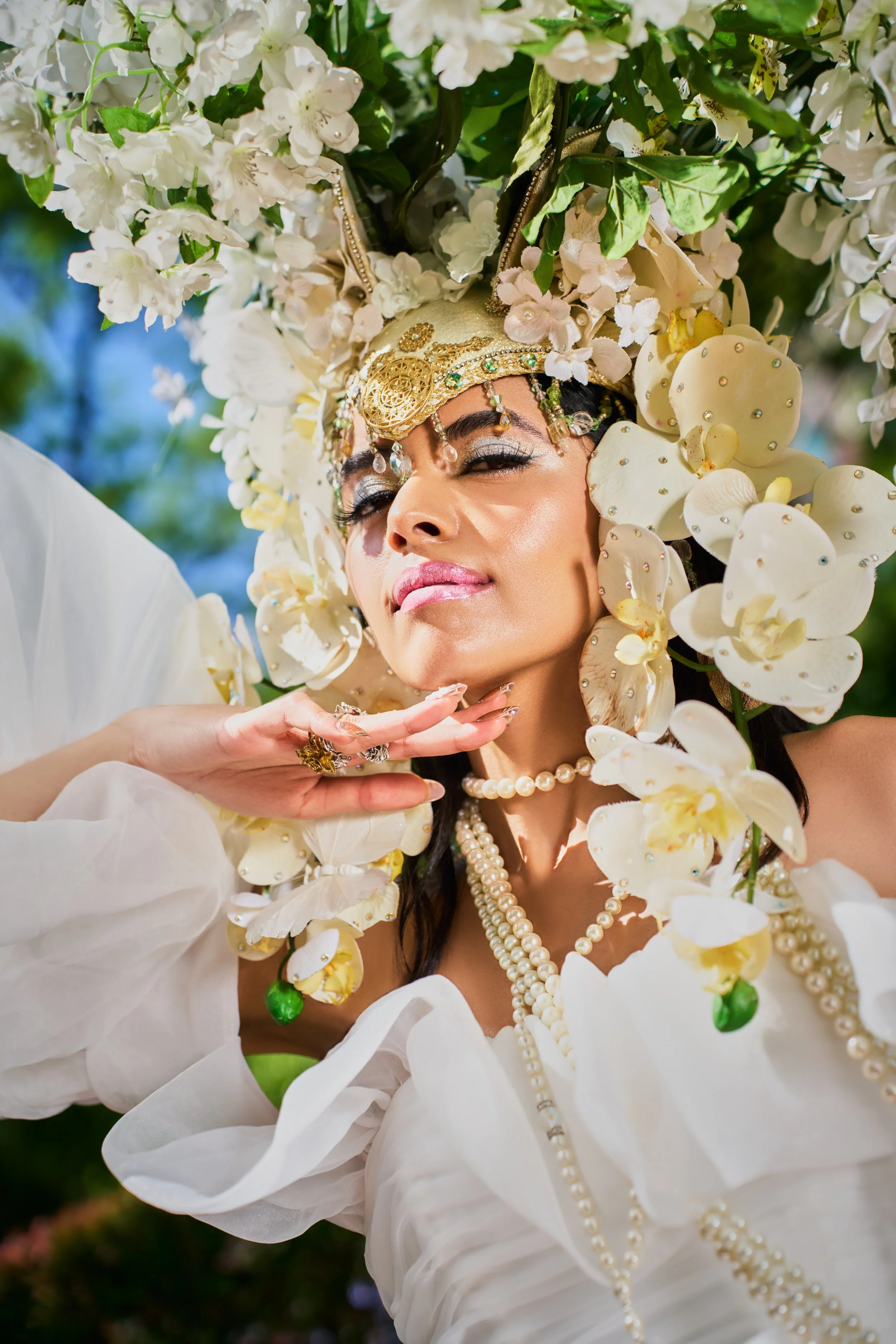
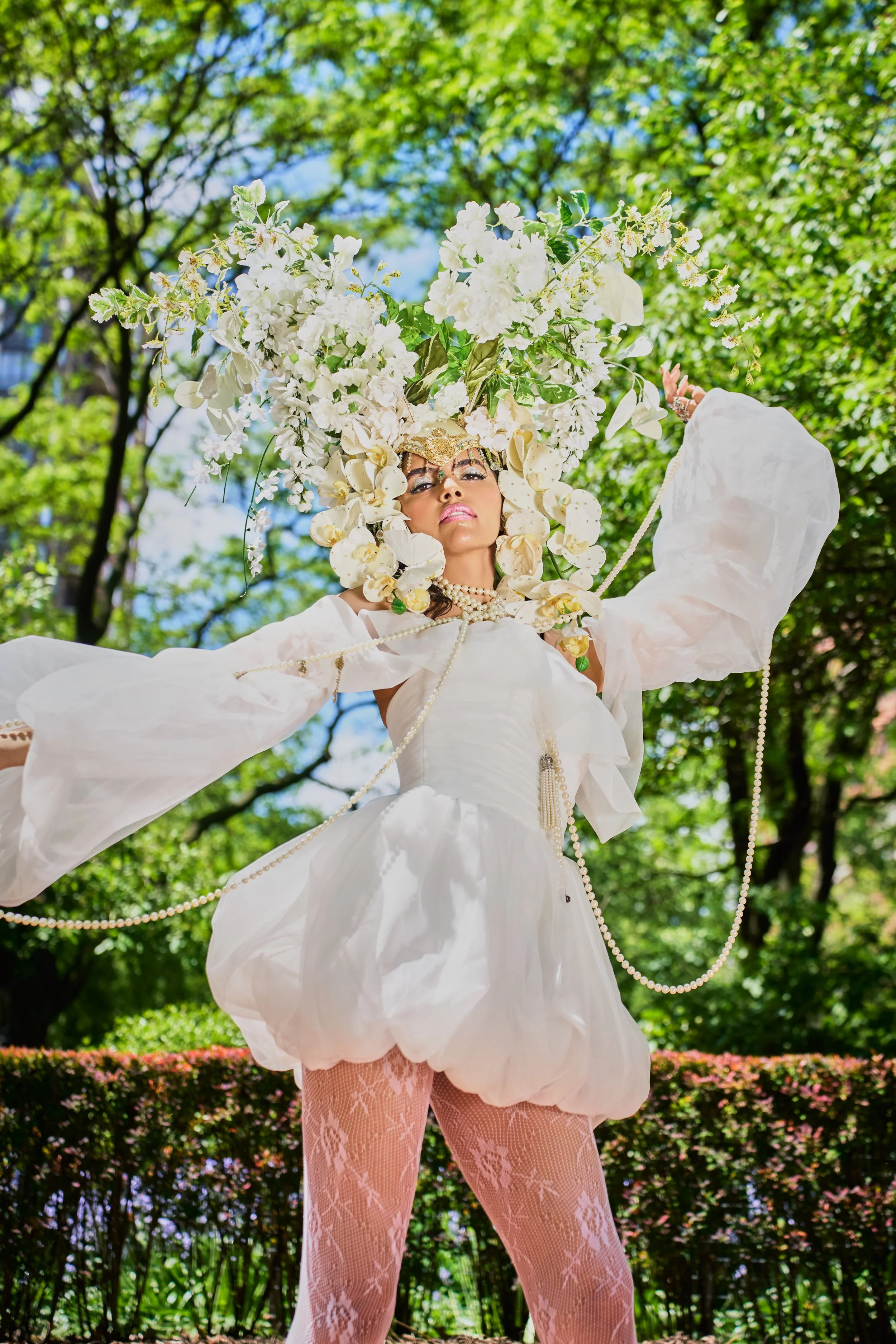
Luxury product photography is designed to create aspiration, exclusivity, and emotional connection. Standard product photography, on the other hand, focuses primarily on accurately presenting a product for informational and commercial purposes. Both have their place in marketing, but they serve different objectives.
For beauty, fashion, and premium lifestyle brands, understanding this difference is essential. At Parish Mandhan Productions, we believe that photography should reflect not only the product itself but also the value, personality, and positioning of the brand behind it.
What Is Standard Product Photography?
Standard product photography is primarily created to provide consumers with a clear and accurate representation of a product.
Its main purpose is to answer practical questions such as:
What does the product look like?
What size is it?
What color is it?
What features does it have?
How is it packaged?
These images are commonly used for:
E-commerce websites
Online marketplaces
Product catalogs
Retail listings
Inventory management
The emphasis is on clarity and consistency rather than emotional storytelling.
A standard product photograph helps customers make informed purchasing decisions by presenting the product exactly as it appears.
What Is Luxury Product Photography?
Luxury product photography goes beyond documentation.
Its purpose is to create desire.
Rather than simply showing a product, luxury photography communicates:
Exclusivity
Sophistication
Craftsmanship
Prestige
Brand identity
Emotional value
Every creative decision is made with the intention of elevating how consumers perceive the product.
Luxury photography is commonly used for:
Brand campaigns
Editorial features
Luxury advertising
Social media
Premium websites
High-end print publications
The goal is not only to showcase the product but also to make consumers aspire to own it.
Purpose: Information vs Emotion
The biggest difference between standard and luxury product photography is their purpose.
Standard photography focuses on information.
It helps customers clearly understand what they are purchasing.
Luxury photography focuses on emotion.
It creates feelings such as:
Desire
Elegance
Aspiration
Exclusivity
Confidence
Luxury consumers often purchase based on emotional connection rather than functionality alone.
Photography becomes a tool for influencing perception rather than simply presenting facts.
Lighting Techniques
Lighting is one of the clearest distinctions between the two styles.
Standard Product Photography
Lighting is designed to:
Eliminate shadows
Ensure color accuracy
Show product details clearly
Maintain consistency across product lines
The objective is technical accuracy.
Luxury Product Photography
Lighting becomes part of the storytelling process.
Photographers carefully shape light to create:
Mood
Atmosphere
Depth
Drama
Texture
Luxury lighting enhances reflective surfaces, premium materials, and sophisticated packaging while creating a more cinematic visual experience.
The lighting itself communicates quality.
Composition and Styling
Standard product photography usually keeps compositions simple.
Products are centered against clean backgrounds with minimal distractions.
Luxury photography introduces styling that enhances the brand story.
Creative elements may include:
Premium surfaces
Designer props
Natural textures
Flowers
Glass
Marble
Fabric
Water
Smoke
Shadows
Every element supports the product while reinforcing the brand's visual identity.
The product remains the hero, but the environment adds emotion and context.
Backgrounds Create Different Experiences
Background selection plays an important role in defining the image.
Standard photography often uses:
White backgrounds
Neutral colors
Transparent backgrounds
Simple studio setups
Luxury photography frequently incorporates:
Rich textures
Architectural elements
Elegant interiors
Nature-inspired environments
Minimalist luxury settings
The background contributes to storytelling rather than simply isolating the product.
It becomes part of the overall brand experience.
Storytelling vs Documentation
Luxury brands rarely rely on standalone product images alone.
Instead, photography tells stories about:
Lifestyle
Heritage
Craftsmanship
Self-care
Confidence
Elegance
Consumers do not simply see a perfume bottle—they imagine wearing it to a sophisticated evening event.
They do not simply see a skincare product—they imagine radiant skin and a luxurious self-care ritual.
Storytelling transforms products into experiences.
Standard product photography typically avoids narrative elements because its objective is documentation.
Attention to Detail
Luxury photography demands extraordinary attention to detail.
Photographers carefully manage:
Reflections
Shadows
Dust removal
Packaging alignment
Surface textures
Color consistency
Every tiny imperfection is addressed because luxury consumers expect perfection.
The final image should communicate meticulous craftsmanship.
This level of precision reinforces the premium positioning of the product.
Retouching Philosophy
Both standard and luxury photography involve retouching, but the approach differs.
Standard retouching focuses on:
Color correction
Background cleanup
Product accuracy
Removing minor imperfections
Luxury retouching focuses on:
Enhancing premium finishes
Refining lighting
Preserving realistic textures
Maintaining elegance
Creating visual harmony
Modern luxury brands increasingly avoid excessive editing.
Consumers appreciate authenticity, especially in beauty and skincare campaigns.
The goal is polished realism rather than artificial perfection.
Emotional Impact
Luxury photography aims to make consumers feel something.
It evokes emotions such as:
Aspiration
Confidence
Calm
Sophistication
Prestige
These emotions influence purchasing decisions because luxury buying is often driven by desire rather than necessity.
Standard product photography rarely aims for emotional engagement.
Its success is measured by clarity rather than emotional response.
Brand Identity
Luxury photography plays a significant role in building brand identity.
Every image reinforces:
Brand personality
Creative direction
Values
Positioning
Visual consistency
Over time, these visuals become recognizable and memorable.
Consumers begin associating a specific photographic style with the brand itself.
Standard product photography generally prioritizes consistency across product listings rather than developing a distinctive visual identity.
Luxury Photography Supports Premium Pricing
Presentation influences perceived value.
Consumers often judge products based on how they are presented visually.
Luxury photography helps justify premium pricing by making products appear:
Exclusive
High-quality
Sophisticated
Worth the investment
Exceptional imagery reinforces the belief that exceptional products deserve higher prices.
Photography becomes part of the luxury experience.
Social Media Has Increased Expectations
Today's consumers encounter premium visuals every day on platforms like Instagram, Pinterest, and TikTok.
This has raised expectations across all industries.
Luxury brands now require photography that performs across multiple formats while maintaining consistent quality.
Campaign images, lifestyle content, behind-the-scenes visuals, and product photography all work together to create a cohesive brand experience.
Standard pack shots remain important for e-commerce, but they are no longer enough to build a premium brand online.
Which Style Does Your Brand Need?
The answer depends on your goals.
If your objective is simply to display products clearly on an online store, standard product photography may be sufficient.
However, if your goal is to:
Build a luxury brand
Increase perceived value
Strengthen customer trust
Stand out on social media
Create memorable advertising
Tell compelling stories
then luxury product photography becomes an essential investment.
Many successful brands use both approaches, standard photography for product listings and luxury photography for branding and marketing campaigns.
Final Thoughts
Luxury and standard product photography serve different purposes, but both play important roles in modern marketing. Standard photography provides clarity and consistency, helping customers understand exactly what they are buying. Luxury photography goes a step further by creating emotion, aspiration, and a premium brand experience that influences perception and purchasing decisions.
For beauty, fashion, and lifestyle brands looking to stand out in competitive markets, investing in luxury photography is about more than creating attractive images. It is about shaping how consumers perceive your brand and building lasting emotional connections.
At Parish Mandhan Productions, we specialize in creating premium photography that combines technical excellence with cinematic storytelling. By capturing products with creativity, precision, and purpose, we help brands elevate their visual identity and communicate the quality behind every product.
Because in the luxury market, consumers are not just buying a product, they are buying the experience that the photography promises.