
How to Photograph Beauty Products That Sell
In the beauty industry, first impressions are almost always visual. Before a customer reads about ingredients, watches a tutorial, or checks reviews, they see a photograph. That single image often determines whether they continue exploring the product or move on to a competitor.
Whether it's a luxury skincare serum, a vibrant lipstick, a fragrance bottle, or a haircare collection, great photography has the power to influence perception, build trust, and drive sales. In today's competitive digital marketplace, photographing beauty products is about much more than creating attractive images—it's about creating images that persuade consumers to buy.
At Parish Mandhan Productions, we believe that successful beauty photography combines technical precision with strategic storytelling. Every lighting decision, styling choice, and composition should support the brand while encouraging consumers to imagine the product in their own lives.
Here are the essential techniques for photographing beauty products that not only look beautiful but also help sell.
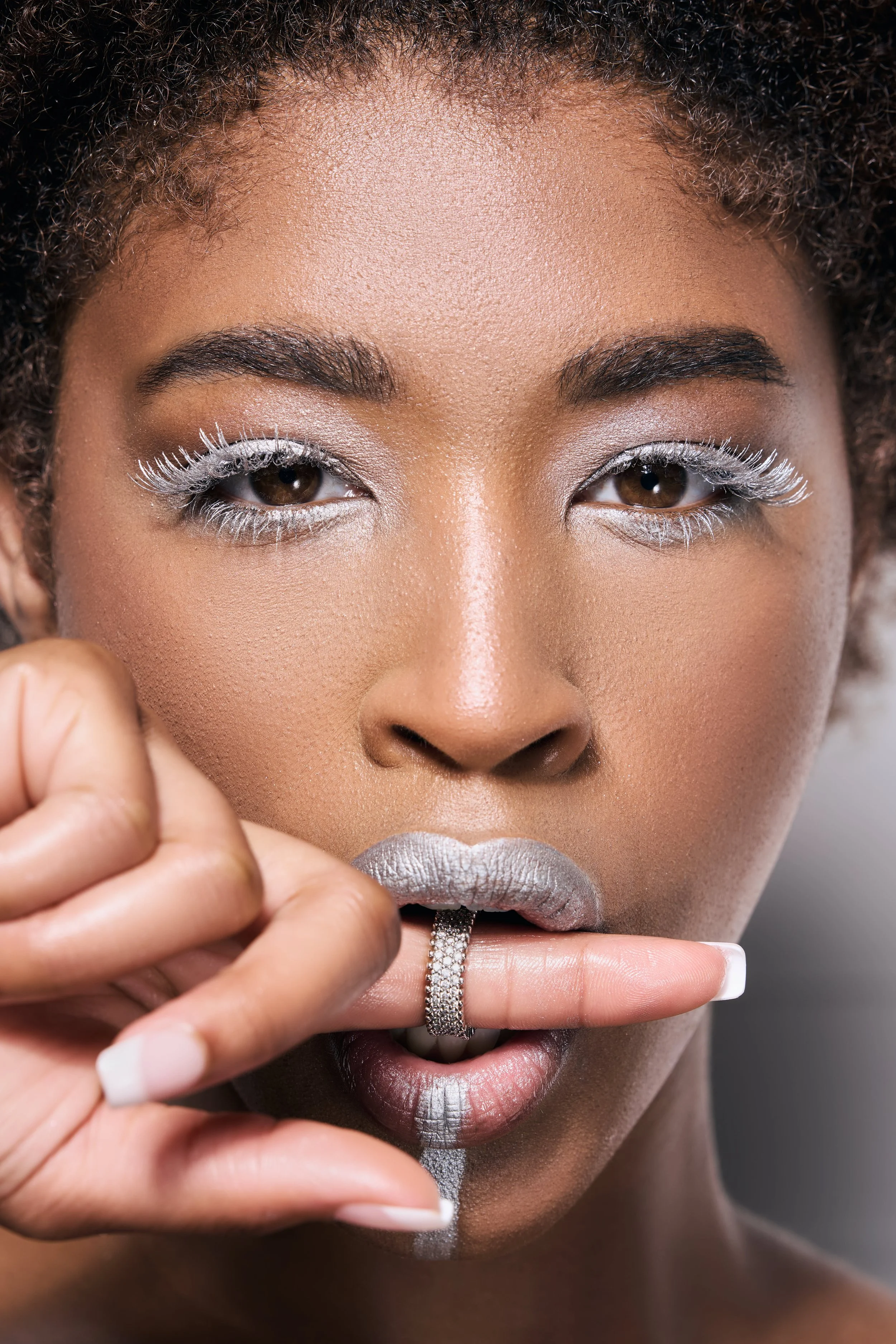
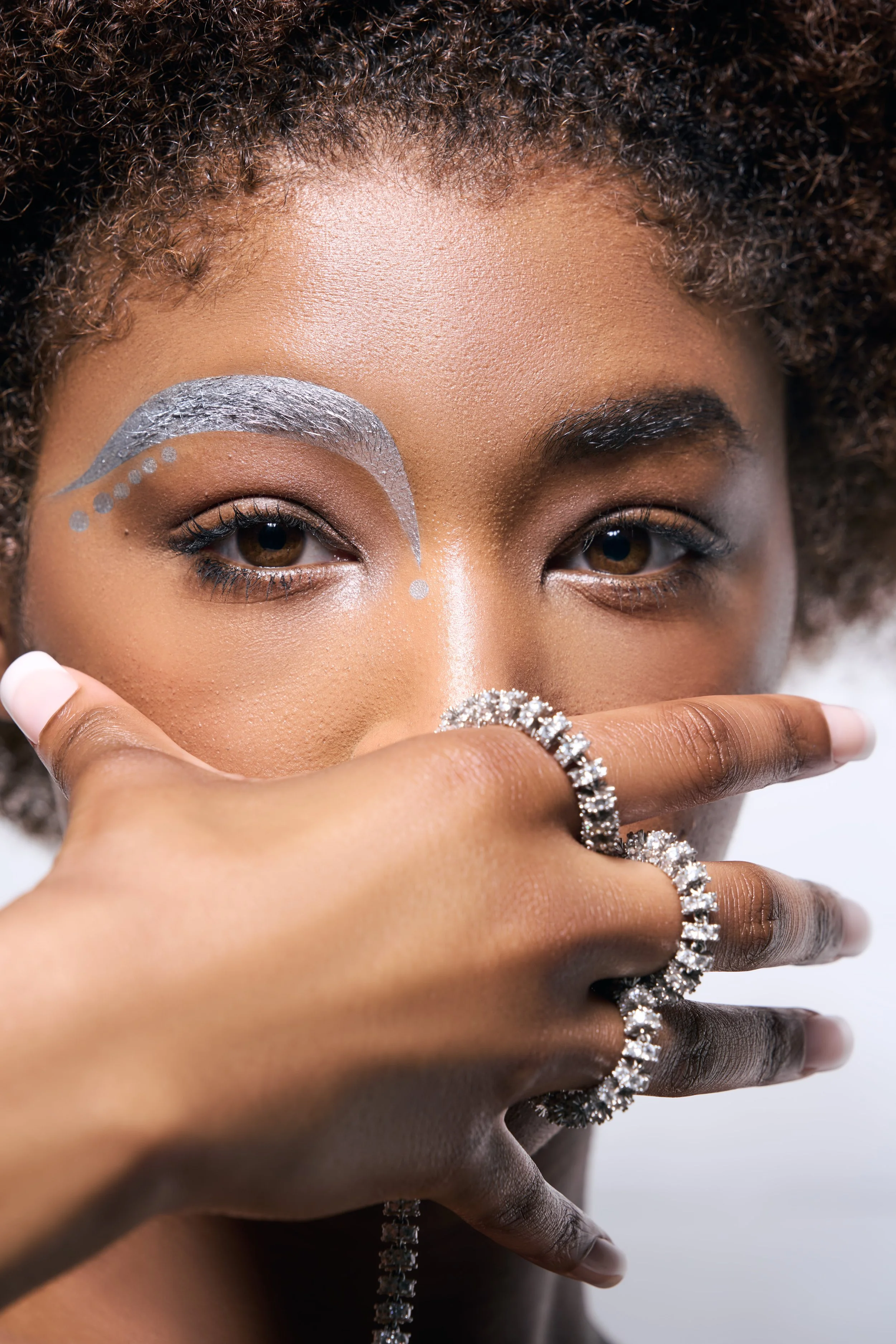
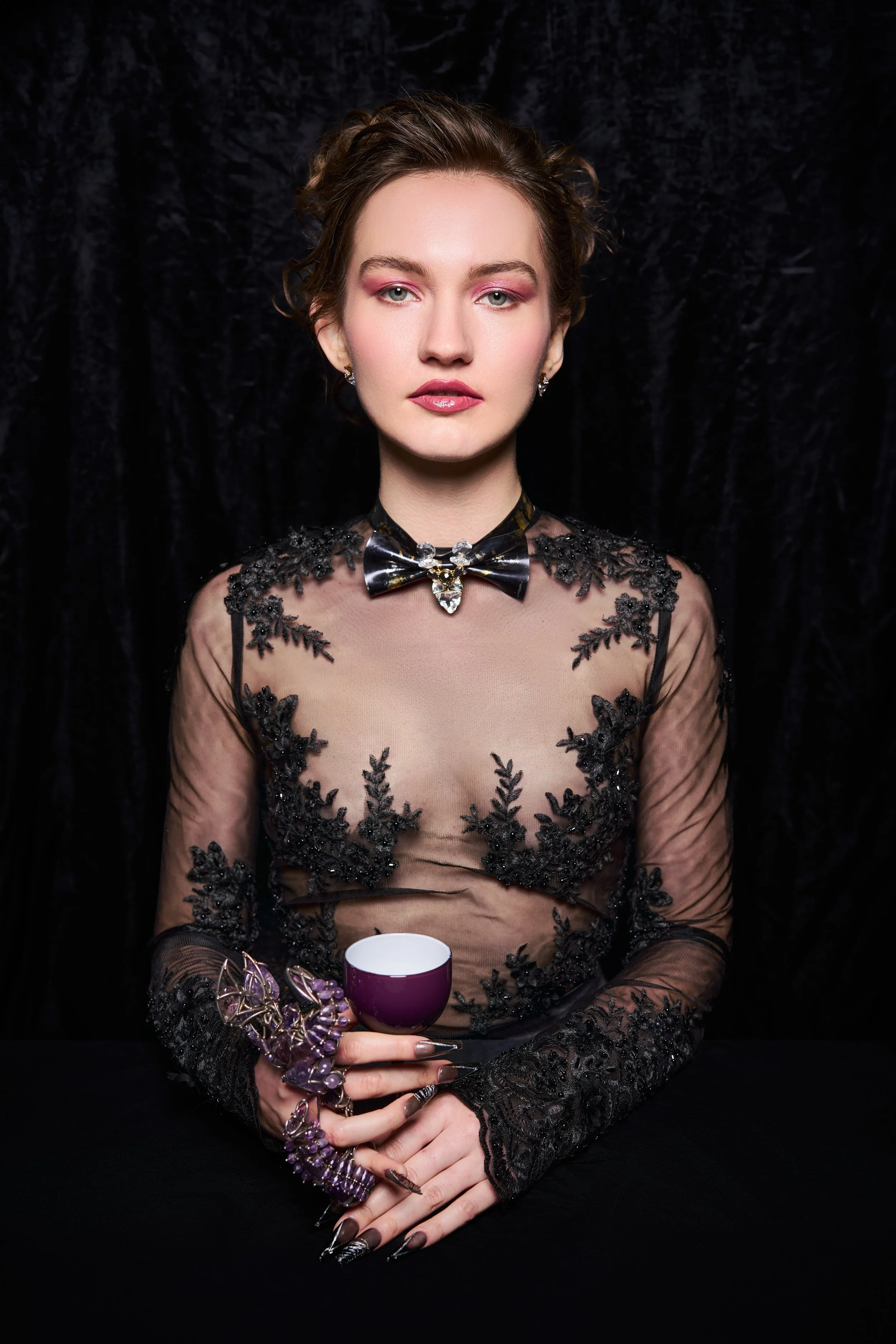
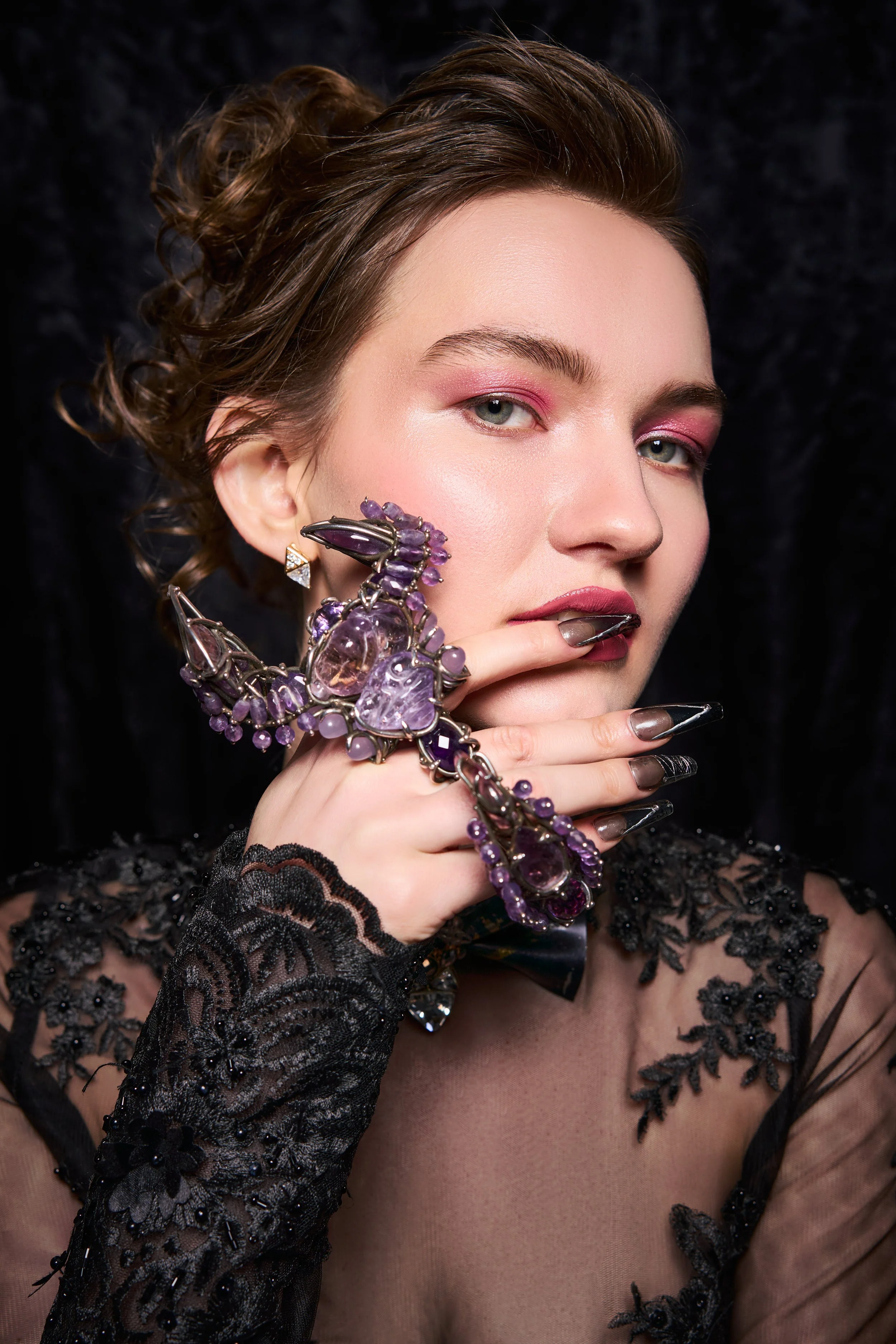
Understand Your Brand Before You Pick Up the Camera
Every beauty brand has its own identity.
Before planning a photoshoot, ask questions such as:
Is the brand positioned as luxury or affordable?
Is the product designed for skincare, makeup, wellness, or haircare?
What emotions should the images communicate?
Who is the target audience?
Where will the photographs be used?
A luxury skincare campaign will require a very different visual style than a colorful cosmetics launch aimed at Gen Z consumers.
Successful beauty photography begins with understanding the brand's story.
Invest in Professional Lighting
Lighting is one of the most important elements in beauty photography.
It influences how consumers perceive:
Skin texture
Product packaging
Colors
Materials
Overall quality
Soft, diffused lighting is often preferred because it creates clean highlights and smooth transitions without harsh shadows.
Professional lighting helps products appear:
Premium
Clean
Luxurious
Trustworthy
Even the highest-quality products can appear ordinary under poor lighting.
The right lighting enhances every aspect of the image.
Showcase the Packaging
Beauty packaging is part of the customer experience.
Luxury brands spend significant resources designing bottles, jars, tubes, and boxes because packaging communicates quality and brand identity.
Photography should highlight details such as:
Materials
Finishes
Logos
Labels
Shapes
Textures
Consumers often associate elegant packaging with premium product quality.
Every detail should be presented clearly while maintaining a sophisticated aesthetic.
Highlight Texture and Ingredients
Beauty shoppers want to know what they're buying.
They want to see:
Cream consistency
Serum texture
Foundation finish
Lipstick pigmentation
Powder quality
Macro photography and close-up shots help communicate these details.
If a product contains premium ingredients, consider incorporating them into the composition.
Examples include:
Botanical elements
Natural oils
Flowers
Citrus fruits
Herbs
Minerals
These additions help reinforce product benefits while creating visually engaging images.
Create Clean, Thoughtful Compositions
Beauty photography benefits from simplicity.
Every element within the frame should have a purpose.
Avoid clutter that distracts from the product.
Instead, focus on:
Balanced compositions
Clean backgrounds
Intentional spacing
Visual harmony
The product should remain the hero of every image.
A clean composition directs the viewer's attention exactly where it belongs.
Use Color Strategically
Color plays a major role in influencing consumer perception.
Different color palettes communicate different brand personalities.
For example:
White suggests purity and skincare.
Black communicates luxury.
Gold conveys prestige.
Pastel colors feel soft and elegant.
Earth tones support natural and organic brands.
Bright colors create energy and excitement.
The chosen palette should align with the brand's identity and campaign objectives.
Consistent color choices strengthen recognition across all marketing channels.
Include Lifestyle Photography
While product photography is essential, lifestyle imagery helps consumers imagine using the product.
Lifestyle beauty photography may feature:
Morning skincare routines
Makeup application
Wellness rituals
Bathroom settings
Vanity displays
Everyday moments
These images provide context and create emotional connections.
Consumers are more likely to purchase products they can visualize as part of their own routines.
Lifestyle content complements traditional product photography and makes campaigns more engaging.
Show Products in Use
Static product images provide information, but application photography demonstrates experience.
Consumers appreciate seeing:
Lipstick on lips
Foundation on different skin tones
Skincare being applied
Haircare products in use
Makeup textures during application
These visuals reduce uncertainty by helping customers understand how products perform.
Showing products in action makes them feel more real, relatable, and trustworthy.
Prioritize Authenticity
Modern beauty consumers value authenticity more than unrealistic perfection.
While professional retouching remains important, today's audiences appreciate images that retain:
Natural skin texture
Genuine expressions
Realistic finishes
Authentic beauty
Over-editing can reduce credibility.
Successful beauty photography balances polish with realism.
Consumers are more likely to trust brands that present beauty honestly.
Tell a Story Through Every Image
The best beauty photography goes beyond showcasing products—it tells a story.
Consider the emotions you want the audience to experience.
Your visuals might communicate:
Confidence
Relaxation
Luxury
Self-care
Empowerment
Transformation
Every creative decision, from lighting to styling, should support that narrative.
Storytelling creates memorable campaigns and helps consumers connect emotionally with the brand.
At Parish Mandhan Productions, storytelling is at the heart of every beauty shoot because stories inspire action far more effectively than product images alone.
Optimize Images for Every Platform
Beauty content appears across multiple platforms, including:
E-commerce websites
Instagram
TikTok
Pinterest
Digital advertisements
Print campaigns
Each platform has different visual requirements.
Planning a shoot with multiple formats in mind allows brands to create:
Vertical content
Square images
Wide banners
Close-up product shots
Lifestyle visuals
Capturing a variety of compositions during production increases the long-term value of every photoshoot.
Maintain a Consistent Visual Style
Consistency strengthens brand identity.
Beauty brands should establish clear visual guidelines for:
Lighting
Color grading
Backgrounds
Styling
Composition
Editing
A recognizable visual identity helps consumers identify the brand instantly.
Consistency builds trust while creating a premium customer experience across every marketing channel.
Work With a Professional Creative Team
High-performing beauty photography is rarely created by one person alone.
Professional productions often involve:
Photographers
Creative directors
Makeup artists
Stylists
Product stylists
Retouchers
Each specialist contributes expertise that elevates the final result.
Investing in professional production helps ensure every image aligns with marketing goals while maintaining exceptional quality.
Measure Performance and Refine Your Approach
Great beauty photography should not only look impressive—it should deliver results.
Brands should monitor how images perform across:
Website conversion rates
Social media engagement
Click-through rates
Advertising campaigns
Product sales
Understanding which visuals resonate with audiences allows brands to refine future campaigns and improve return on investment.
Photography should evolve based on both creativity and performance insights.
Final Thoughts
Beauty photography has become one of the most influential factors in modern beauty marketing. It shapes first impressions, communicates quality, builds trust, and influences purchasing decisions long before consumers experience the product itself.
Photographing beauty products that sell requires more than technical skill. It requires an understanding of branding, storytelling, consumer psychology, and creative direction. From lighting and composition to authenticity and lifestyle imagery, every detail contributes to how a product is perceived.
At Parish Mandhan Productions, we believe that exceptional beauty photography should inspire confidence as much as it inspires sales. By combining strategic planning with premium visual execution, beauty brands can create images that capture attention, strengthen brand identity, and convert interest into action.
Because in today's beauty industry, a great product deserves photography that tells its story—and inspires customers to make it part of their own.