
Fashion Photography Trends Every Brand Should Watch
Fashion photography has always evolved alongside culture, technology, and consumer behavior. What worked a few years ago may no longer capture attention in today's fast-moving digital landscape. As audiences become more visually sophisticated and brands compete for attention across social media, websites, and advertising platforms, photography is no longer just about showcasing clothing, it is about creating experiences, telling stories, and building emotional connections.
For fashion brands, staying ahead of visual trends is essential. The right photography can strengthen brand identity, increase engagement, and help campaigns stand out in an increasingly crowded market.
At Parish Mandhan Productions, we continuously observe how fashion imagery is evolving and how successful brands are adapting their visual strategies. Here are the fashion photography trends every brand should watch in 2026 and beyond.
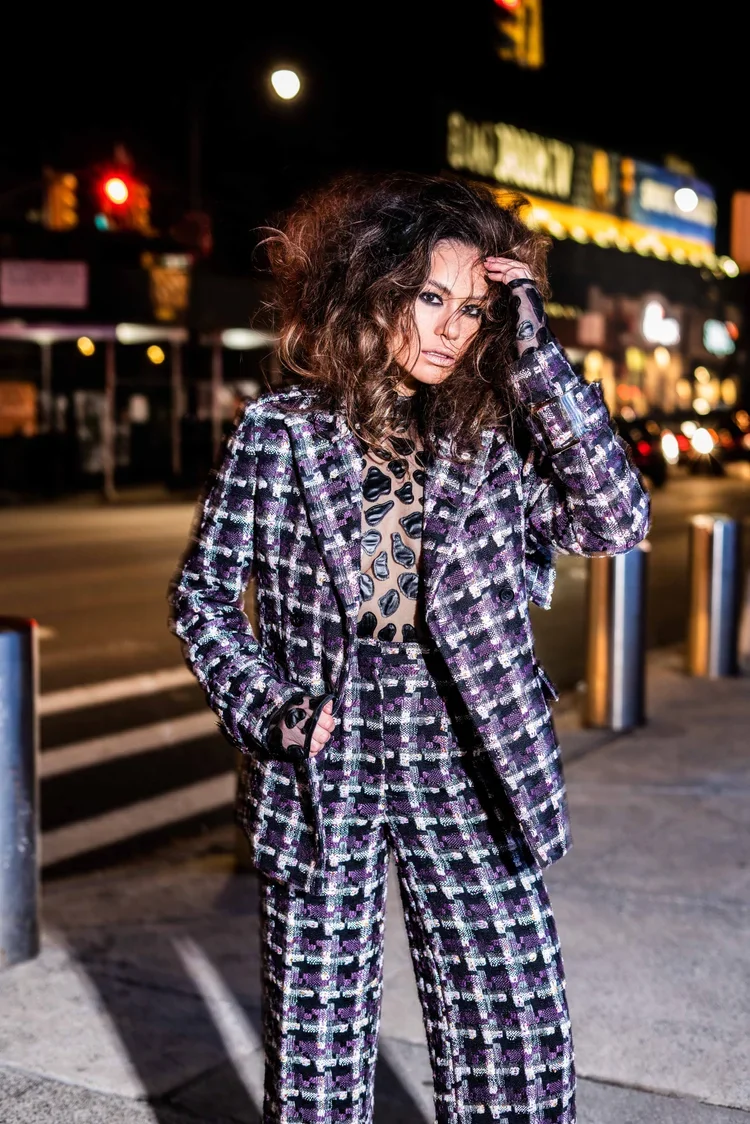
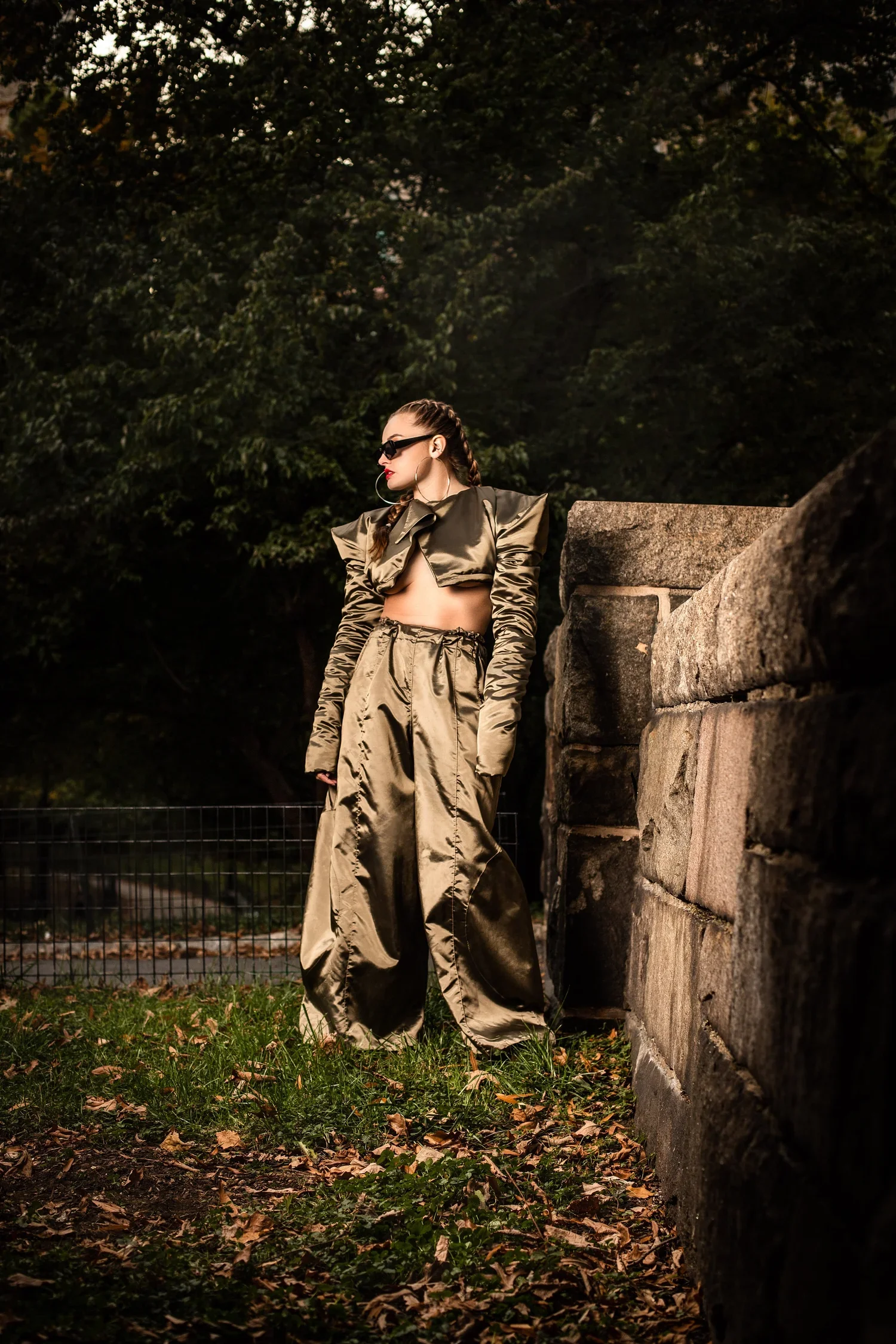
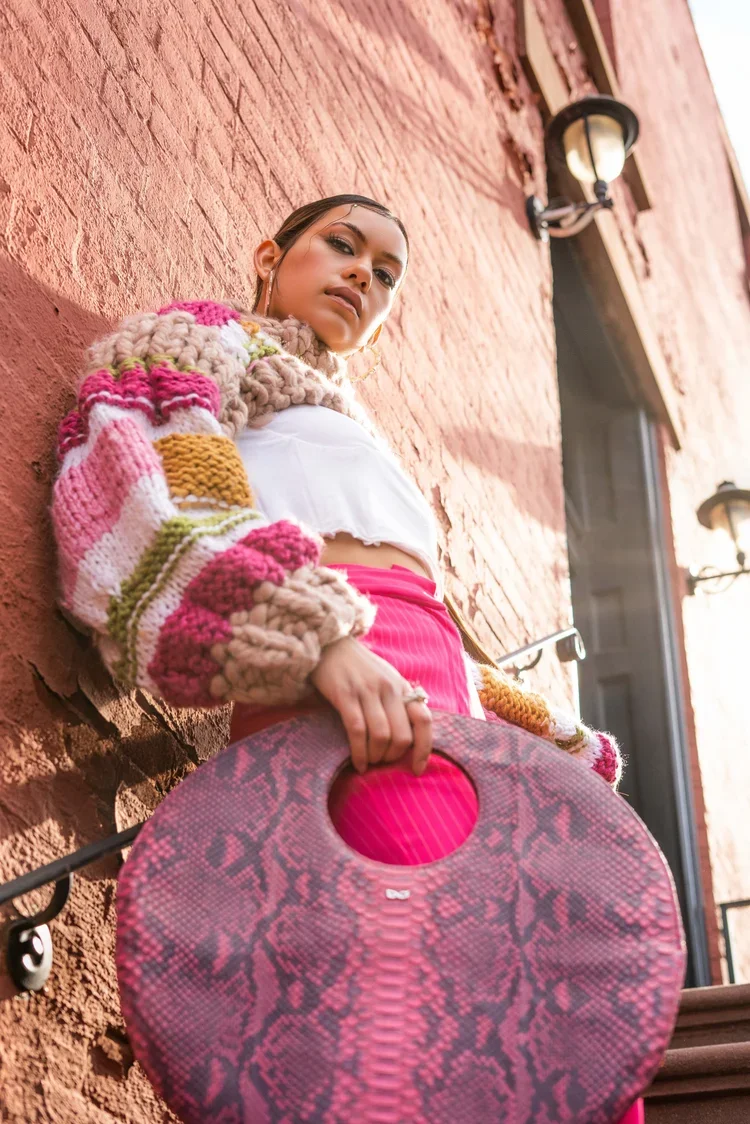
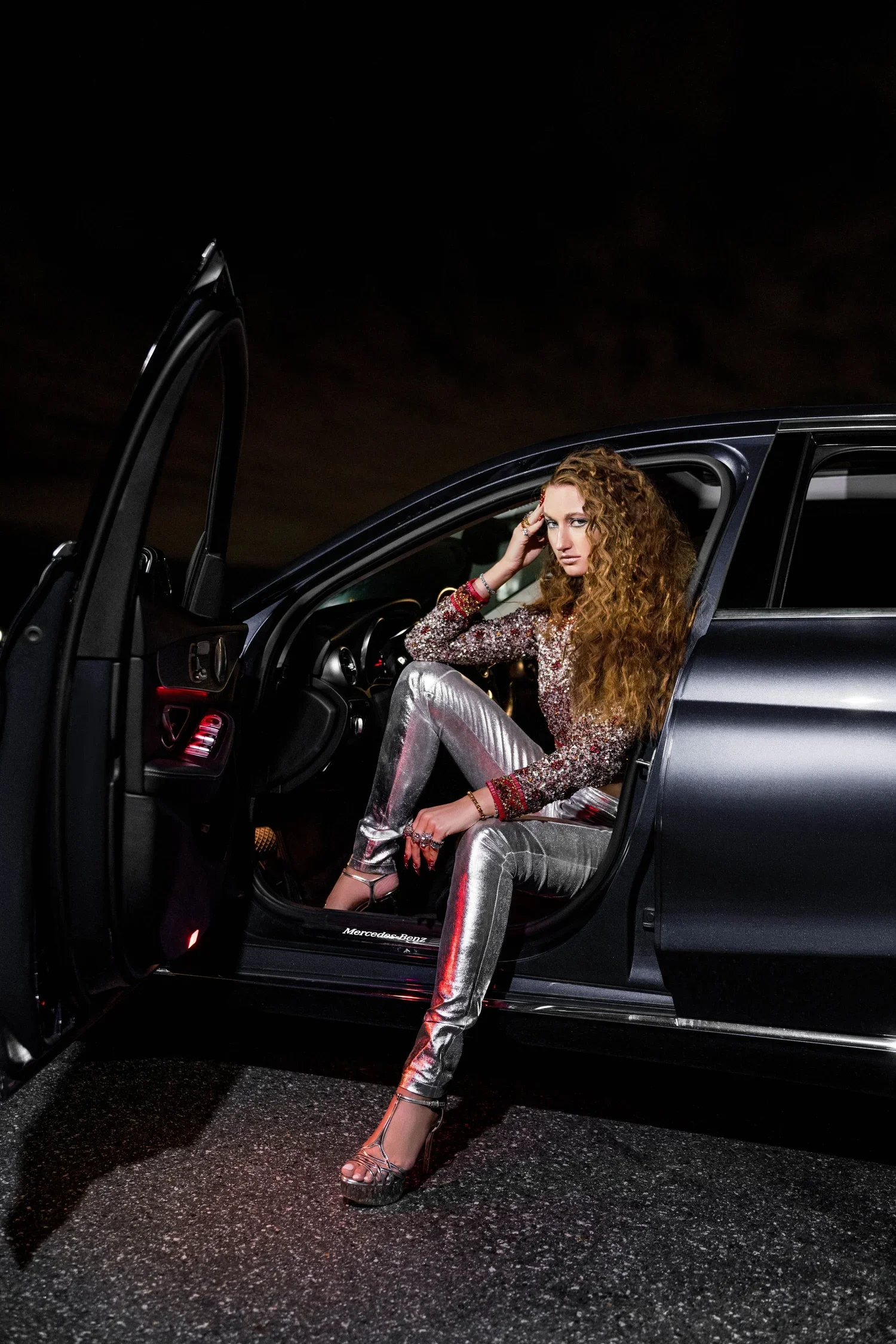
1. Storytelling Is Replacing Traditional Product-Centric Shoots
One of the biggest shifts in fashion photography is the move toward narrative-driven campaigns.
Consumers are no longer satisfied with simply seeing a model wearing a garment. They want context, emotion, and meaning. Fashion brands are increasingly building entire visual stories around collections to create deeper engagement.
Instead of asking, "What are we selling?" brands are asking, "What story are we telling?"
Successful campaigns now focus on:
Lifestyle
Character-driven narratives
Cultural influences
Personal expression
Brand values
Storytelling helps transform products into experiences that audiences remember.
2. Authenticity Over Perfection
Highly polished and overly retouched imagery is gradually giving way to more authentic visuals.
Consumers today appreciate photography that feels real, relatable, and human. They want to see genuine expressions, natural movement, and authentic moments rather than images that feel excessively manufactured.
This trend does not mean sacrificing quality. Instead, it means creating polished imagery that still feels believable and emotionally accessible.
Brands embracing authenticity often see stronger audience trust and engagement.
3. Editorial-Style Photography Continues to Dominate
Editorial-inspired fashion photography remains one of the most influential trends in modern marketing.
Rather than focusing solely on product visibility, editorial imagery emphasizes:
Mood
Atmosphere
Storytelling
Creative direction
Artistic expression
Many fashion brands are adopting visual approaches traditionally associated with luxury magazines because editorial aesthetics help create a premium brand perception.
Consumers increasingly expect campaigns to feel like visual experiences rather than simple advertisements.
4. Cinematic Visuals Are Becoming More Popular
Fashion photography is increasingly borrowing techniques from filmmaking.
Cinematic lighting, dramatic compositions, and movie-inspired storytelling are helping brands create more immersive campaigns.
Characteristics of cinematic fashion photography include:
Dynamic lighting
Rich color palettes
Emotional narratives
Environmental storytelling
Strong visual depth
These elements create imagery that feels larger than life while maintaining emotional impact.
At Parish Mandhan Productions, cinematic storytelling has become an important part of creating memorable fashion campaigns that stand out across digital platforms.
5. Motion-Inspired Photography
Static poses are being replaced by movement.
Modern audiences respond strongly to images that feel alive and energetic. Fashion photographers are capturing models in motion to create more natural and engaging visuals.
Popular approaches include:
Walking sequences
Fabric movement
Dynamic poses
Candid interactions
Action-oriented compositions
Movement helps communicate personality and emotion while making campaigns feel more contemporary.
6. Diversity and Inclusive Representation
Fashion brands are increasingly recognizing the importance of representing diverse audiences.
Consumers want to see people who reflect different:
Ages
Body types
Backgrounds
Cultures
Personal styles
Inclusive photography allows brands to connect with broader audiences while demonstrating authenticity and relevance.
The most successful campaigns celebrate individuality rather than relying on narrow definitions of beauty.
7. Minimalist Luxury Aesthetics
While some campaigns embrace bold concepts, another major trend is minimalist luxury.
This style focuses on:
Clean compositions
Sophisticated lighting
Refined styling
Neutral color palettes
Strong attention to detail
Minimalism allows products and craftsmanship to take center stage while communicating elegance and exclusivity.
Many luxury and premium fashion brands continue to use minimalist visual strategies to reinforce brand positioning.
8. Behind-the-Scenes Content Is Becoming Part of the Campaign
Consumers increasingly want access to the creative process.
Brands are incorporating behind-the-scenes photography into marketing campaigns to provide transparency and authenticity.
These images often showcase:
Creative teams at work
Styling sessions
Production moments
Designer interactions
On-set experiences
Behind-the-scenes content helps audiences feel connected to the people and processes behind a collection.
9. Social-First Photography
Fashion photography is no longer created exclusively for print advertisements or websites.
Today, many campaigns are designed with social media as the primary distribution channel.
This means photographers and creative teams must consider:
Vertical formats
Mobile viewing experiences
Short-form content integration
Platform-specific aesthetics
Shareability
Brands that prioritize social-first photography often achieve stronger engagement and broader reach.
10. Sustainable Fashion Storytelling
As sustainability becomes increasingly important to consumers, brands are using photography to communicate environmental values and ethical practices.
Fashion photography is being used to highlight:
Responsible production methods
Natural environments
Sustainable materials
Slow fashion principles
Conscious consumerism
Visual storytelling helps brands communicate purpose while building trust with environmentally conscious audiences.
11. Personal Branding Is Influencing Fashion Photography
The rise of creators, entrepreneurs, and founder-led brands has blurred the lines between fashion photography and personal branding.
Many fashion campaigns now focus as much on the person wearing the clothing as the clothing itself.
Consumers increasingly connect with:
Founder stories
Creative journeys
Influencer collaborations
Personal narratives
This shift has created opportunities for fashion brands to build stronger emotional connections through human-centered storytelling.
12. AI Is Raising the Value of Real Photography
As AI-generated visuals become more common, authentic photography is becoming more valuable.
Consumers can often recognize when imagery feels artificial or disconnected from reality. As a result, brands are increasingly investing in real models, real locations, and genuine creative direction to maintain authenticity.
The future of fashion photography may include AI-assisted workflows, but audiences will continue to value visuals that feel human and emotionally genuine.
Real experiences create trust in ways artificial imagery often cannot.
Why These Trends Matter for Fashion Brands
Fashion photography directly influences how consumers perceive a brand.
The brands gaining attention today are those that understand photography is no longer just about displaying products. It is about creating emotional experiences that audiences want to engage with and share.
Modern consumers expect:
Authenticity
Storytelling
Creativity
Inclusivity
Visual excellence
Brands that embrace these trends position themselves more effectively in a competitive market while building stronger long-term relationships with their audiences.
Final Thoughts
Fashion photography is entering a new era where emotion, authenticity, and storytelling matter more than ever. While trends will continue to evolve, the underlying goal remains the same: creating imagery that resonates with people on a deeper level.
From cinematic storytelling and editorial aesthetics to inclusive representation and social-first content, the most successful fashion brands are using photography to build connections rather than simply showcase products.
At Parish Mandhan Productions, we believe the future of fashion photography belongs to brands that combine exceptional visual craftsmanship with meaningful storytelling. By embracing emerging trends while staying true to their identity, fashion brands can create campaigns that not only capture attention but leave a lasting impression.
Because in modern fashion marketing, great photography doesn't just show what a brand sells, it shows what a brand stands for.