
Why Fashion Brands Are Moving Toward Authentic Visuals
For decades, fashion marketing was defined by perfection. Highly retouched images, flawless models, carefully controlled studio environments, and idealized lifestyles dominated advertising campaigns around the world. While these visuals successfully created aspiration, consumer expectations have changed dramatically.
Today's audiences are more informed, more connected, and more selective about the brands they support. They crave transparency, relatability, and genuine human connection. As a result, fashion brands are increasingly shifting away from overly polished imagery and embracing authentic visuals that feel real, believable, and emotionally engaging.
This transformation is not simply a creative trend, it is a strategic response to changing consumer behavior. At Parish Mandhan Productions, we've seen firsthand how authentic photography helps fashion brands build trust, strengthen engagement, and create deeper relationships with their audiences.
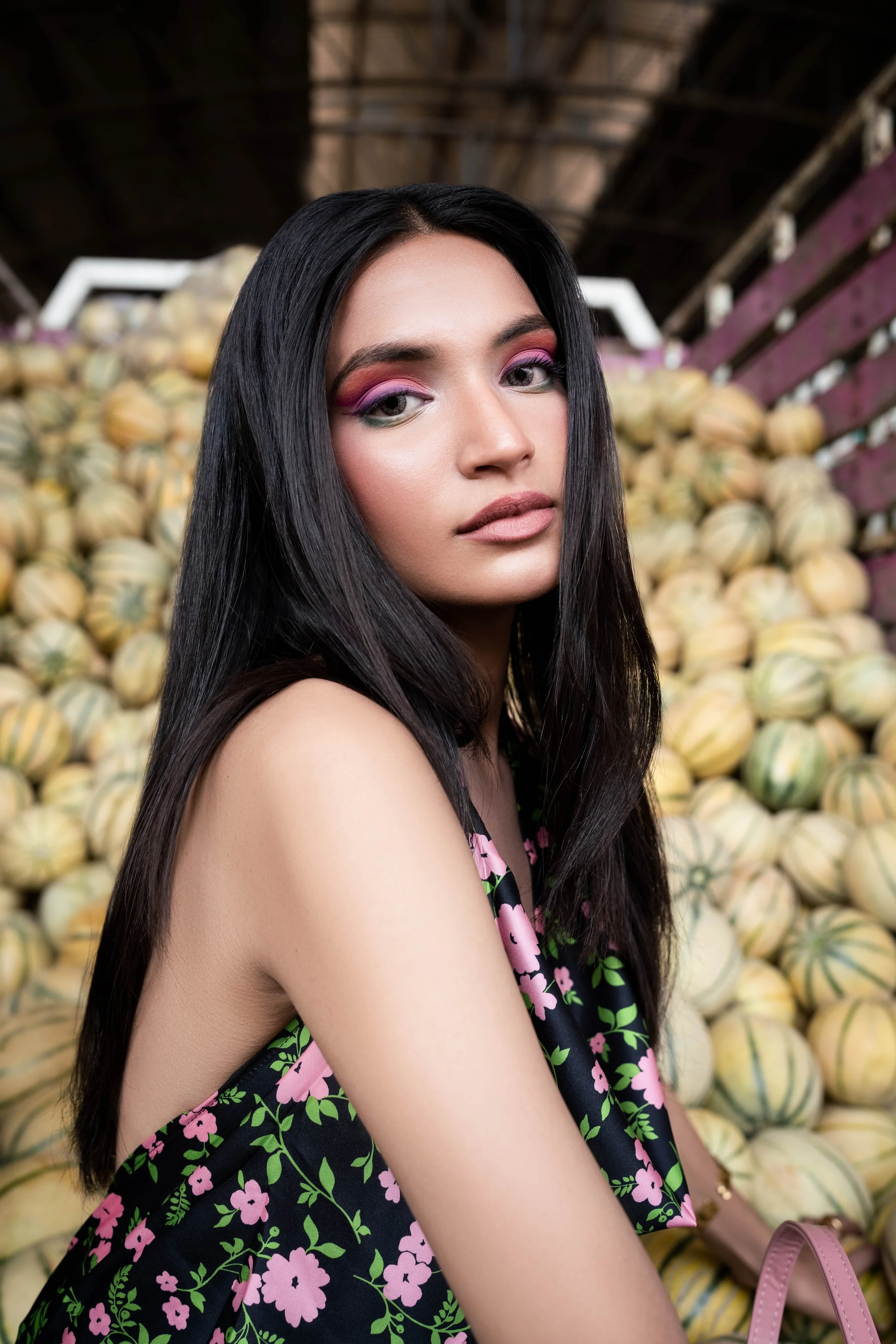
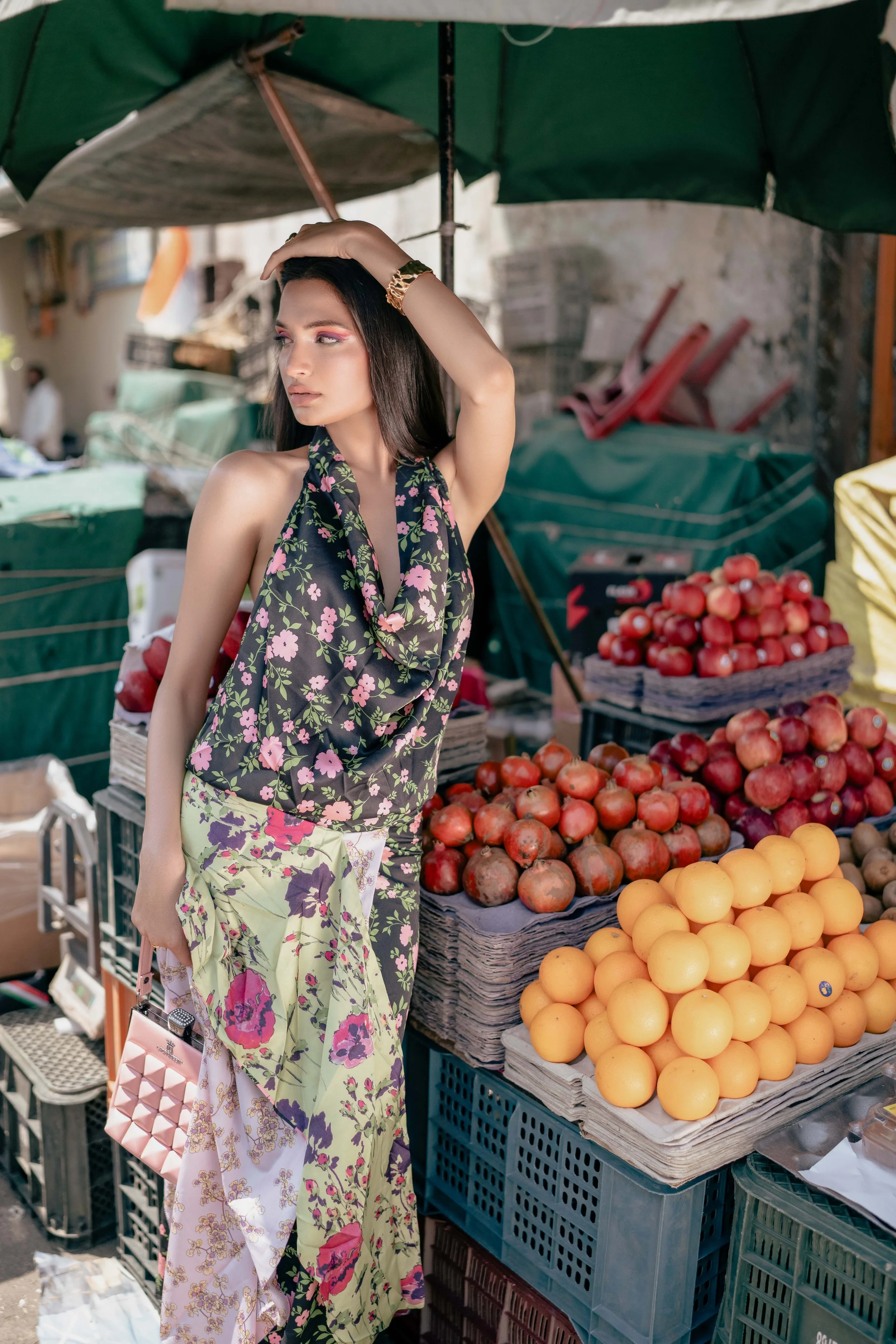
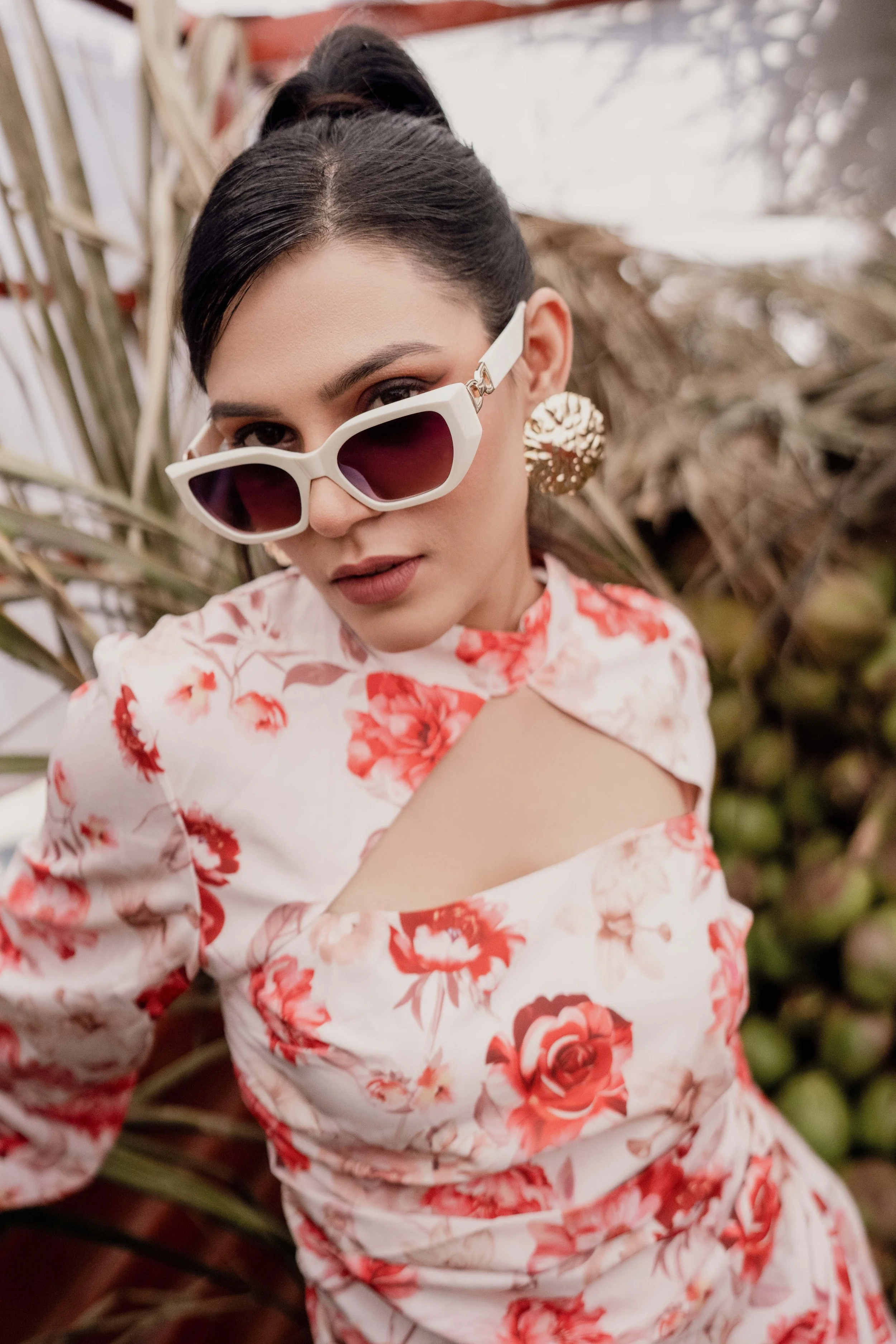
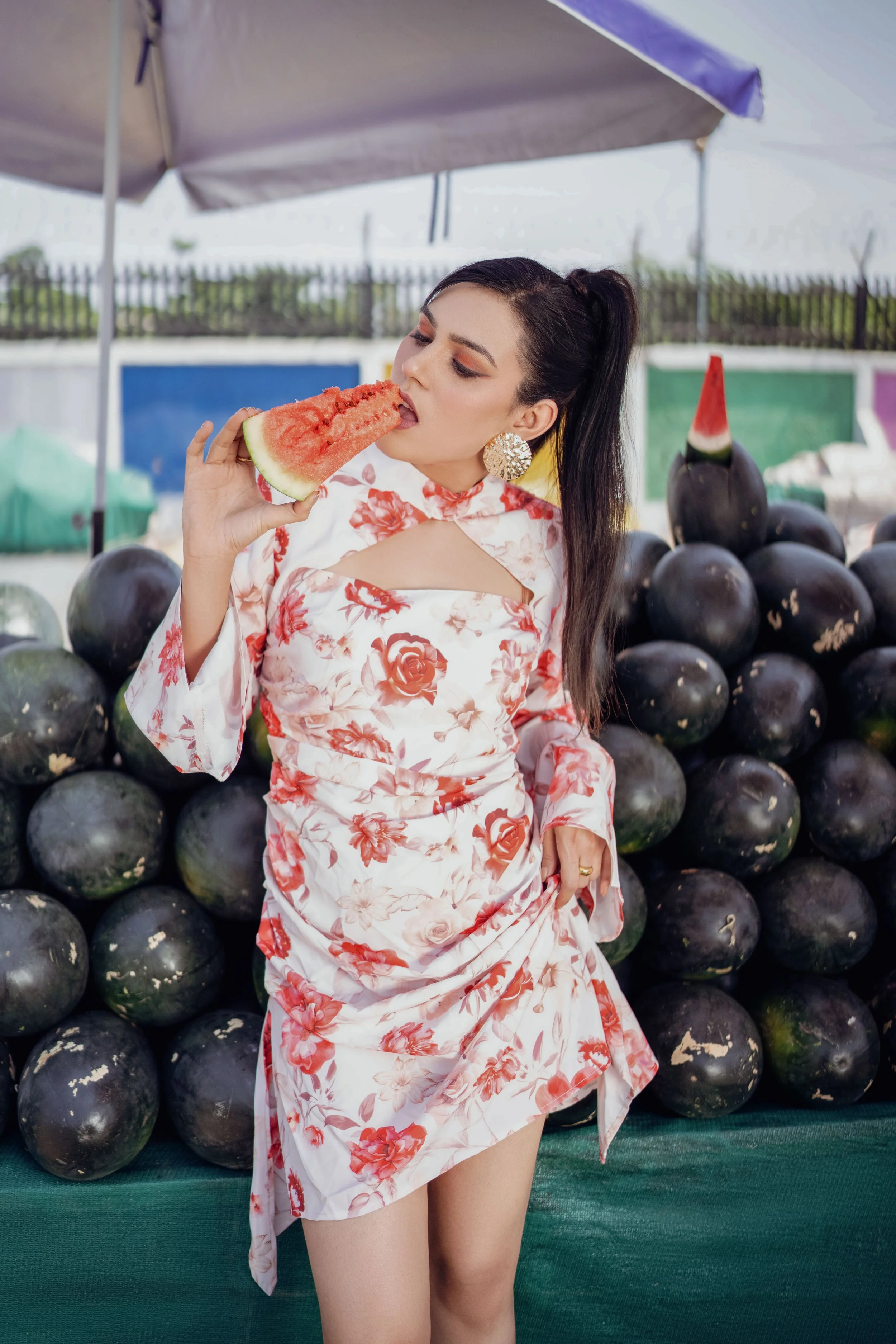
The Modern Consumer Values Authenticity
Consumers today interact with thousands of images every day across social media, websites, digital advertisements, and influencer content.
Because people are constantly exposed to visual marketing, they have become highly skilled at recognizing imagery that feels staged or disconnected from reality. While polished campaigns still have a place in fashion marketing, audiences increasingly respond to content that feels genuine.
Modern consumers want to see:
Real people
Real experiences
Real emotions
Real stories
Real brand values
Authentic visuals help brands meet these expectations while creating stronger emotional connections.
Trust Has Become a Competitive Advantage
In a crowded fashion marketplace, trust is one of the most valuable assets a brand can build.
Consumers are more likely to purchase from brands they perceive as transparent and honest. Authentic photography supports this perception by presenting products, people, and experiences in a believable way.
When imagery feels genuine, audiences are more likely to trust:
Product quality
Brand messaging
Customer promises
Company values
Fashion brands are realizing that authenticity is no longer optional, it is essential for building credibility.
Social Media Changed the Rules
The rise of platforms like Instagram, TikTok, and YouTube has dramatically influenced how fashion brands communicate visually.
Traditional advertising once focused on carefully crafted campaigns released a few times per year. Today, consumers engage with brands daily through social content, behind-the-scenes videos, creator collaborations, and live interactions.
This shift has created a preference for content that feels spontaneous and relatable.
Audiences often engage more with:
Candid moments
Natural expressions
Behind-the-scenes content
Documentary-style photography
Everyday lifestyle imagery
Authentic visuals fit naturally into social media environments where people expect human connection rather than traditional advertising.
Authenticity Creates Stronger Emotional Connections
Fashion has always been emotional.
People choose clothing not only because of functionality but because of what it represents. Fashion helps individuals express identity, confidence, creativity, and personal values.
Authentic photography strengthens this emotional relationship by helping consumers see themselves within a brand's story.
Instead of presenting an unattainable fantasy, brands are increasingly creating imagery that feels accessible and relatable.
When audiences connect emotionally with visuals, they are more likely to remember the brand and develop long-term loyalty.
Real Stories Are More Memorable Than Perfect Images
Consumers may admire perfectly styled photographs, but they often remember stories more than aesthetics alone.
Fashion brands are increasingly using photography to communicate:
Founder journeys
Brand missions
Creative processes
Customer experiences
Cultural influences
Story-driven visuals provide context and meaning that product-focused imagery cannot achieve on its own.
A photograph that captures a genuine moment often creates a stronger impact than one designed solely around visual perfection.
Diverse Representation Is Driving Change
Another major factor behind the move toward authenticity is the growing demand for diversity and inclusion.
Consumers want to see brands reflect the real world.
Fashion campaigns are increasingly featuring people from different:
Backgrounds
Cultures
Ages
Body types
Personal styles
Authentic representation helps audiences feel seen and valued while allowing brands to connect with broader communities.
This approach creates a more inclusive visual language that resonates with modern consumers.
The Rise of Documentary-Style Fashion Photography
One of the most significant trends in contemporary fashion photography is the rise of documentary-inspired imagery.
Rather than relying on heavily staged scenes, brands are embracing:
Natural environments
Genuine interactions
Unscripted moments
Real-life settings
Emotional storytelling
Documentary-style photography creates a sense of immediacy and realism that audiences increasingly appreciate.
These visuals often feel more immersive because they capture moments that appear authentic rather than manufactured.
Behind-the-Scenes Content Builds Transparency
Consumers are becoming more interested in how products are made and the people behind the brands they support.
As a result, fashion companies are sharing more behind-the-scenes content than ever before.
Photography that documents:
Design processes
Production environments
Creative teams
Photoshoot preparation
Brand culture
helps create transparency and strengthens trust.
Behind-the-scenes imagery gives audiences access to the human side of a brand, making it feel more approachable and relatable.
Authentic Visuals Perform Better Online
Beyond building trust, authentic photography often delivers stronger marketing results.
Many brands report higher engagement rates when content feels natural and relatable.
Authentic visuals can lead to:
Increased social media engagement
Higher audience retention
More shares and saves
Improved brand recall
Stronger customer relationships
Consumers are more likely to interact with content that feels human rather than overly promotional.
This makes authenticity not only a creative choice but also a performance-driven marketing strategy.
Authentic Does Not Mean Unprofessional
One common misconception is that authentic photography means sacrificing quality.
In reality, the most effective authentic visuals are carefully crafted.
Professional photographers still focus on:
Composition
Lighting
Styling
Storytelling
Brand consistency
The difference is that these elements are used to support realism rather than create artificial perfection.
At Parish Mandhan Productions, authenticity means capturing genuine moments while maintaining the visual excellence expected from premium fashion campaigns.
AI Is Increasing the Value of Real Photography
As AI-generated imagery becomes more common, authentic photography is becoming even more valuable.
Consumers are increasingly seeking content that feels human and emotionally genuine.
Real people, real experiences, and real stories create trust in ways that artificial visuals often struggle to replicate.
Fashion brands are recognizing that authenticity may become one of the strongest differentiators in an era where digital content can be generated instantly.
The more artificial the digital landscape becomes, the more valuable genuine visual storytelling becomes.
The Future of Fashion Marketing
The shift toward authenticity reflects a broader change in how brands communicate with audiences.
Consumers are no longer looking only for aspiration, they are looking for connection.
Fashion brands that embrace authentic visuals are better positioned to:
Build trust
Increase engagement
Strengthen loyalty
Differentiate themselves
Create meaningful customer relationships
The future of fashion marketing will belong to brands that combine creativity with honesty and storytelling with transparency.
Final Thoughts
Fashion photography is evolving from perfection-driven imagery toward visuals that feel more human, relatable, and emotionally resonant.
Consumers want to connect with brands that feel genuine. They want to see real stories, authentic experiences, and meaningful representation rather than unattainable ideals.
At Parish Mandhan Productions, we believe authenticity is one of the most powerful tools available to modern fashion brands. Through thoughtful photography, documentary-style storytelling, and emotionally driven creative direction, brands can create visuals that do more than attract attention—they build trust.
Because in today's fashion industry, authenticity isn't just a trend. It's becoming the foundation of lasting brand relationships.