
Why the Eyes Often Become the Centre of a Beauty Campaign
In beauty photography, there are moments when everything in the frame seems to lead back to the eyes.
The makeup might be elaborate, the skin carefully lit, and the styling built around a particular colour or texture. But when I look at a beauty portrait, it is often the eyes that hold my attention first.
I think it has a lot to do with expression. A small change in the gaze can completely alter the feeling of an image. The same makeup, photographed in the same light, can feel confident, vulnerable, distant or intense depending on where the model is looking.
That is why I pay so much attention to the eyes when developing a beauty campaign. They are not simply another detail to photograph. They can become the point around which the entire image is built.
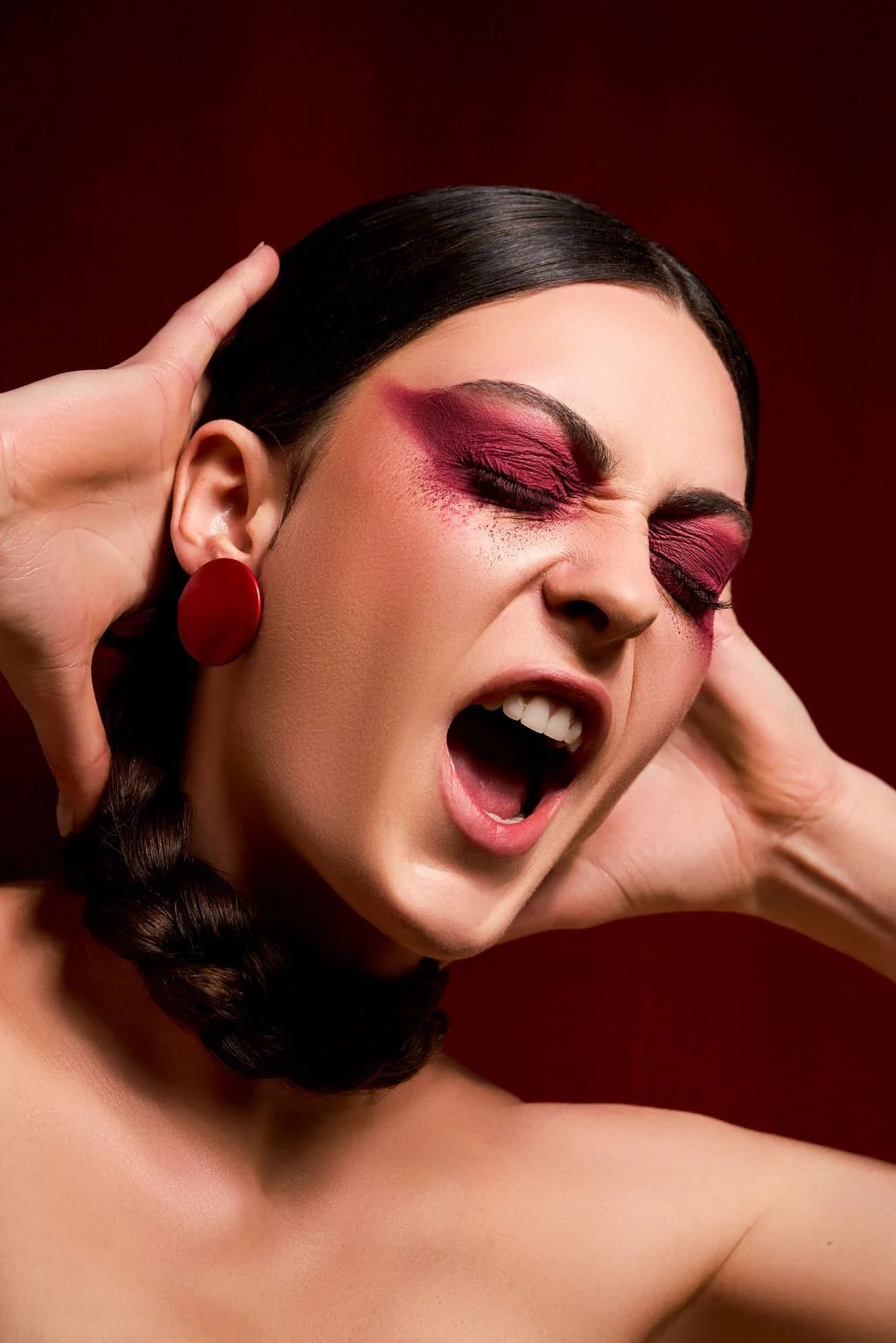
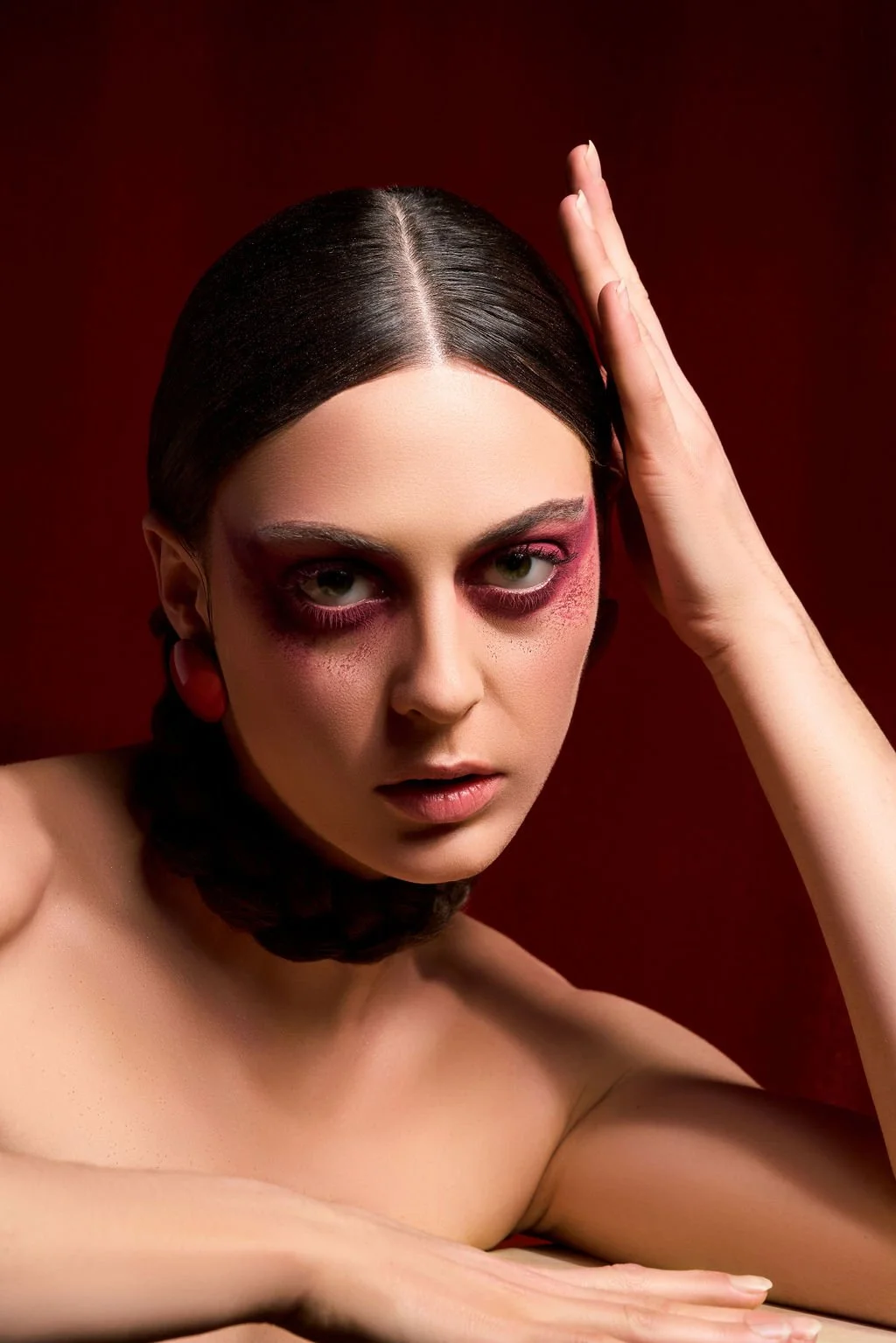
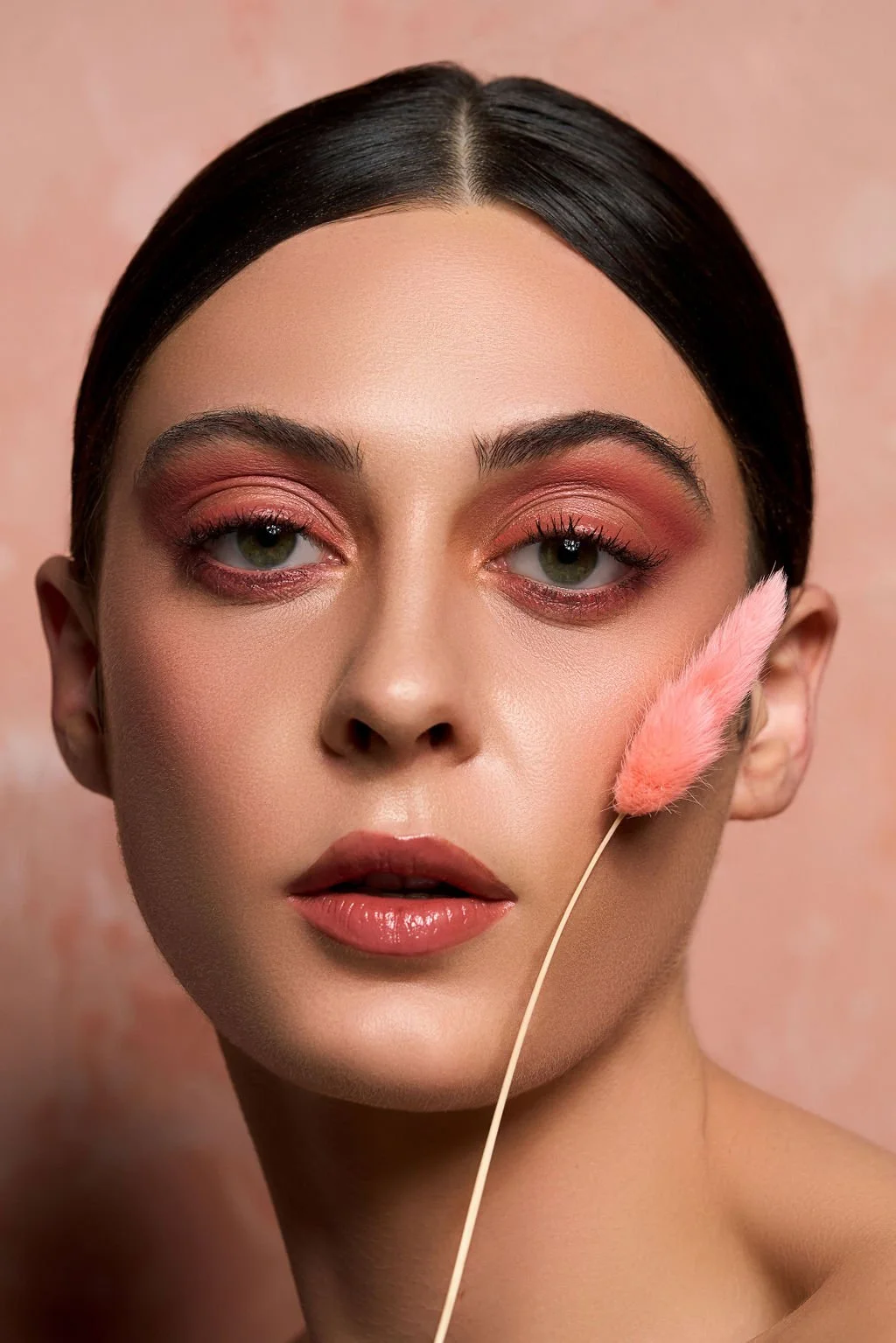
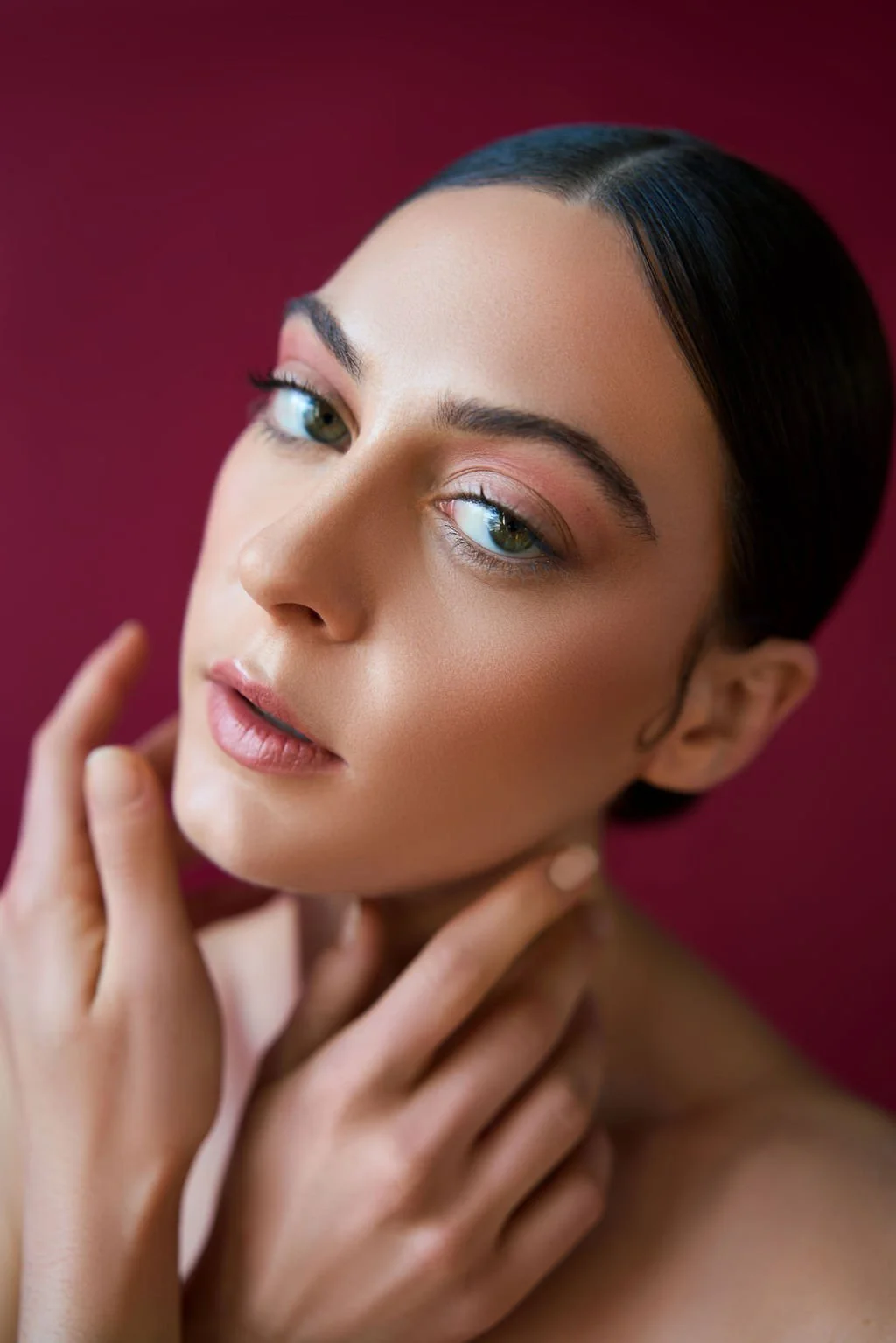
The eyes give the makeup a sense of character
Makeup can communicate a lot through colour, shape and texture. Graphic eyeliner creates a different visual direction from a soft, blended eye. Metallic pigments catch light differently from matte shadows. Long lashes, bleached brows or an unexpected colour can change the character of a portrait before the viewer has even noticed the rest of the styling.
But the makeup doesn't exist independently of the person wearing it.
When a model looks directly into the camera, the image can feel immediate. There is a sense of connection, even when the expression is restrained.
When the gaze moves away, the photograph can feel more private or contemplative. The viewer is looking at a moment rather than being directly addressed.
Neither approach is automatically stronger. What matters is how the expression works with the makeup and the visual direction of the campaign.
Why the smallest changes matter
One of the interesting things about beauty photography is how little sometimes needs to change.
A slight shift in the angle of the head, a different direction of the gaze or a change in the tension around the eyes can make a portrait feel entirely different.
I might begin with a very specific expression in mind, but I don't always want to hold the model in that position for every frame. I like to explore the moments between expressions, when the face changes naturally and the image begins to feel less posed.
This is especially important when the makeup is bold. Strong eye makeup can easily become the only thing the viewer notices. Expression gives it another dimension.
The aim is not to make every portrait dramatic. Sometimes a quiet, almost neutral expression is exactly what allows the makeup to stand out.
Lighting changes the way we see the eyes
Lighting is one of the biggest factors in how the eyes appear in a beauty portrait.
A soft light source can create gentle reflections in the eyes while keeping the skin and makeup relatively even. More directional lighting can introduce shadows around the brow, change the shape of the eye socket and make the gaze feel more intense.
I also pay attention to catchlights — the reflections of the light source in the eyes.
A catchlight can bring a sense of life to a portrait, but its shape and position matter. A large, bright reflection might become a noticeable graphic element. A smaller reflection can feel more subtle.
The lighting needs to support the expression rather than distract from it. If the makeup has a lot of detail around the eyes, I want that detail to remain visible without losing the natural depth of the gaze.
When the eyes become the main visual element
Some beauty campaigns are built around a single feature.
The lips might become the focus through a strong colour or glossy texture. The skin might take centre stage through a particular finish. In other campaigns, the eyes become the main visual idea.
This can influence everything else in the frame.
The makeup artist might create a shape that extends beyond the natural eye line. The styling might be kept simple so that the eyes remain the strongest element. The photographer might work closer to the face, using the composition to remove unnecessary distractions.
I find this approach particularly interesting when the makeup is unusual or experimental. The eyes can give the viewer a place to begin looking, even when the rest of the image is abstract or unexpected.
But making the eyes the centre of a campaign doesn't always mean filling the frame with them. Sometimes a wider portrait, with the eyes still drawing attention, creates a stronger image because the viewer can see how the makeup relates to the rest of the face.
The balance between makeup and expression
A beauty portrait can become too controlled when every detail is treated as something that must look perfect.
The makeup is in place. The lighting is precise. The model is holding a particular expression. Yet the photograph may still feel like it is missing something.
For me, that missing element is often a sense of presence.
I want the makeup to be visible, but I also want the person wearing it to come through. A slightly unexpected gaze or a natural change in expression can make the portrait feel more personal without taking anything away from the beauty direction.
This is where collaboration becomes important. The makeup artist, model and photographer are all contributing to the same image, and the strongest results often come from allowing those contributions to work together.
Making a beauty portrait memorable
The eyes are not always the first thing someone notices in a beauty photograph. Sometimes it is the colour, the styling or the lighting.
But when the image is built around expression, the eyes can give the entire campaign its identity.
They can make an elaborate makeup look feel human. They can turn a simple portrait into something more direct. And they can create a moment that stays with the viewer after the other details have faded.
That is what interests me about photographing the eyes.
Not simply making them look beautiful, but finding the expression that makes the entire image feel like it belongs to someone.