
How to Find a Model for Your Brand Photoshoot
The right model can make a brand's photos feel instantly on-message, and the wrong one can make even great clothing or products fall flat. If you're a small fashion label, beauty brand, or business planning your first shoot, finding a model can feel like a maze. Here's a clear path from first idea to signed agreement.
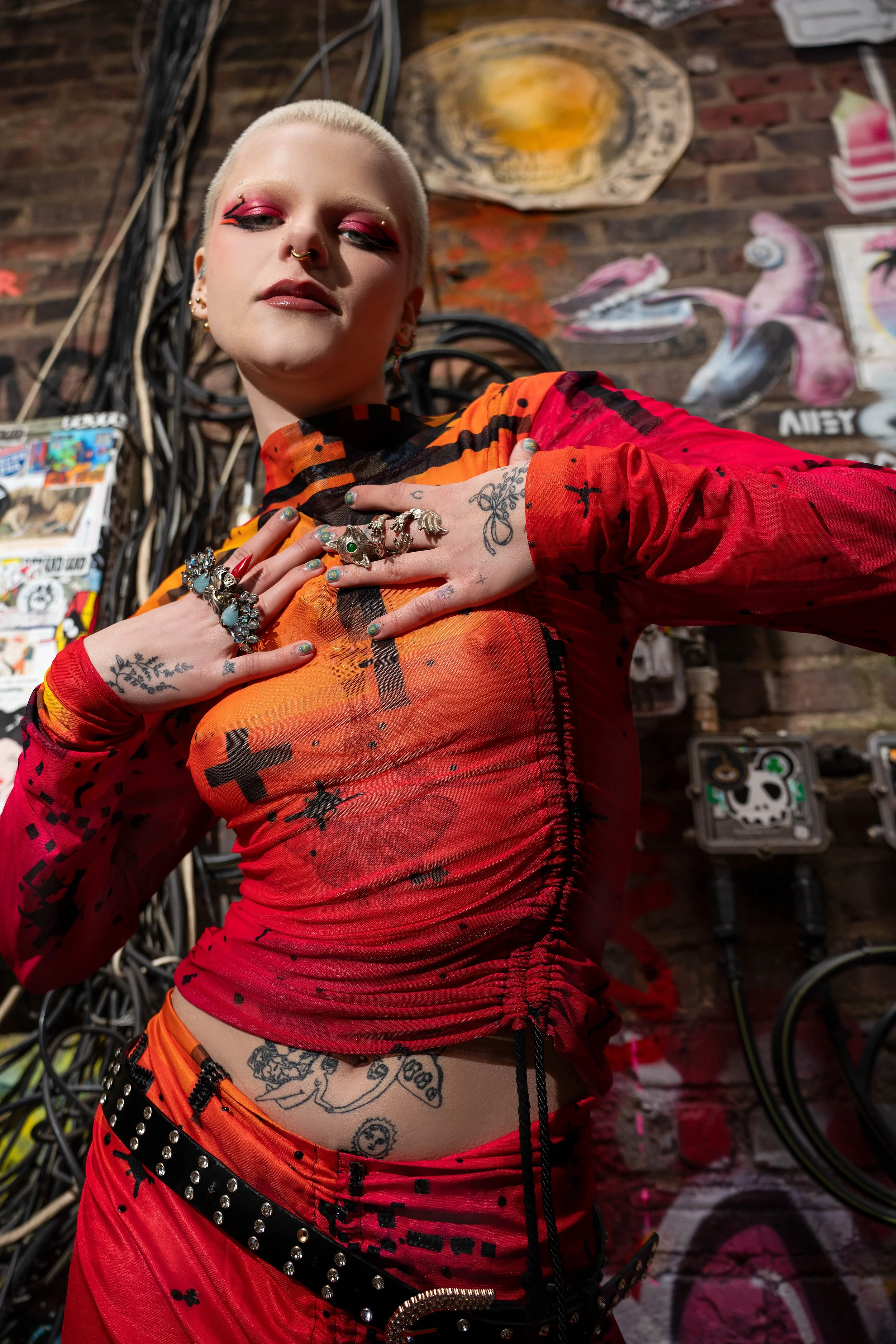
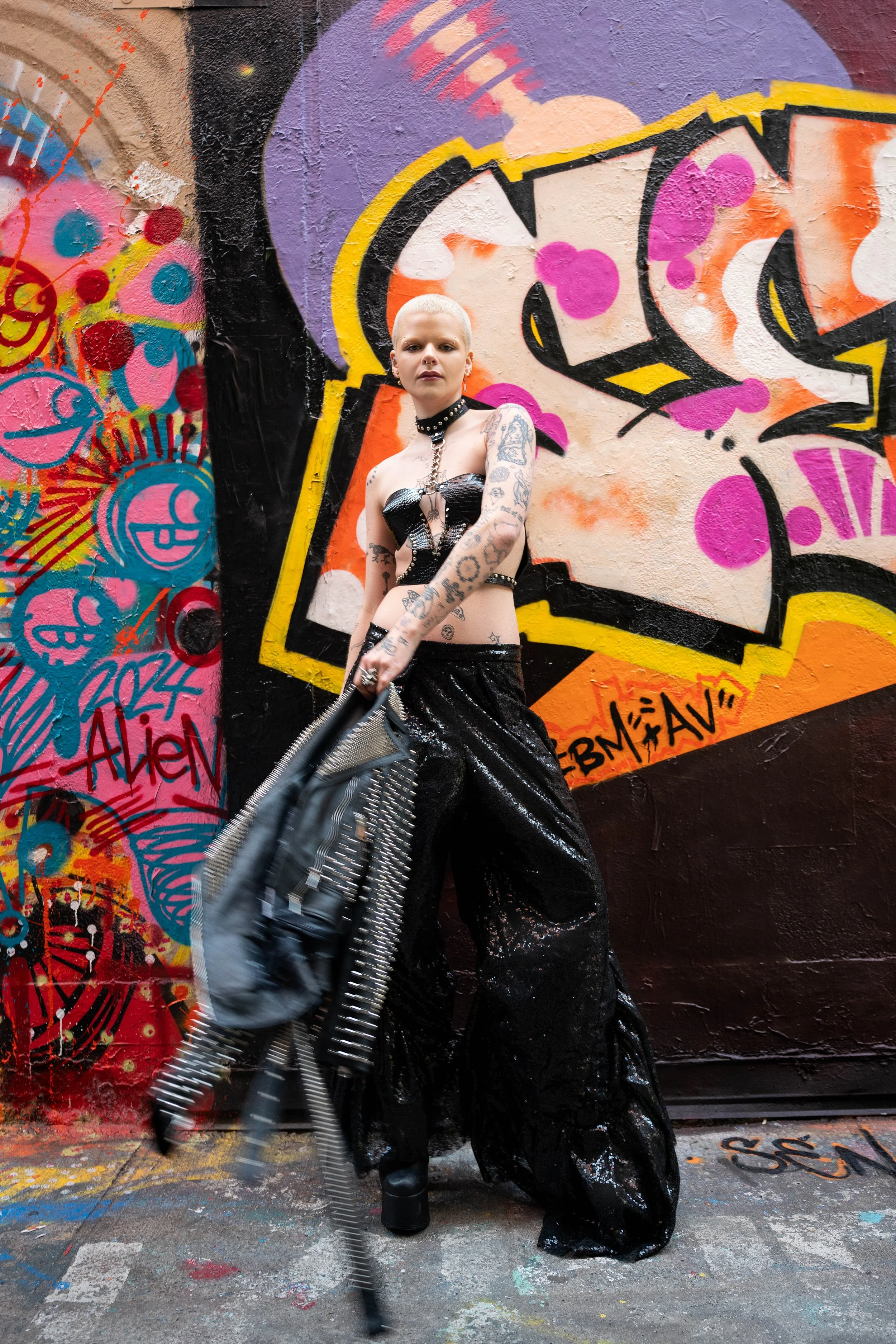
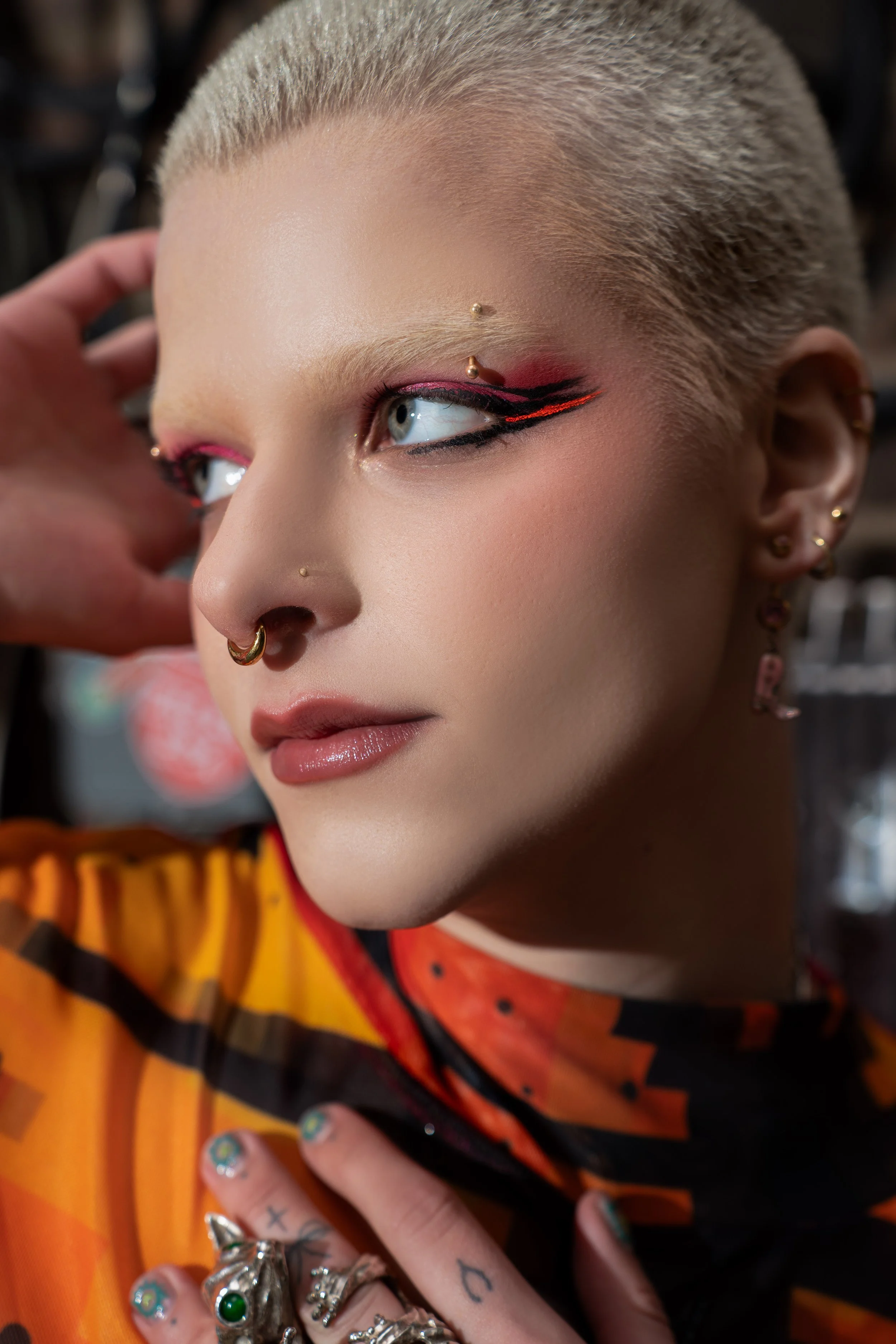
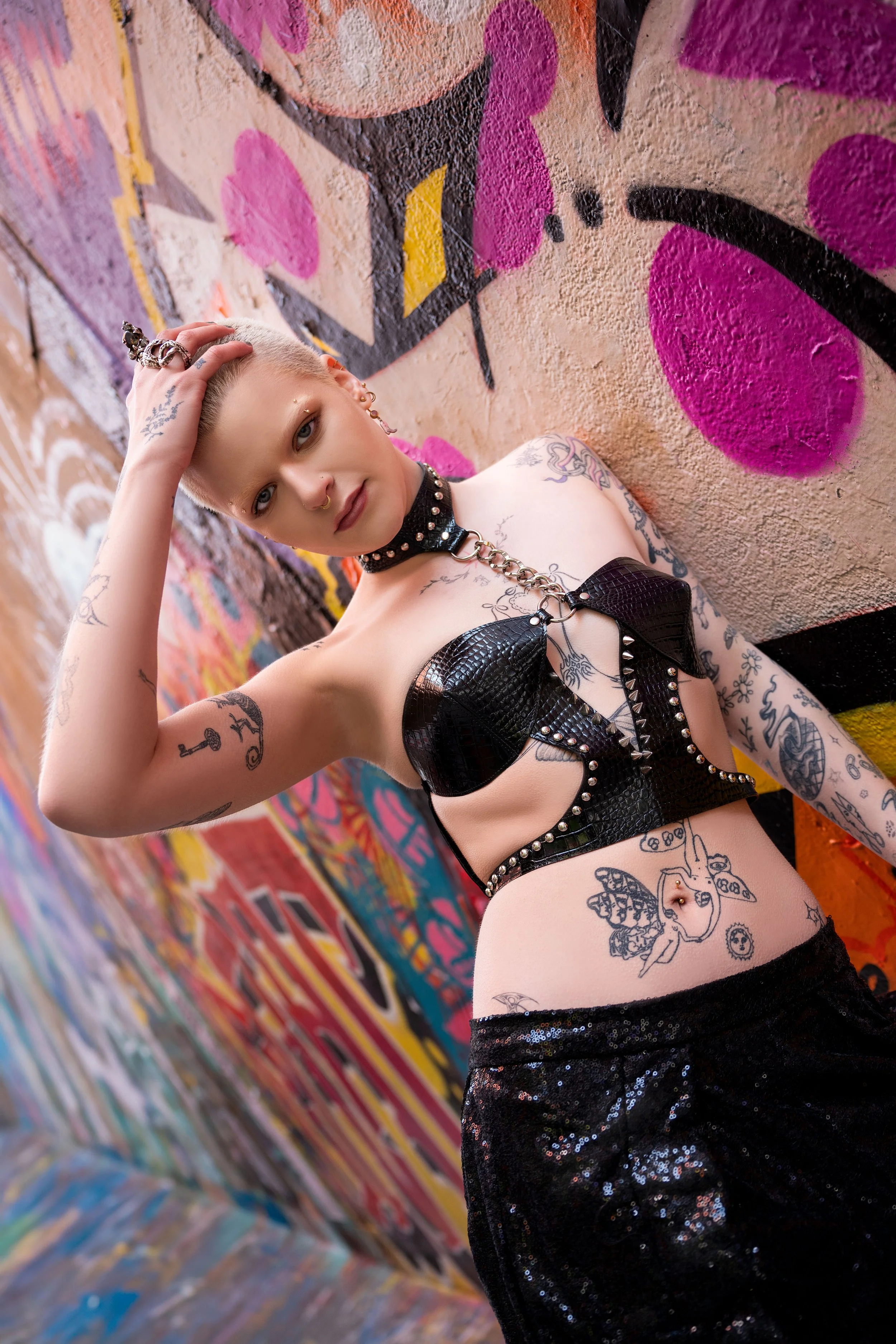
1. Define What You Actually Need First
Before searching, get specific about the brief. A clear brief saves time and makes every conversation easier.
What are you shooting? Clothing, jewelry, skincare, makeup, or a lifestyle campaign each call for different strengths. Beauty work needs strong skin and expressive faces; apparel needs someone who fits your sample sizes and moves well.
Who is your customer? Your model should help your audience picture themselves using your product, not simply be the most striking person available.
How will the images be used? Website, social media, paid ads, print, and packaging all affect pricing and usage rights.
What size and fit do you need? If you're showing clothing, confirm the sizes of your samples so you cast someone who actually fits them.
How many looks and how long is the shoot? This determines how much time you're asking for.
Write this up as a short casting brief you can send to anyone you contact.
2. Where to Find Models
Modeling agencies. Agencies are the most reliable route for professional, experienced talent. You contact the agency, describe your project, and they send options with portfolios and rates. It costs more, but you get dependable, trained models and a clear contract process. Agencies often have separate divisions for commercial, fashion, and beauty work, so say which you need.
Freelance models. Many working models are independent. You can find them through their portfolios, personal websites, and professional model directories. Freelancers are often more flexible on price, but you'll need to handle vetting and paperwork yourself.
Instagram and social media. Browsing location tags and hashtags can turn up models and creators whose look fits your brand. It's a good way to see a person's style and audience at a glance. Reach out with a clear, professional message (more on that below).
Your photographer's network. A photographer who works regularly in fashion and beauty usually knows trusted models, makeup artists, and stylists. This is often the easiest and safest route, because the photographer has already seen how these people work on set.
Local talent pools. Fashion and beauty schools, theater programs, and dance companies are good sources of poised, camera-comfortable people, especially for smaller budgets.
Casting calls. Posting a short casting call lets interested models come to you. Include your brief, location, date, compensation, and how to apply, and ask for current photos rather than heavily edited ones.
3. Paid vs Trade Arrangements
Compensation should be clear from the start.
Paid. The model receives a set rate for their time, often with additional fees for broader usage rights, such as paid advertising. This is the standard for commercial work.
Trade (TFP). Time for prints means everyone contributes time and receives usable images instead of payment. It works for test shoots and portfolio-building, but it's a poor fit for a commercial brand shoot where you'll use the images to sell. Many professional models will decline unpaid work for commercial use.
Product trade. Some brands offer products as partial or full compensation. Be upfront about it, and understand that experienced models usually expect payment.
4. How to Vet a Model
Don't judge on a single polished photo. Look for:
A consistent portfolio. Several images in different lighting and styles show range and reliability.
Experience in your category. Someone who has done beauty close-ups will usually handle skincare better than someone with only full-body fashion work.
Professionalism. Prompt replies, clear communication, and willingness to sign a contract are good signs.
References or past clients. Ask who they've worked with and whether you can contact them.
Digitals. Simple, unedited photos show how the person actually looks today.
Trust your instincts. If someone is evasive about rates, availability, or paperwork, move on.
5. How to Reach Out Professionally
A good first message is short and specific:
Who you are and what your brand does
The project: what you're shooting, when, and where
Usage: how the images will be used
Compensation: the rate or arrangement
A clear next step, such as sending availability or rates
Include a link to your brand or Instagram so they can see the work. Clear, respectful messages get far better responses than vague ones.
6. Confirm Usage Rights and Paperwork
This is the most commonly skipped step and the one that causes the most trouble later. Before the shoot, make sure you have:
A signed agreement covering date, time, rate, and cancellation terms
A model release granting permission to use the images in the ways you intend (see our guide to model release forms)
Usage terms spelling out where, how long, and in what media the images will run
Using images beyond what was agreed, like running organic social photos as a paid ad, can create disputes and extra fees.
7. Prepare the Shoot
Once you've booked someone:
Send the mood board and shot list ahead of time
Confirm sizes and fitting so the wardrobe works on the day
Share the call sheet with time, address, and contact details
Plan breaks, food, and a comfortable space so the model can do their best work
A well-organized shoot leaves a good impression, which makes models more likely to want to work with you again.
Common Mistakes to Avoid
Casting only on looks, without considering fit with your brand and customer
Skipping the written agreement or release
Offering trade for work you plan to use commercially
Not confirming clothing sizes before shoot day
Waiting until the last minute, which limits your options and raises costs
Final Thoughts
Finding the right model comes down to a clear brief, the right sourcing channel, honest terms, and proper paperwork. Start with what your brand needs, look in places that match your budget, vet carefully, and put everything in writing. Done well, the model becomes a real part of your brand's story, not just a face in the photos.