
The Anatomy of a Vogue-Style Editorial: How One Is Planned From Idea to Print
A fashion editorial looks effortless on the page: a model, a mood, a set of clothes that somehow tells a story. Behind each one is weeks of planning and a whole team making dozens of decisions. Every magazine and production works a little differently, but most follow the same overall path. Here's how a magazine-style editorial typically gets from idea to print.
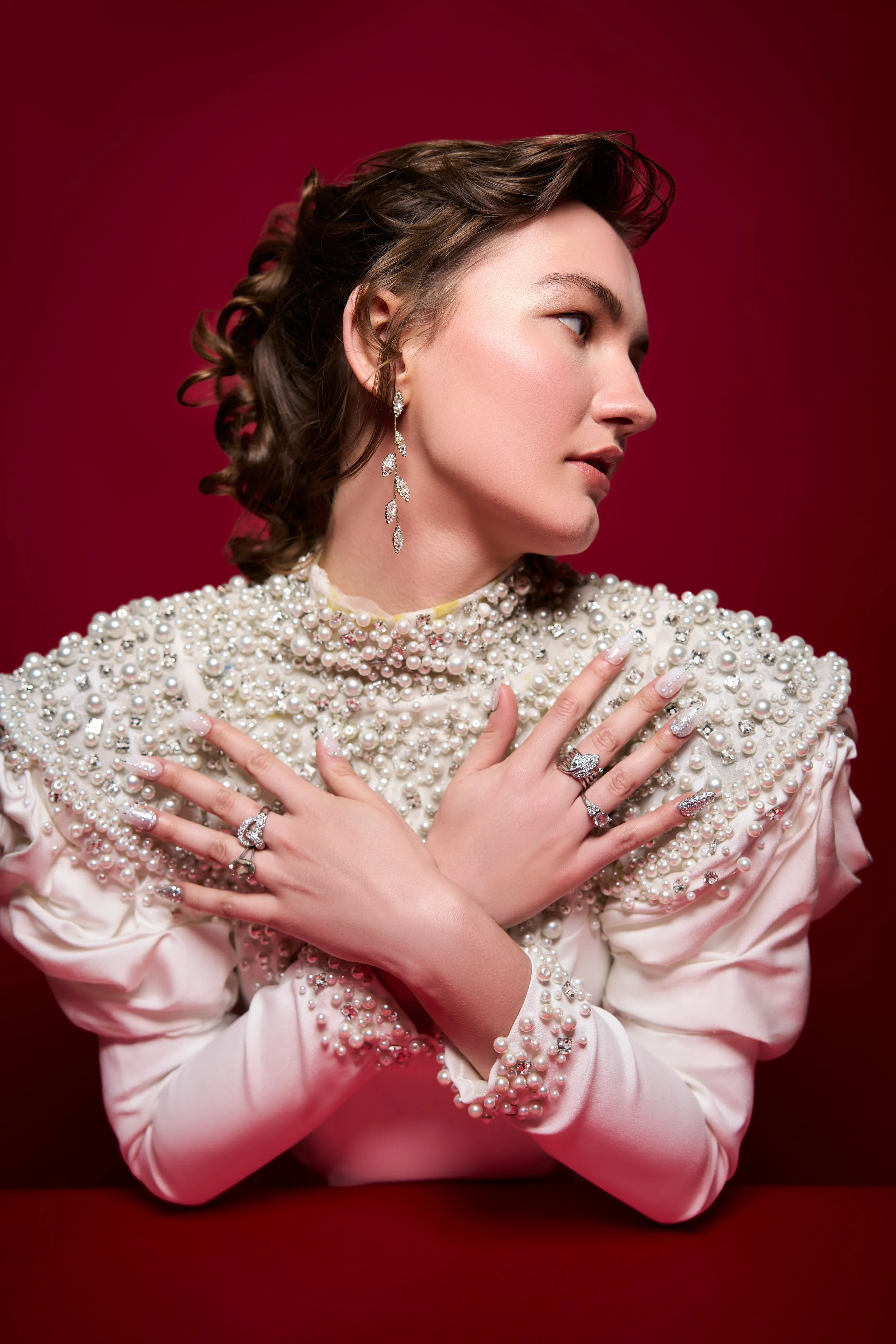
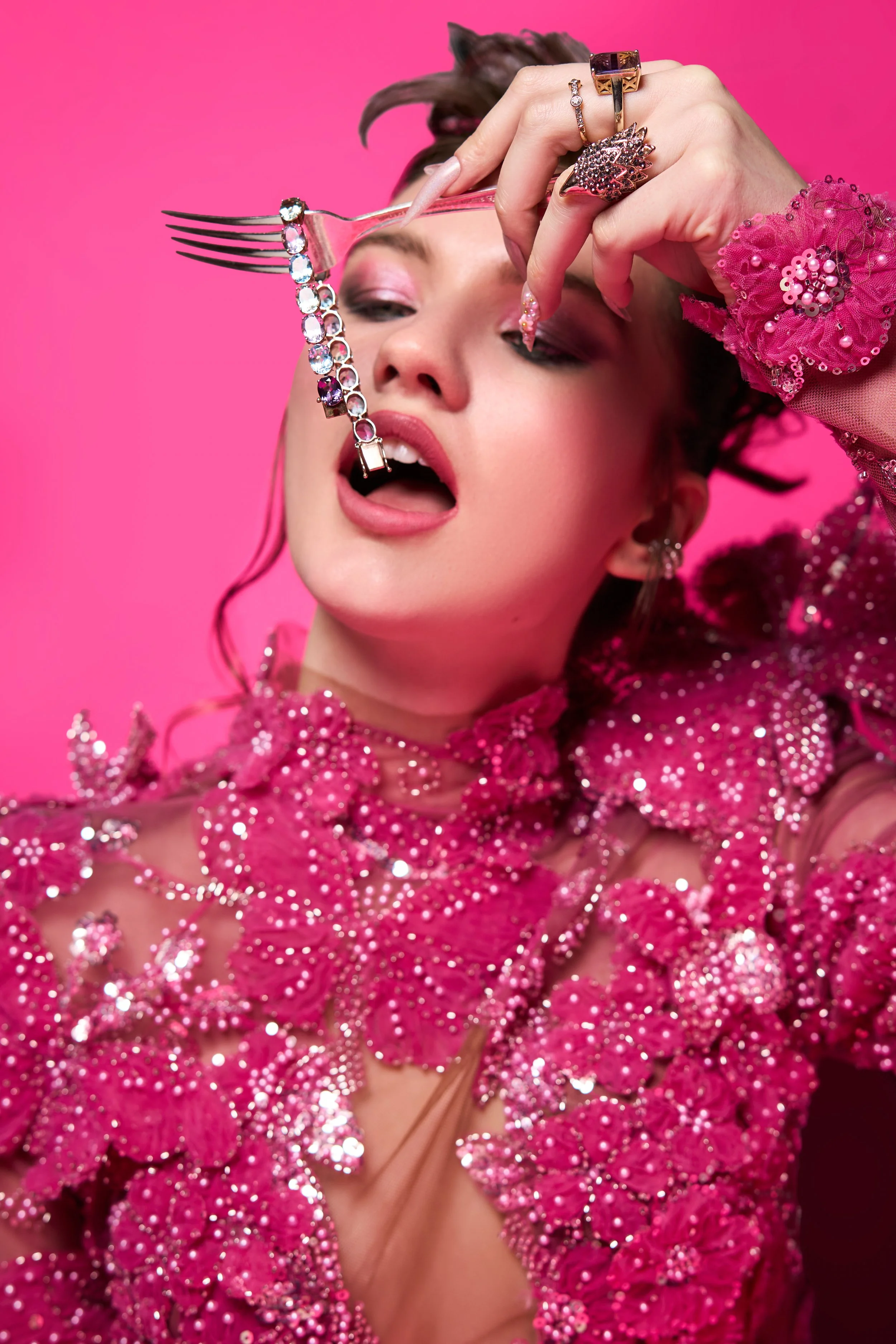
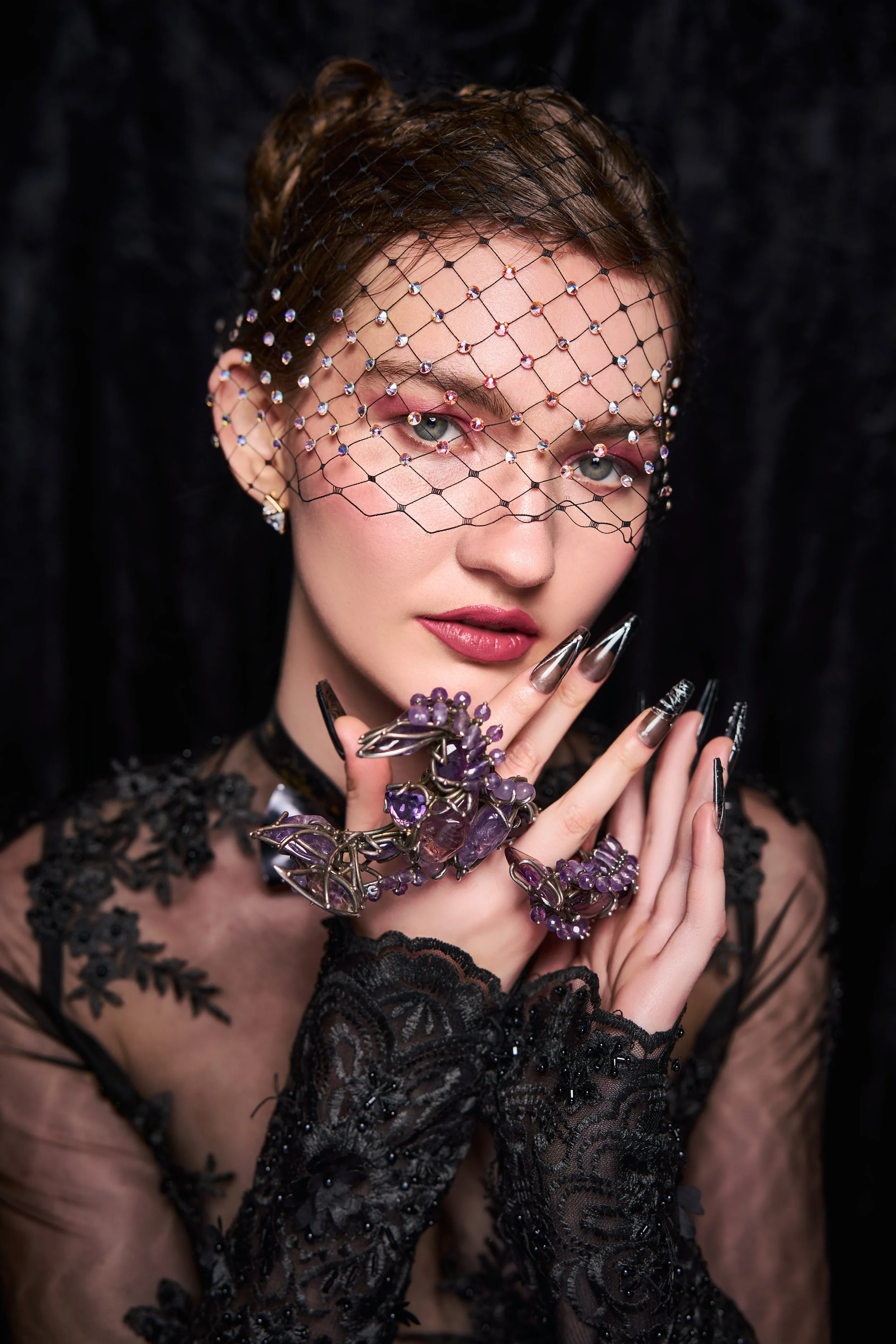
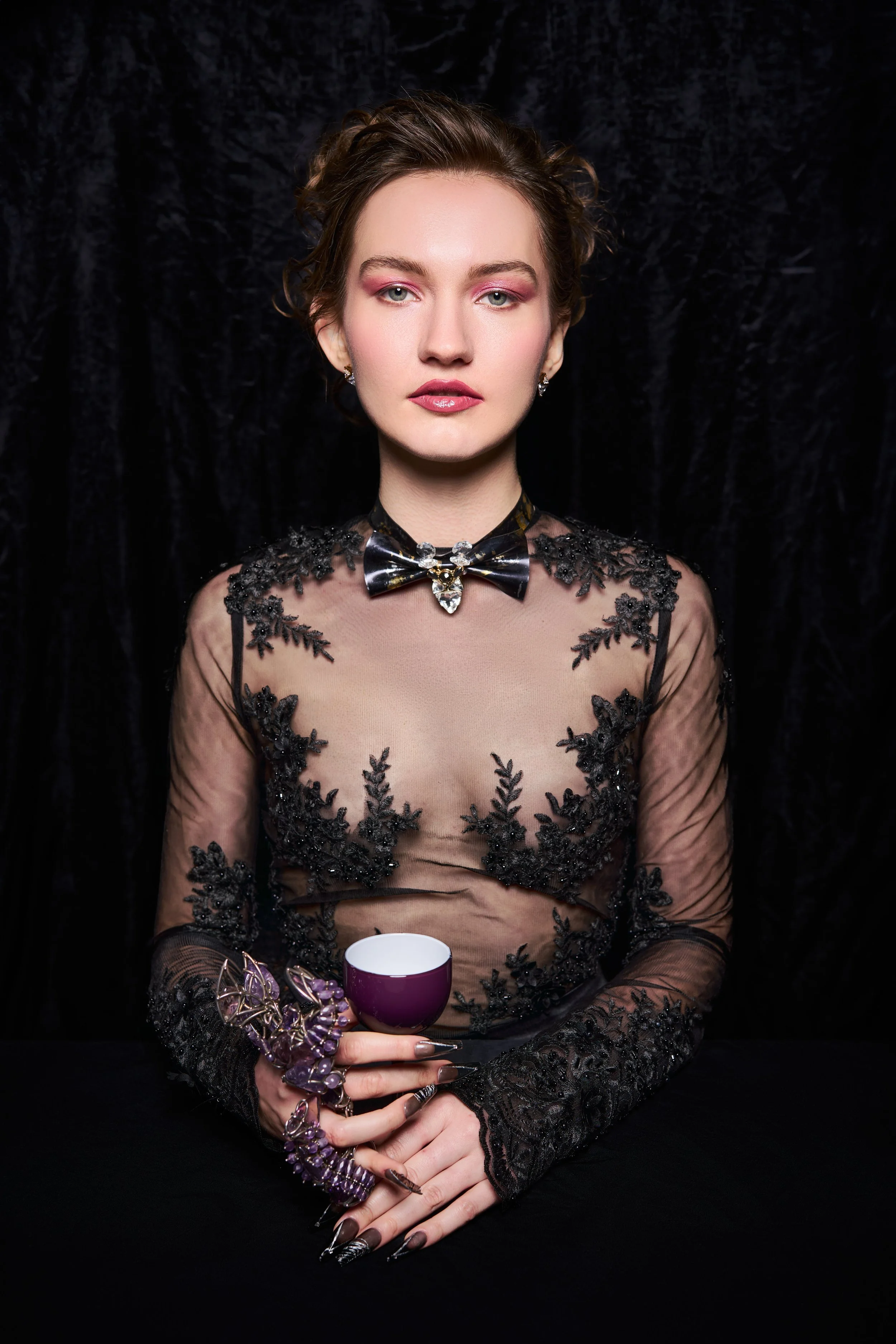
1. The Idea and the Pitch
Everything starts with a concept. It might come from a season's trends, a cultural moment, a location, a particular designer, or simply an image someone can't stop thinking about. The concept is usually written up as a short pitch, often with reference images, describing the story, mood, and visual direction.
At a magazine, the pitch is reviewed by an editor or creative director. For independent editorials, the photographer, stylist, or creative team often develops the concept themselves and then looks for a publication to run it.
2. Building the Mood Board
Once the concept is approved, the team builds a mood board: a visual reference that sets the palette, lighting style, poses, textures, and overall tone. It works as a shared language, so the photographer, stylist, makeup artist, and hair stylist are all aiming at the same picture.
3. Assembling the Team
An editorial is a team effort. Typical roles include:
Photographer — captures the images and shapes the lighting and composition
Fashion stylist — selects and sources the clothing and accessories
Makeup artist and hair stylist — create the looks that fit the concept
Model(s) — chosen to suit the mood and the clothes
Creative or art director — keeps the overall vision consistent
Assistants and production support — handle lighting, wardrobe, logistics, and schedule
Casting the model is a big decision. The right face and presence can change the feel of the whole story.
4. Sourcing the Clothes
This step is often the most time-consuming. Stylists request garments from designers, brands, and showrooms, a process known as "pulling" looks. Brands lend pieces in exchange for credit in the published story, so availability, shipping, sizing, and return deadlines all have to be managed carefully. Some pieces arrive late or fall through, so stylists plan backups.
5. Location, Studio, and Logistics
The team locks in where and when to shoot. That includes booking a studio or securing a location, arranging permits if needed, planning around weather and daylight for outdoor shoots, and building a schedule for the day (see our studio vs outdoor lighting guide for how that choice shapes the look). Hair and makeup time, wardrobe changes, and travel between spots all go into a call sheet that everyone receives in advance.
6. The Shoot Day
On the day itself, the team works through the planned looks in sequence. A typical flow includes:
Setup of lighting and the set while the model is in hair and makeup
Fittings and styling adjustments on the model
Test frames to confirm lighting and composition
Shooting each look, with the photographer and stylist refining details between frames
Regular checks against the mood board to stay on concept
A full editorial can take anywhere from several hours to a full day or more, depending on the number of looks and locations.
7. Selecting the Best Images ("Selects")
After the shoot, the photographer reviews hundreds or thousands of frames and narrows them down to a strong shortlist. The editor, creative director, and stylist often weigh in, because the final story has to work as a sequence, with variety in framing, color, and pace, not just a set of great single shots.
8. Retouching and Color
Selected images go to retouching. This usually includes color grading, cleanup of distractions or flyaway hairs, subtle skin and fabric refinement, and consistency across the whole set so the story feels unified (see our guide to natural-looking skin without heavy retouching for how the best teams approach this). Good retouching supports the image rather than reinventing it.
9. Layout and Sequencing
Designers then lay out the story for the page. They choose which images run large, which pair together, and how the sequence flows from opener to closer. They also decide where the headline, credits, and any text will sit. The order of images matters: a strong opener sets the tone and a strong closer leaves an impression.
10. Credits, Approvals, and Print
Before the story goes to print or online, every contributor and brand is credited: photographer, stylist, makeup, hair, model, and the designers whose pieces appear. Brands and sometimes models or agencies may need to approve how they're shown. Once everything is signed off, the story is finalized and published.
What You Can Take From This for Your Own Shoots
You don't need a magazine budget to borrow the structure. A clear concept, a mood board, a defined team, a planned shot list, and careful selection and retouching will raise the quality of almost any shoot, from a portfolio session to a brand campaign
Final Thoughts
A magazine-style editorial feels spontaneous on the page, but it comes from deliberate planning: a strong idea, a coordinated team, careful sourcing, and disciplined editing. Understanding that process helps you plan your own shoots more clearly, brief collaborators better, and appreciate how much work sits behind a single spread.
Want to plan an editorial-style shoot of your own in NYC? Book a session and let's build a concept and team around your vision.


