
How to Get Flawless Skin in Photos Without Heavy Retouching
Heavy retouching can fix a lot, but it can't fix everything, and over-retouched skin often looks flat, plastic, or unnatural. The best beauty and fashion photographers rely on getting skin looking great in camera first, using retouching to refine rather than rescue. Here's how that actually works.
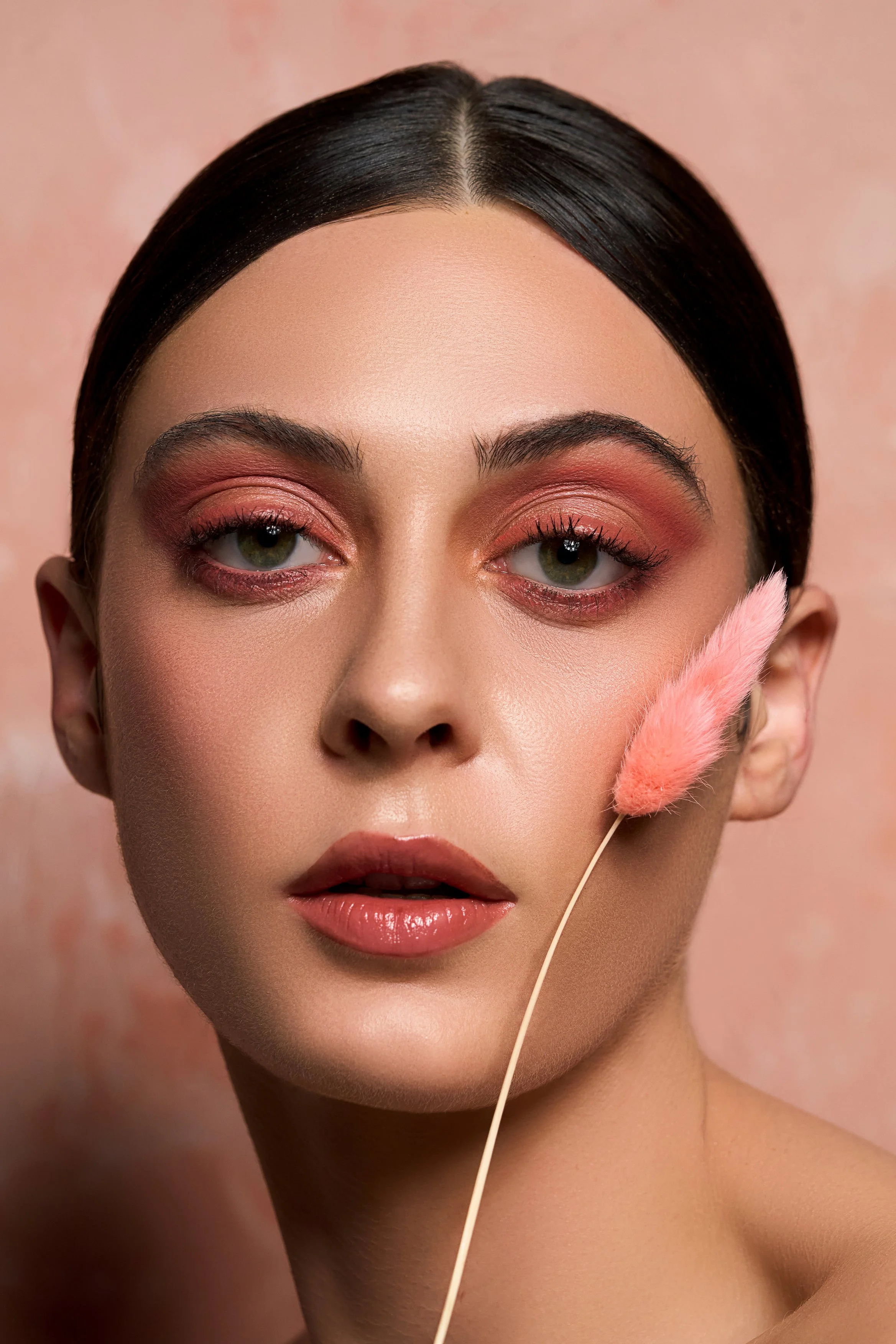
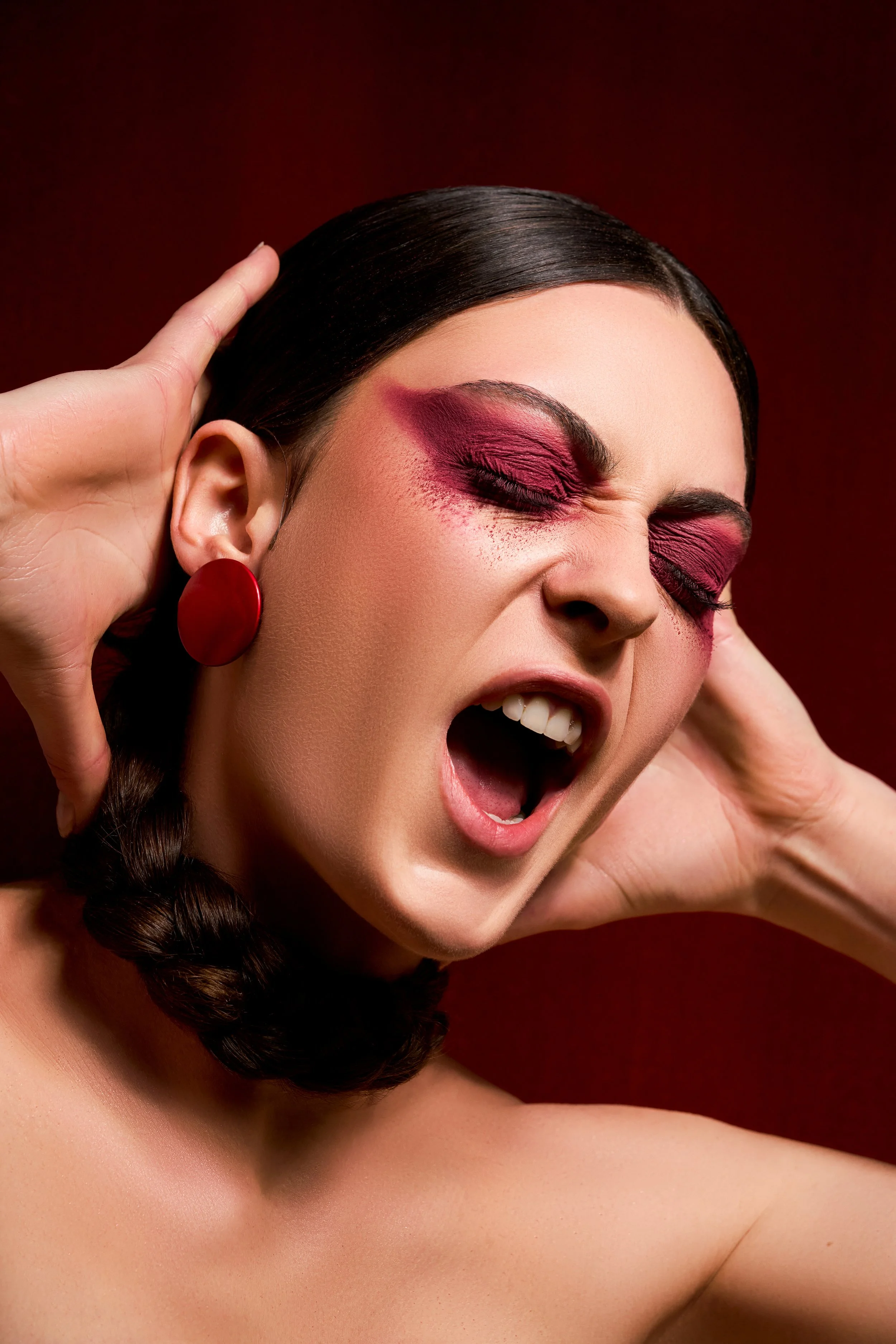
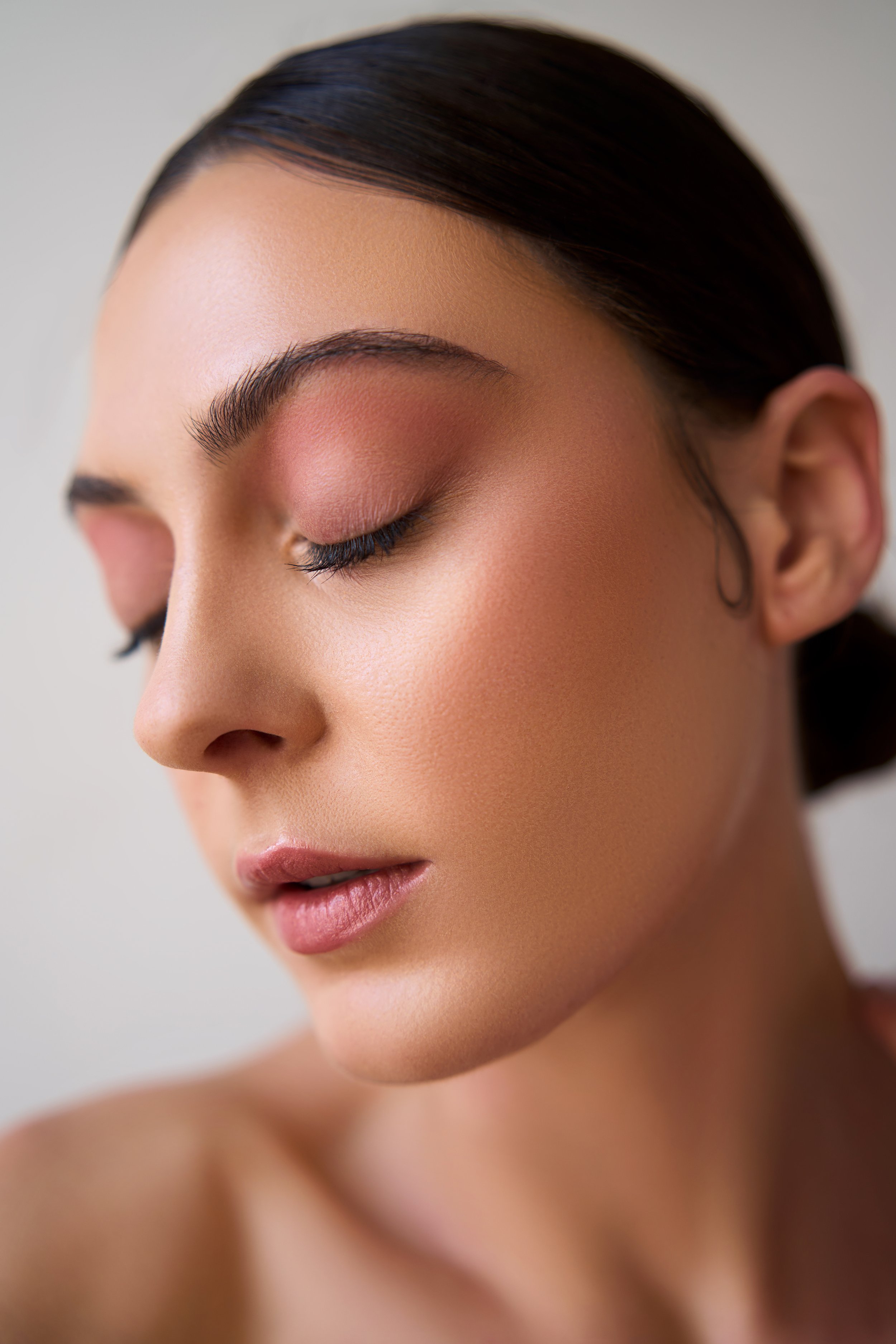
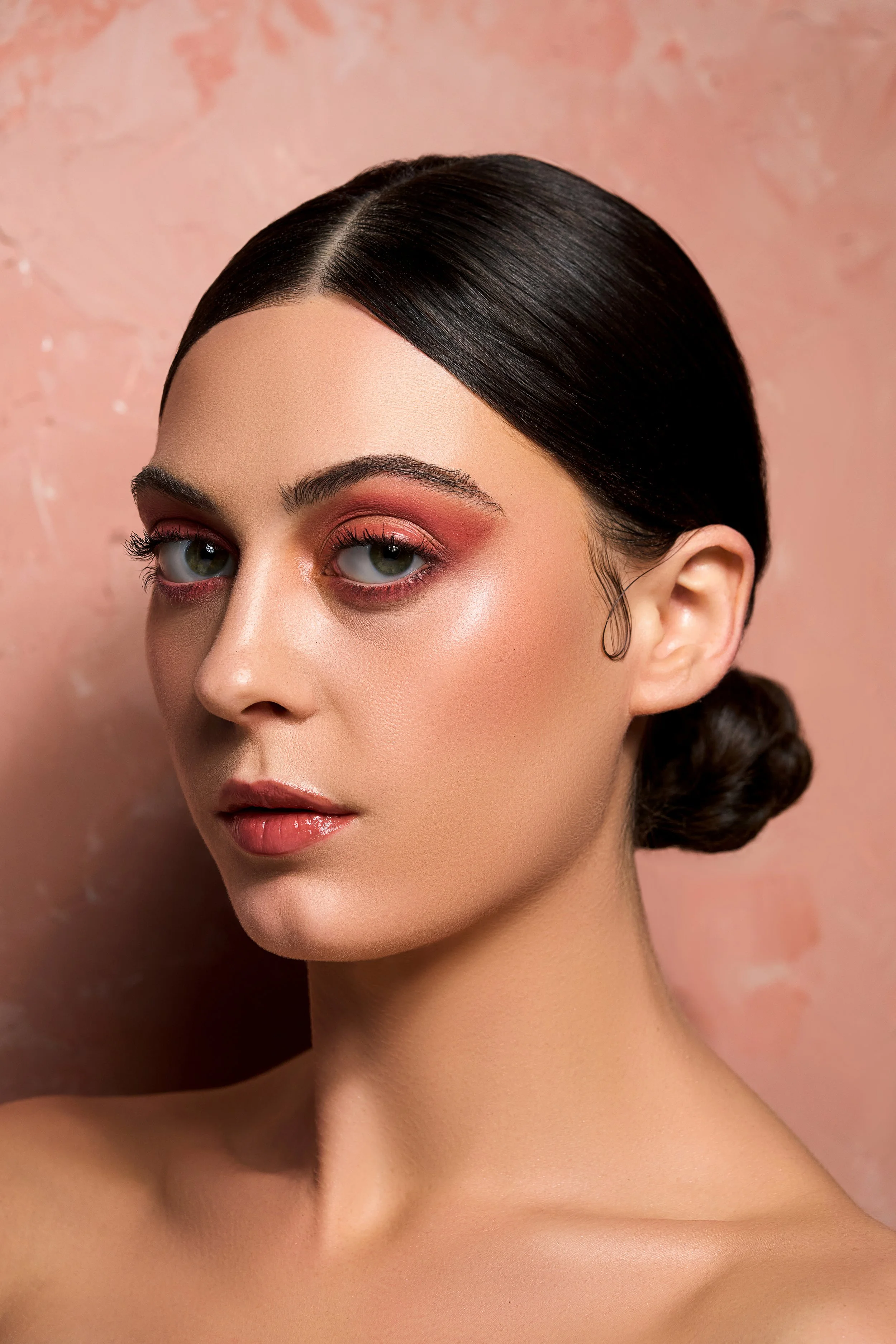
1. Skin Prep Starts Before the Shoot, Not the Morning Of
Camera-ready skin is the result of consistent care in the days leading up to a shoot, not a single routine the morning of. A few general guidelines that photographers and MUAs commonly recommend:
Stick to your normal skincare routine in the days before, trying new products right before a shoot can cause unexpected reactions or breakouts
Stay hydrated in the days leading up to the shoot; dehydrated skin can look duller and more textured on camera
Get a full night's sleep before shoot day, this affects under-eye appearance and overall skin tone more than almost anything else
If you're prone to breakouts, avoid trying new skincare actives (exfoliants, new serums) in the 48-72 hours before a shoot
For anything beyond general routine, like managing a specific skin concern, it's worth talking to a dermatologist well ahead of shoot day rather than making last-minute changes.
2. Lighting Does More Work Than Retouching Ever Will
Skin texture, tone, and even minor imperfections are dramatically affected by how a face is lit. This is where a skilled photographer makes the biggest difference:
Soft, diffused light (through a softbox, scrim, or natural window light) minimizes the appearance of texture and fine lines far more effectively than any retouching
Harsh, direct light exaggerates texture, pores, and shadows — this is why beauty photographers rarely use bare, direct flash
Front-facing or slightly off-angle light tends to be more flattering than light coming from a sharp side angle, which can emphasize texture
If you're working with a photographer who understands beauty lighting, most of the "flawless skin" work is already happening before a single edit is made.
3. Makeup Application Matters More Than Product Brand
For photography specifically, application technique often matters more than which products are used:
A thin, well-blended base (rather than heavy, cakey coverage) tends to photograph more naturally — thick makeup can actually highlight texture rather than hide it
Setting powder in key areas (T-zone, under eyes) helps prevent shine under studio lighting, without flattening the skin
Cream-based products often photograph more naturally than heavy powder products, which can look dry or flat under strobes
A muslin or MUA experienced specifically in photography (not just everyday makeup) will know how products behave under studio lights versus natural light, see our guide to choosing the right makeup artist for more on this
4. Hydration and Glow, the Day Of
A subtle, natural glow (as opposed to flat, matte skin) tends to photograph better in most beauty and fashion contexts. A light, hydrating primer or a subtle highlighter on high points of the face can add dimension without looking greasy or overdone under lights.
5. What Retouching Should (and Shouldn't) Do
Even with great prep and lighting, light retouching is standard in beauty and fashion photography — but there's a meaningful difference between refining and reconstructing:
Good retouching: evens out minor tonal inconsistencies, softens temporary blemishes, removes stray hairs or lint
Over-retouching: smooths away all texture, changes facial structure, or makes skin look artificially poreless
The best results come from images where the skin already looks great before editing — retouching should enhance what's already there, not compensate for what isn't.
Final Thoughts
Flawless-looking skin in photos is less about retouching and more about what happens before the camera even comes out — consistent skincare, the right lighting, and application techniques built specifically for photography. When those three things come together, retouching becomes a light final touch rather than a rescue mission.
Preparing for a beauty or fashion shoot in NYC? Book a session and let's plan your prep, lighting, and concept together.