
Fall/Winter vs Spring/Summer: How Lighting Changes for Fashion Shoots in NYC
Natural light in New York City shifts significantly across the year, not just in temperature and foliage, but in angle, color, and duration. Planning a fashion shoot around the season's actual lighting conditions (rather than fighting them) makes a real difference in the final images. Here's what changes, and how to work with it.
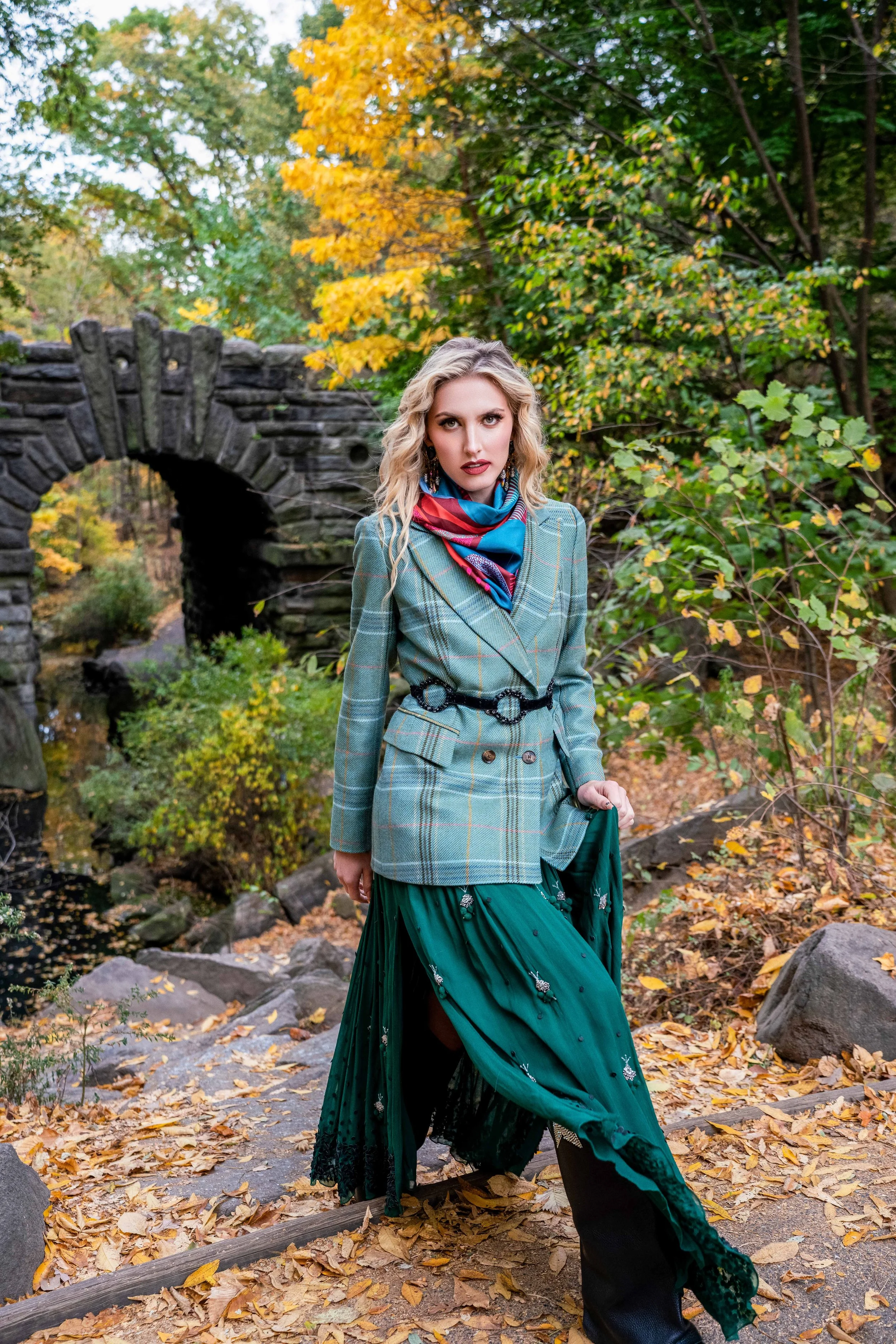
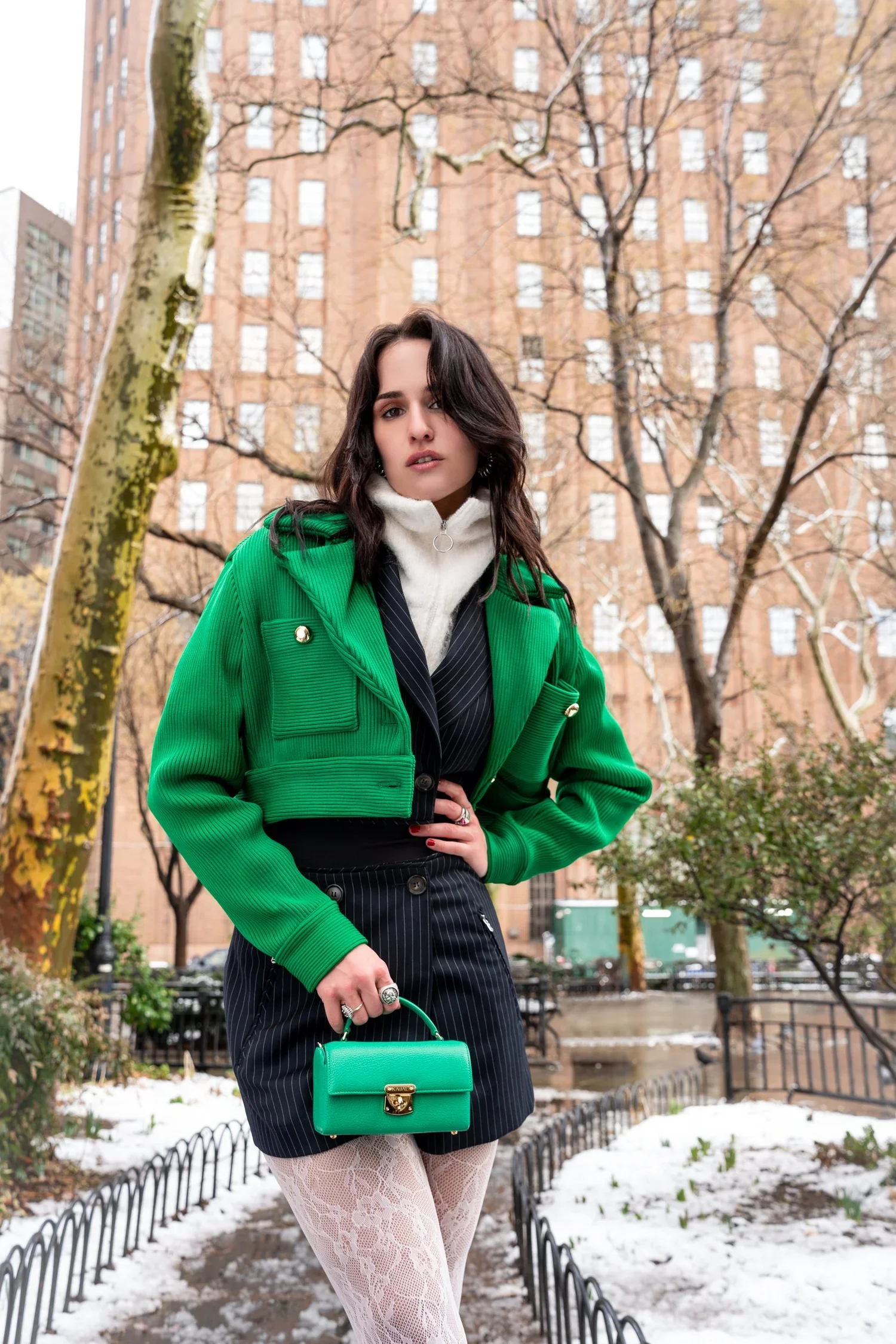
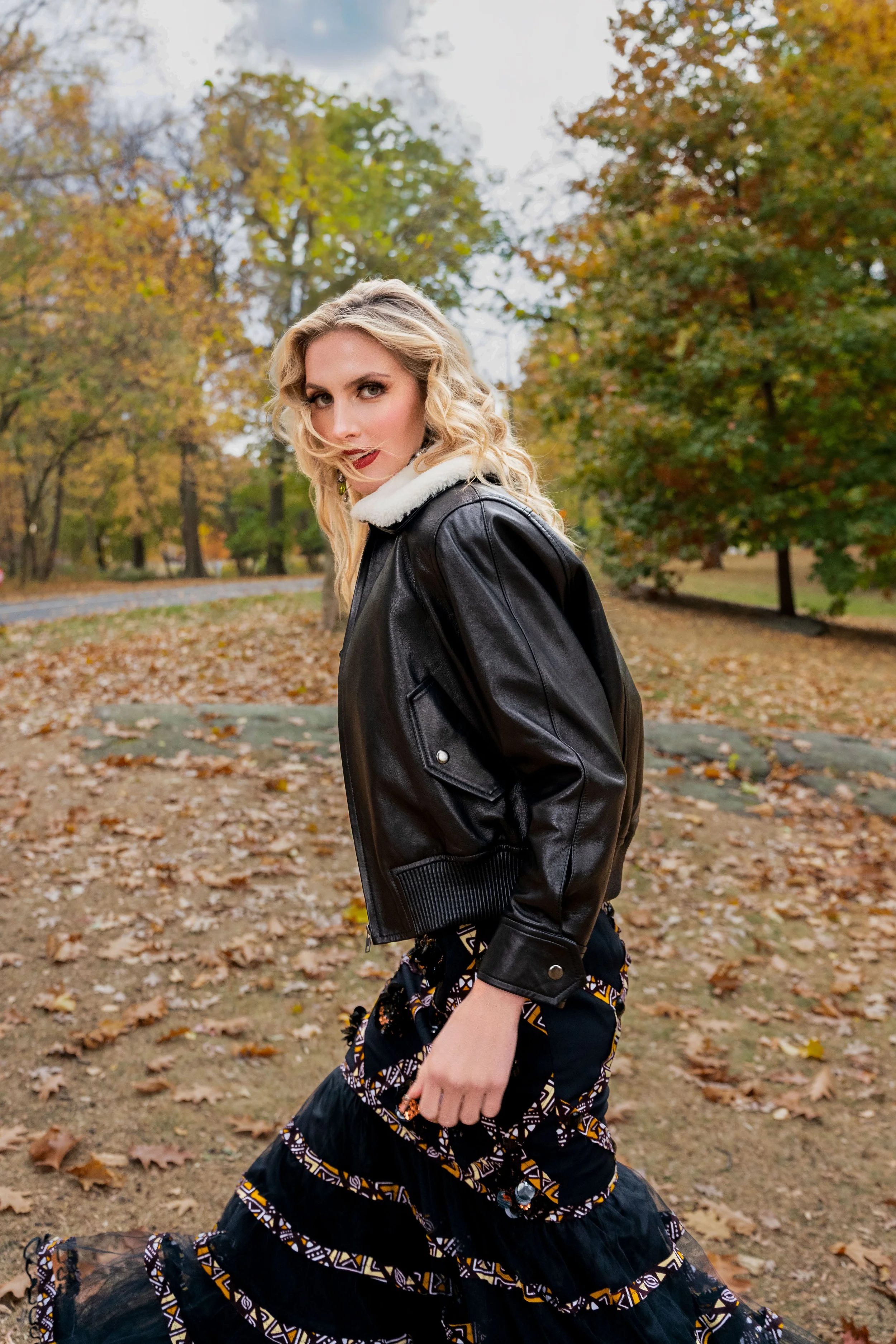
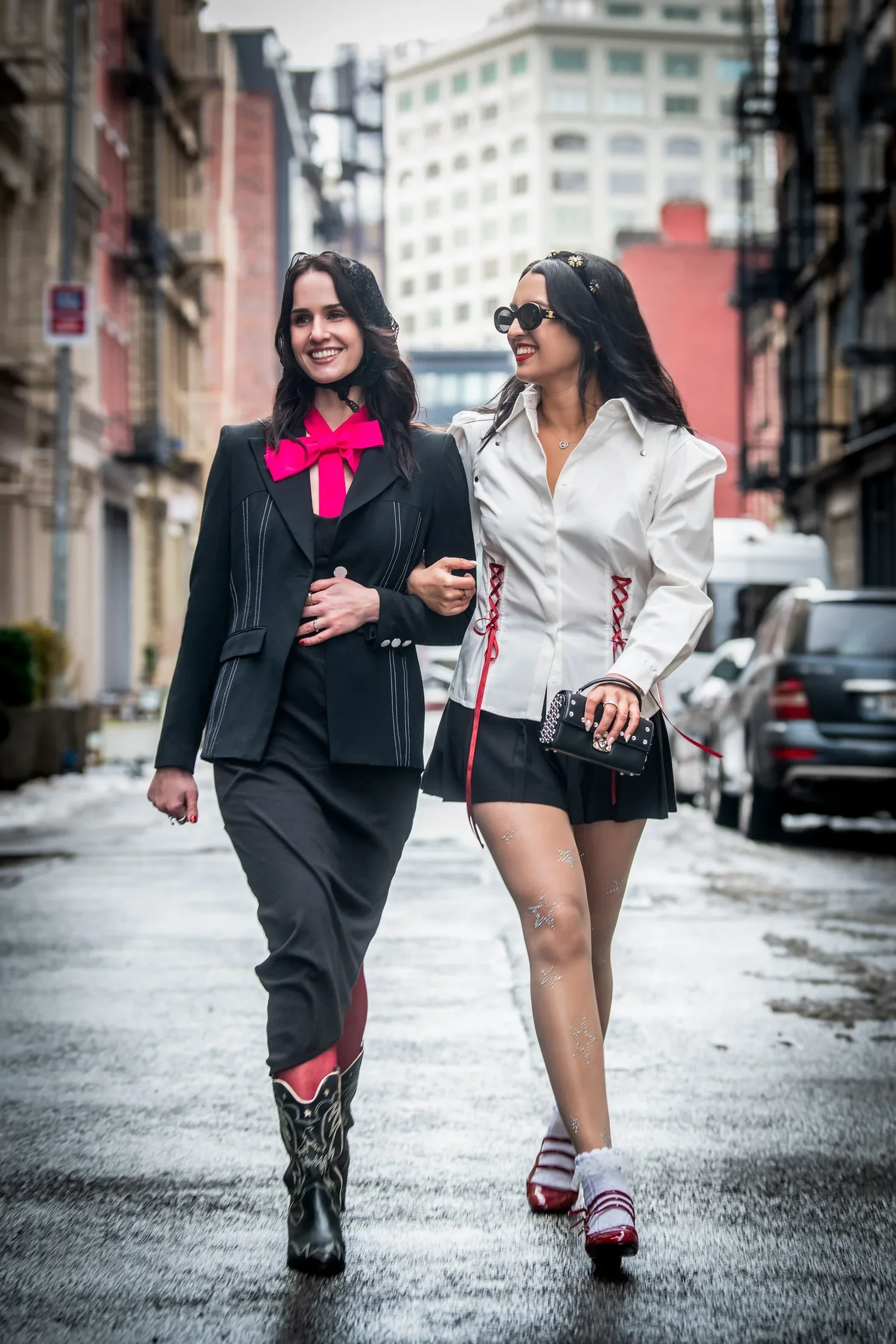
How the Sun's Angle Changes by Season
In fall and winter, the sun sits lower in the sky throughout the day, even at midday. In spring and summer, the sun sits higher overhead, especially around midday. This single shift affects almost everything else about outdoor shooting conditions.
Fall/Winter Lighting: Longer Golden Hour, Softer Overall Light
Characteristics:
The sun stays lower in the sky for more of the day, which means softer, more flattering light lasts longer — not just during a brief sunset window
Golden hour often stretches longer in the late afternoon compared to summer's short, high-intensity version
Shorter days mean less total daylight to work with, so shoots need tighter scheduling
Overcast days (common in NYC winters) create naturally soft, diffused light — excellent for beauty-adjacent fashion work without needing extra diffusion gear
Cooler color temperatures in natural light can complement moodier, more editorial concepts
What this means for planning: Fall/winter shoots often have more flexibility with midday light since the sun never gets as harsh overhead, but you'll need to plan around shorter total daylight hours and colder temperatures affecting model comfort and wardrobe practicality.
Spring/Summer Lighting: Harsher Midday, Short but Intense Golden Hour
Characteristics:
The sun sits high overhead for a large part of the day, creating harsh, unflattering shadows (especially under the eyes and nose) if shooting midday without diffusion
Golden hour is shorter and more intense, arriving later in the evening and lasting a narrower window
Longer days overall give more scheduling flexibility, but the best light is concentrated earlier and later in the day
Bright, saturated natural light suits vibrant, colorful, high-energy fashion concepts
Humidity and heat can affect hair, makeup longevity, and model comfort during longer sessions
What this means for planning: Spring/summer shoots generally require scheduling around golden hour more strictly, or using diffusion tools (scrims, reflectors, open shade) to manage harsh midday sun if a specific time slot is unavoidable.
Adjusting Your Shoot Plan by Season
Fall/WinterSpring/Summer Best shooting window Wider, soft light lasts longer Narrower, golden hour is shorter Midday shooting More forgiving Often needs diffusion or shade Total daylight Shorter days, tighter scheduling Longer days, more flexibility Natural light quality Softer, cooler tones Bright, harsher without diffusion Best for Moody, editorial concepts Vibrant, high-energy concepts
Studio Shoots Remove Seasonal Variables Entirely
If a concept depends on precise, repeatable lighting regardless of season, a studio shoot sidesteps all of this, see our studio vs. outdoor lighting guide for a full breakdown of when each makes sense. Many photographers lean more heavily on studio work in winter simply to avoid the scheduling constraints of shorter days.
Location Choices Shift by Season Too
Beyond lighting itself, seasonal foliage and conditions affect which NYC locations work best when. Parks that look lush and vibrant in spring/summer can look stark and bare in winter, which can work in your favor for a moodier concept, or against you if the shoot calls for greenery. Revisit your location options (see our rooftop and park location guides) with the current season's actual conditions in mind, not just how a location looked in reference photos from a different time of year.
Final Thoughts
NYC's light changes meaningfully across the seasons, fall/winter offers longer, softer light with less harsh midday sun, while spring/summer offers a shorter but more intense golden hour with more scheduling precision required. Planning your shoot's timing and concept around the season's actual light, rather than around a generic ideal, leads to noticeably stronger, more natural-looking results.
Planning a fashion shoot in NYC this season? Book a session and let's schedule around the light that works best for your concept.