
How to Build a Modeling Portfolio From Scratch
Every model starts with the same problem: agencies and clients want to see a portfolio, but you can't get a portfolio without shoots, and it can feel hard to get shoots without a portfolio. It's a real chicken-and-egg situation, but it's very solvable if you approach it in the right order. Here's how I'd build a portfolio from zero.
Start With Digitals, Not a Full Portfolio
Before you book any creative shoot, most agencies actually want to see digitals first — simple, unretouched photos taken in natural light with minimal makeup, showing your face and body clearly from multiple angles. These aren't meant to be beautiful; they're meant to be honest. A friend with a decent phone camera and some good window light can capture usable digitals. This is your true starting point, not your final portfolio.
Understand What a Portfolio Actually Needs to Show
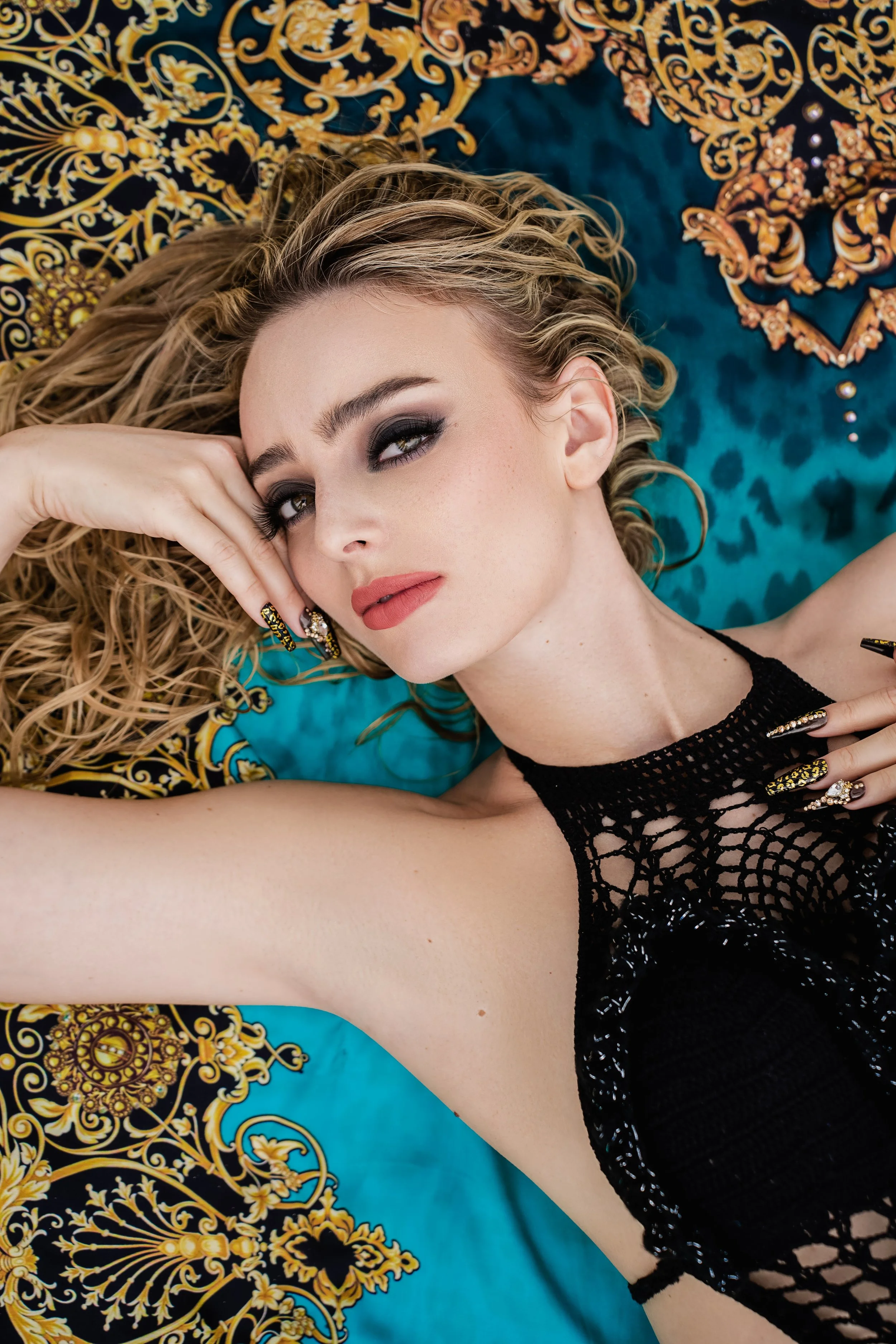
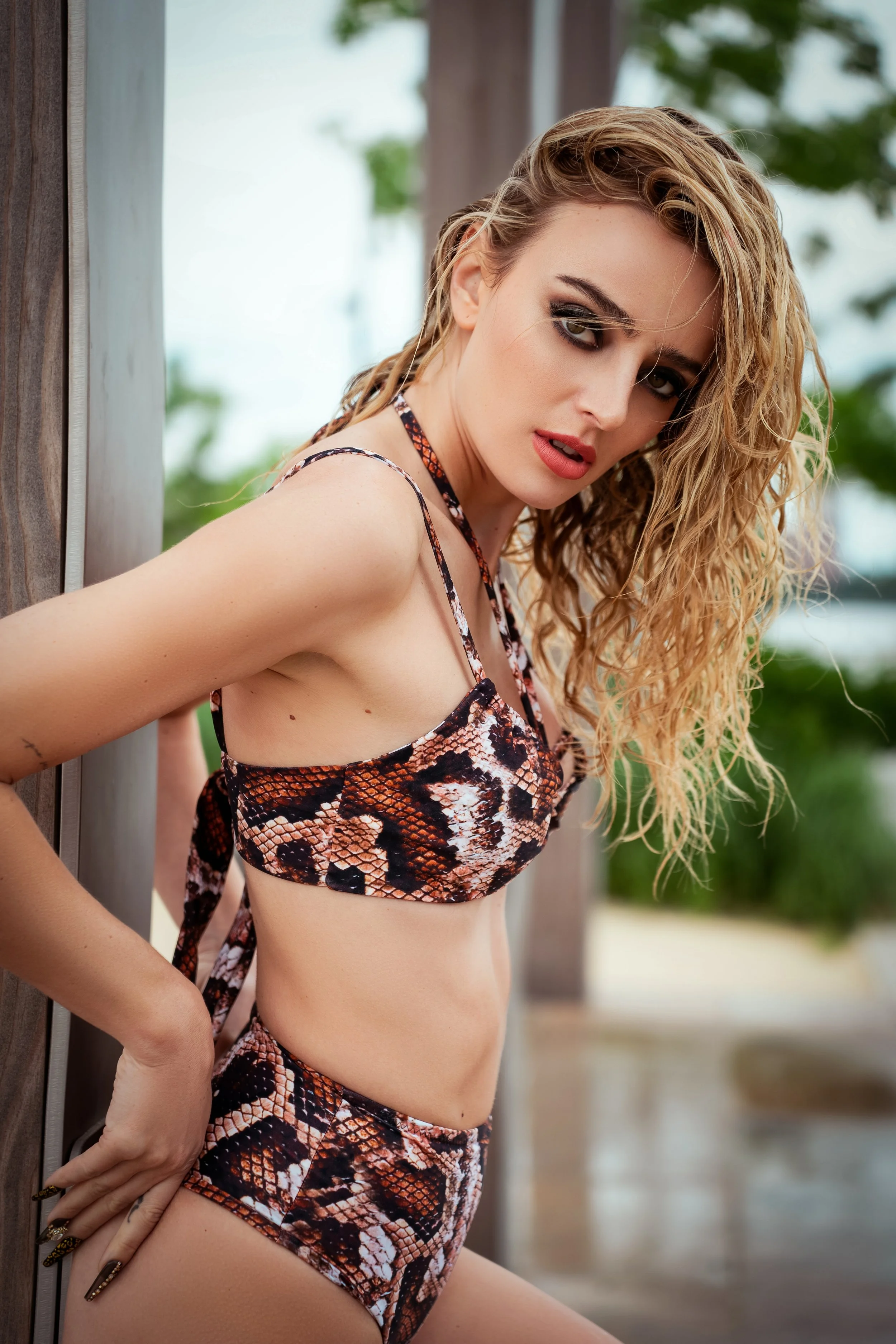
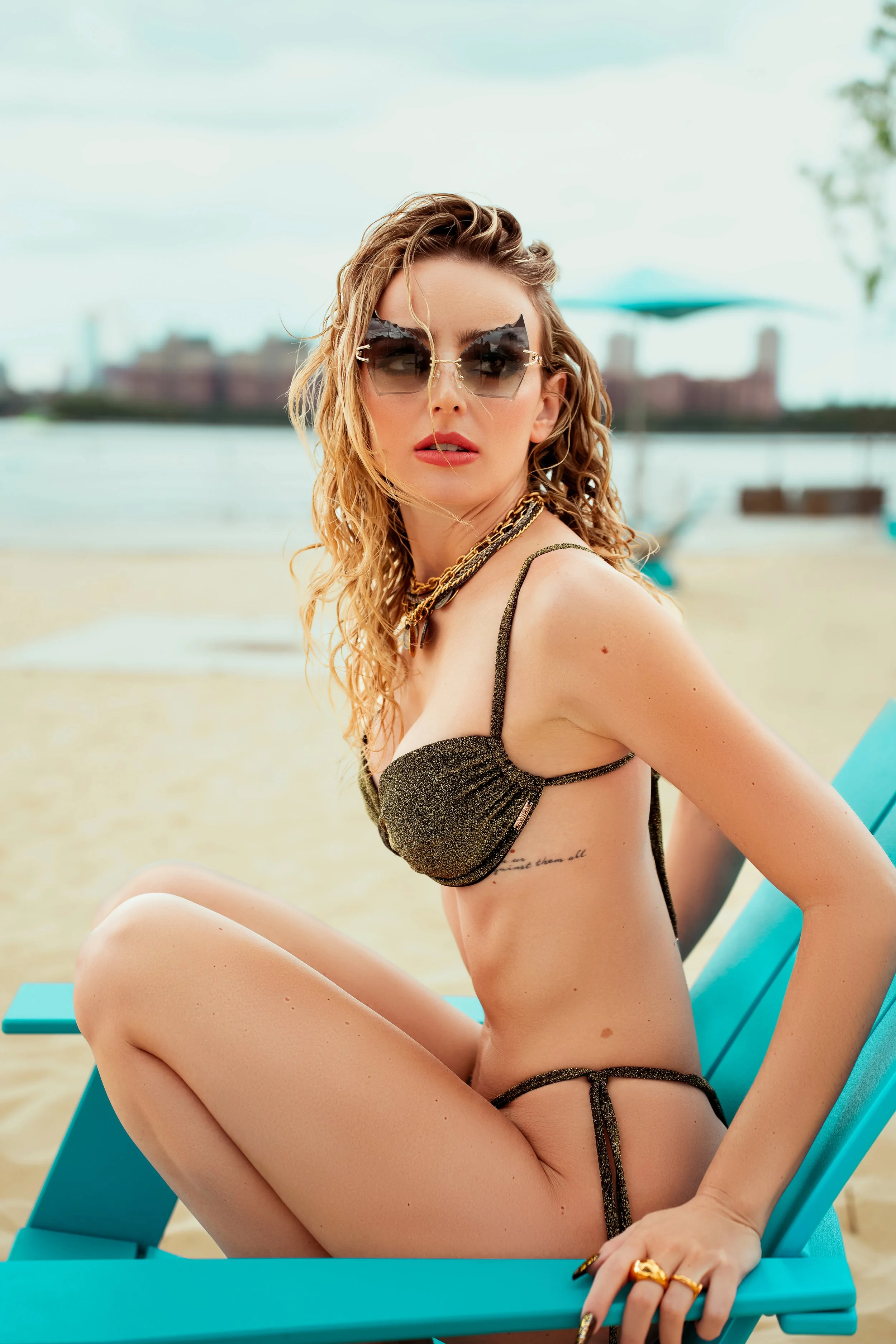
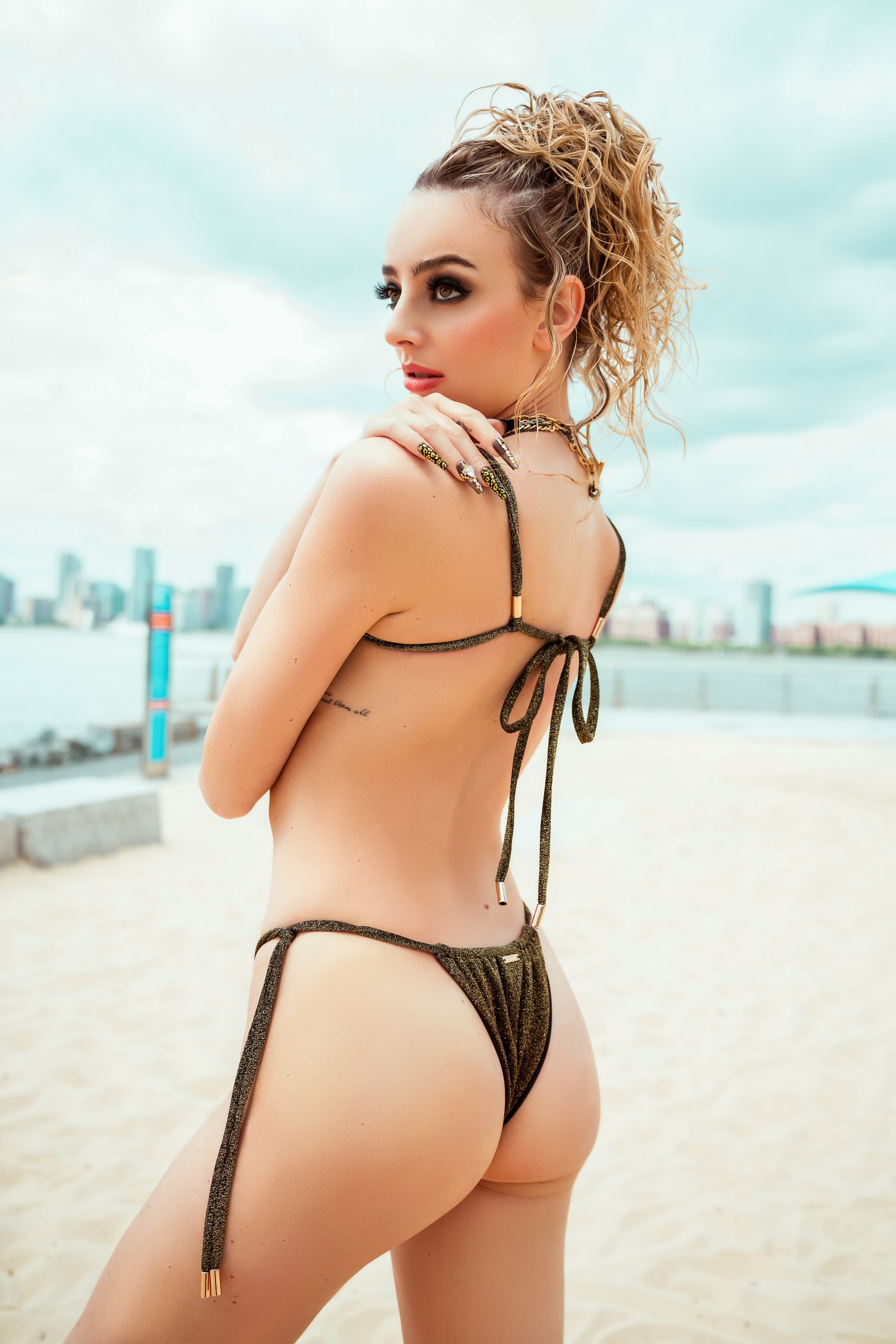
A strong beginner portfolio doesn't need to be huge, 8 to 12 strong images is plenty. But it needs to show range, not just your best angle repeated. Aim to include: A clean, simple headshot with a neutral expression A full-body shot showing posture and proportion One or two "commercial" looks — relatable, approachable, everyday styling One or two more editorial or fashion-forward looks showing personality and versatility A smiling/natural shot and a more serious/moody shot, to show emotional range
TFP Shoots: Your Realistic Starting Point
TFP ("Time for Print," sometimes "Time for Portfolio") shoots are collaborations where a photographer trades their time and skill for the ability to add the images to their own portfolio, in exchange for giving you images for yours. This is the most common and realistic way new models build a first portfolio without either side paying cash upfront. A few things to know before saying yes to a TFP shoot: Look at the photographer's actual portfolio, not just their Instagram follower count. Consistent lighting and editing quality matters more than volume of posts. Clarify image delivery in writing beforehand — how many final images, what turnaround, and whether you both get full usage rights. Meet in a public place first or bring someone with you if you haven't worked with the photographer before, and always shoot with a second person present or in a professional studio setting when possible. Confirm styling expectations. Know who's bringing wardrobe, whether hair/makeup is included, and what the concept actually is before shoot day.
Building Your Shot List for a First Portfolio Shoot
Come to your first proper portfolio shoot with a plan, not just an open concept. A good starting shot list covers: Headshot, simple background, natural light Three-quarter body shot, shows how you carry an outfit Full-body shot, shows proportion and movement One "editorial" concept shot with more creative styling or lighting One candid/movement shot, walking, laughing, looking away from camera
Common Mistakes to Avoid
Overusing filters or heavy retouching. Agencies want to see your real face and proportions — over-editing can actually work against you. Too many similar shots. Ten photos that all show the same angle and expression is far weaker than five photos that show real range. Skipping the digitals step. Jumping straight to a styled editorial shoot before you have simple, honest reference images can mean redoing work later. Not researching the photographer. A mismatched style (someone who only shoots heavy editorial when you need commercial-friendly images) can waste a shoot you needed to count.
Ready for Your First Portfolio Shoot?
I work with new and developing models across NYC to build portfolios that actually show what agencies and clients are looking for. Reach out and let's talk about where you're starting from and what your shot list should look like.