
What Makes a Photo "Editorial" vs. Just a Nice Photo?
I hear this a lot: "I want editorial photos." And when I ask what that means to them, most people describe something closer to "photos that look really good." Fair enough, but editorial is a specific thing, with its own intent and craft behind it. A photo can be technically flawless, perfectly lit, beautifully composed, and still not be editorial. So what's actually the difference?
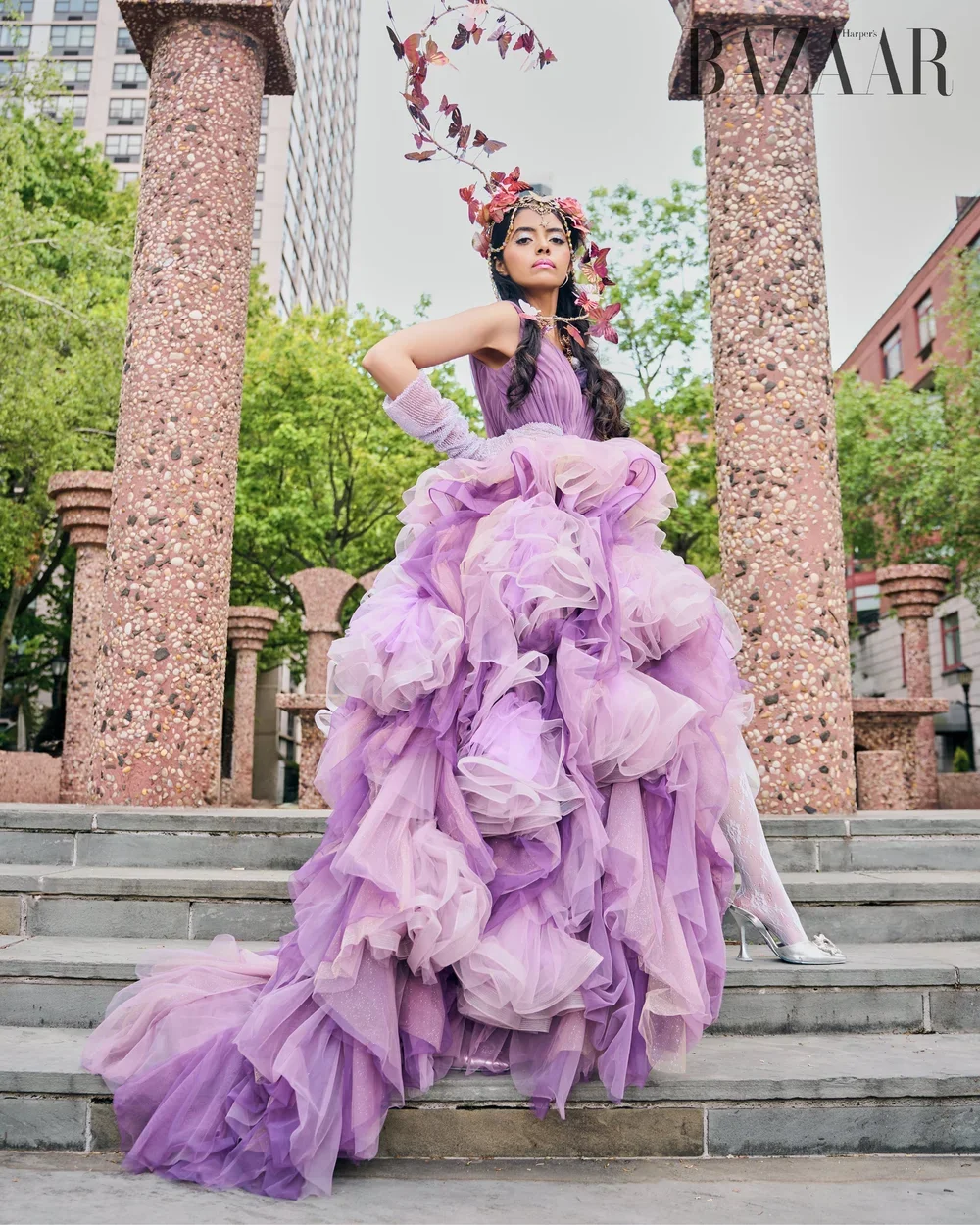
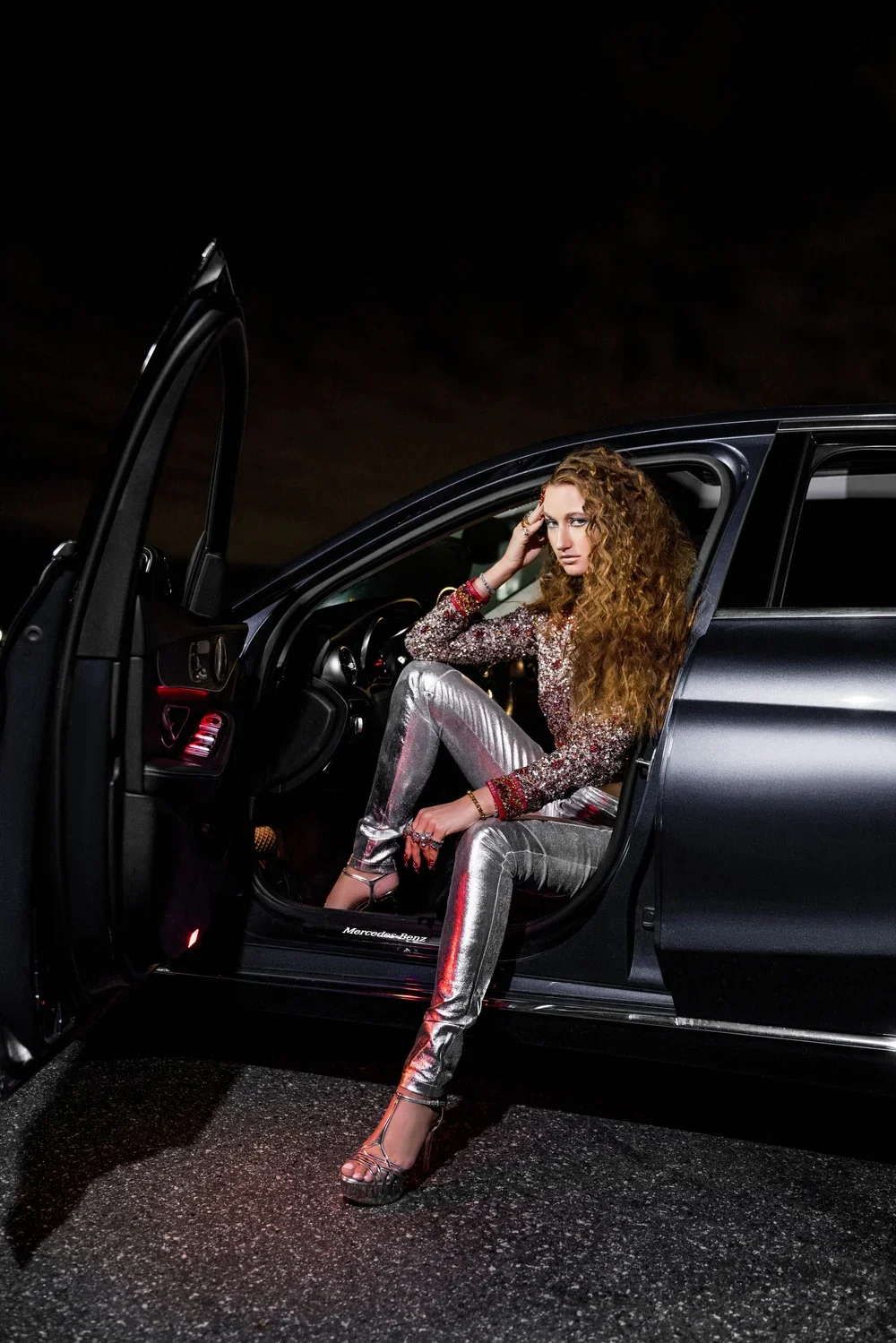
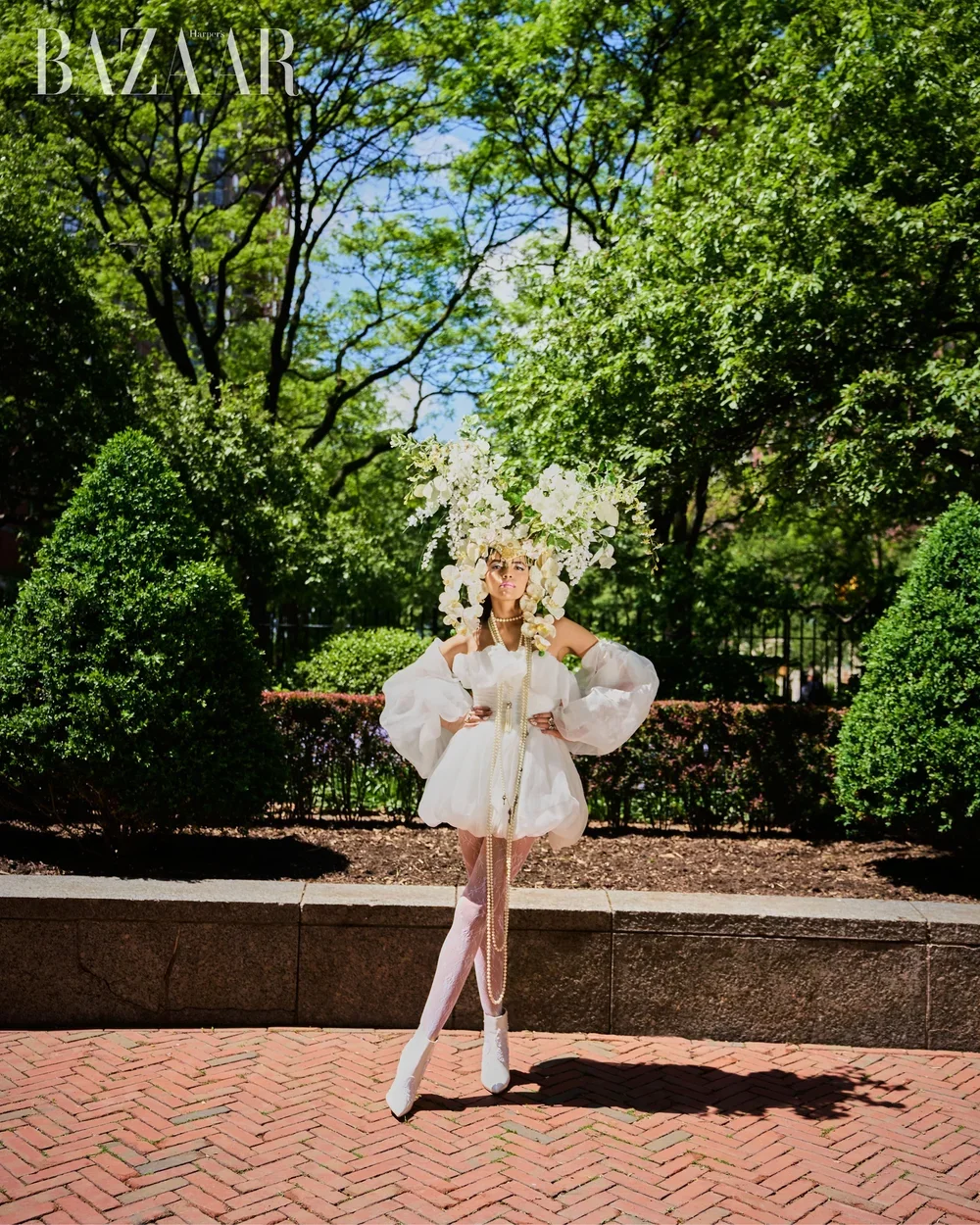

I hear this a lot: "I want editorial photos." And when I ask what that means to them, most people describe something closer to "photos that look really good." Fair enough — but editorial is a specific thing, with its own intent and craft behind it. A photo can be technically flawless, perfectly lit, beautifully composed, and still not be editorial. So what's actually the difference?
A Nice Photo Answers "Does This Look Good?" An Editorial Photo Answers "What Does This Make You Feel?"
A nice photo is competent. The exposure is right, the subject is in focus, the composition is balanced. It's the kind of image that gets a "wow, great photo" comment and is then scrolled past. An editorial photo is trying to do something more specific: it wants to stop you, hold your attention a beat longer, and leave an impression that outlasts the scroll. It's not just documenting how someone or something looked — it's building a mood, a tension, a story you can feel even without context. That difference in intent changes everything downstream: the lighting choices, the posing, the location, even the imperfections that get left in on purpose.
Five Things That Separate Editorial From "Just Nice"
1. A concept, not just a subject.
A nice photo is "a woman in a red dress, well lit." An editorial photo is "a woman in a red dress, alone at the edge of a nearly empty subway platform at night, caught mid-turn as if she just heard someone call her name." One is a subject. The other is a scene from a story we never fully see and that incompleteness is exactly what makes it compelling. Before a single frame is shot, editorial work starts with a concept: a mood, a narrative fragment, a why.
2. Intentional imperfection.
Nice photos tend to chase flawlessness perfect symmetry, everyone smiling, nothing out of place. Editorial photos often deliberately break that. A slightly turned-away face. Windblown hair mid-motion. A shadow crossing half the frame. These aren't mistakes; they're chosen because raw, imperfect moments read as more honest and more alive than a polished, static pose ever could.
3. Lighting and color that serve mood over flattery.
A nice photo lights a subject to look their best even, soft, universally flattering. Editorial lighting is willing to sacrifice some of that flattery for atmosphere: harsh directional shadows, underexposed corners, a cold or warm color grade that tints the entire emotional temperature of the image. The goal shifts from "make this person look good" to "make this moment feel like something."
4. Composition that leaves space for story.
Nice photos are usually centered, balanced, and complete, everything the viewer needs is right there in frame. Editorial composition often does the opposite: negative space that feels loaded with meaning, a subject pushed to the edge of the frame, something cropped out that makes you wonder what's just outside it. The composition itself implies there's more happening than what's shown.
5. It's part of a larger narrative, not a standalone shot.
A single nice photo works perfectly well alone. Editorial photography is almost always conceived as a set — a sequence of images that build a story together, the way a magazine spread unfolds across several pages. Even a single editorial image usually reads as though it were pulled from a larger, ongoing narrative you're only getting a glimpse of.
A Quick Way to Test It Yourself
Look at a photo and ask: if I removed all the context, would this still make me curious about what's happening? A nice photo, without context, is just a well-executed image of a person or product. An editorial photo, without context, still raises a question — who is she running from, what happened right before this, why is he standing in the rain in a suit. If the image prompts a question rather than just admiration, it's doing editorial work.
Why This Distinction Matters for Your Brand
This isn't just an academic difference, it affects what a shoot can do for you. Nice, polished product-style photography is exactly right for e-commerce, catalog work, and anywhere a customer needs to clearly evaluate what they're buying. But if you're trying to build brand identity, land press coverage, get noticed in a crowded market, or make people feel something about your collection before they've even read a word of copy — that's editorial's job, and it requires a fundamentally different creative approach from the first concept meeting onward, not just "better" lighting on the same shot.
Want Editorial Work for Your Next Shoot?
I approach every editorial project starting with concept, building the story before we ever discuss locations or wardrobe. If you're ready to move beyond "nice photos" into something with real narrative pull, let's talk about your concept.