
How I Build Campaign Concepts From Scratch: A Creative Framework
When I begin working on a campaign, I don't always have a clear picture of what the final photographs will look like. Sometimes there is a reference, a colour, a feeling or a small detail that keeps coming back to me. Other times, the direction is much less obvious.
What I try not to do is jump straight into making a moodboard full of beautiful images.
A campaign concept needs to be more than an aesthetic I like. It needs a reason to exist, and it needs to give me something I can actually work with when I get to the shoot.
Over time, I have developed a way of approaching this process. It isn't a fixed formula, but it helps me move from an initial thought to a visual direction that feels considered and has room to develop.
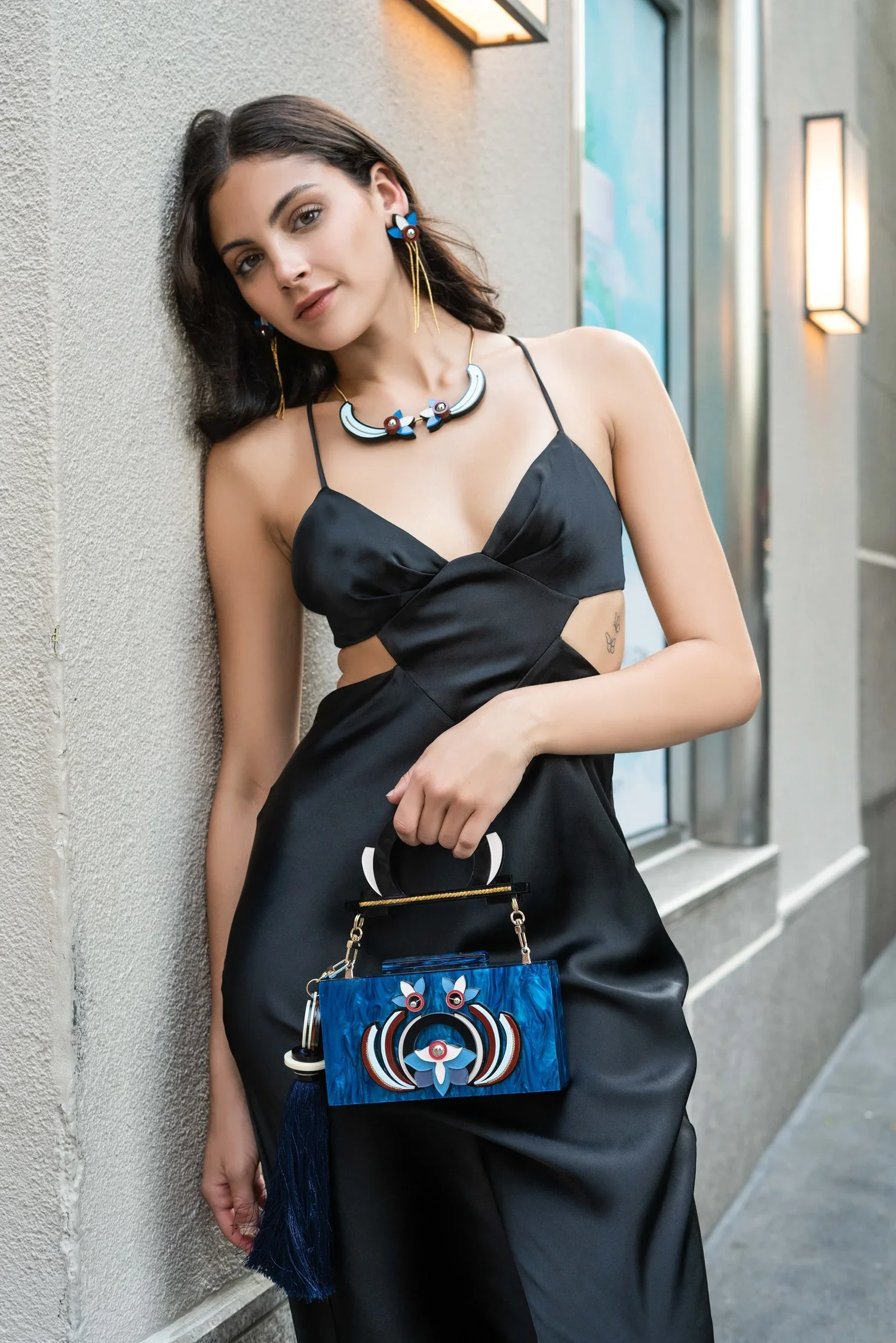
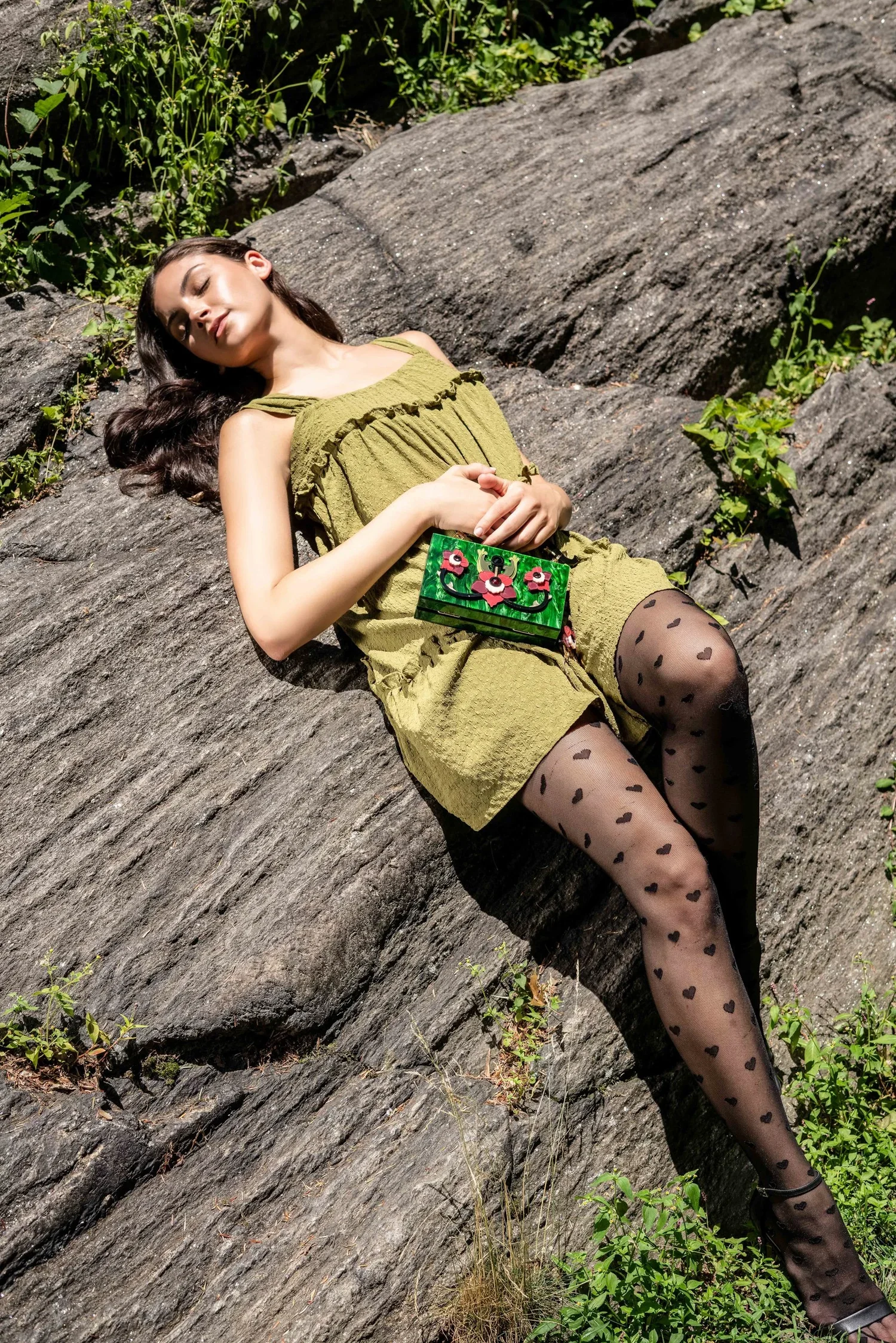
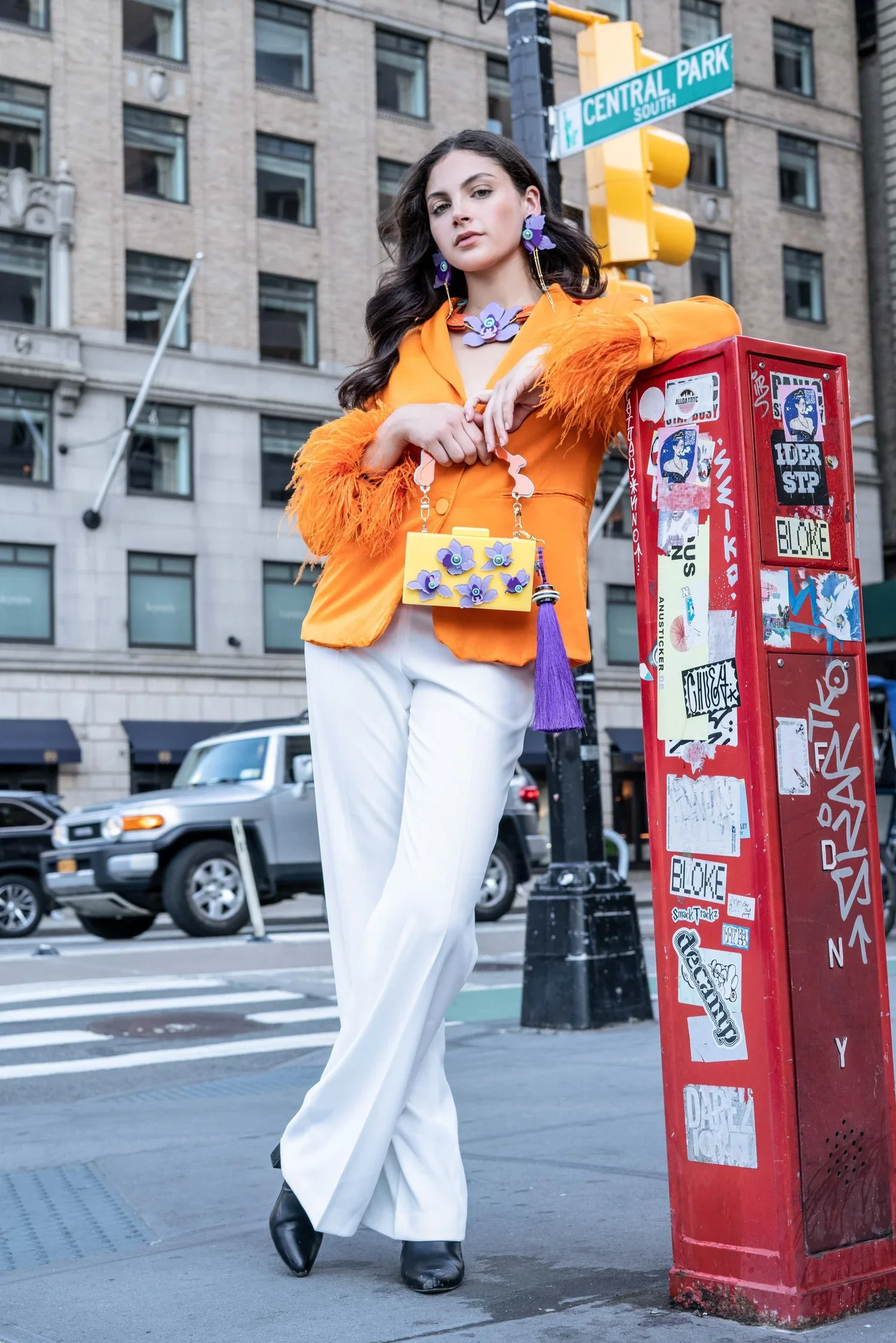
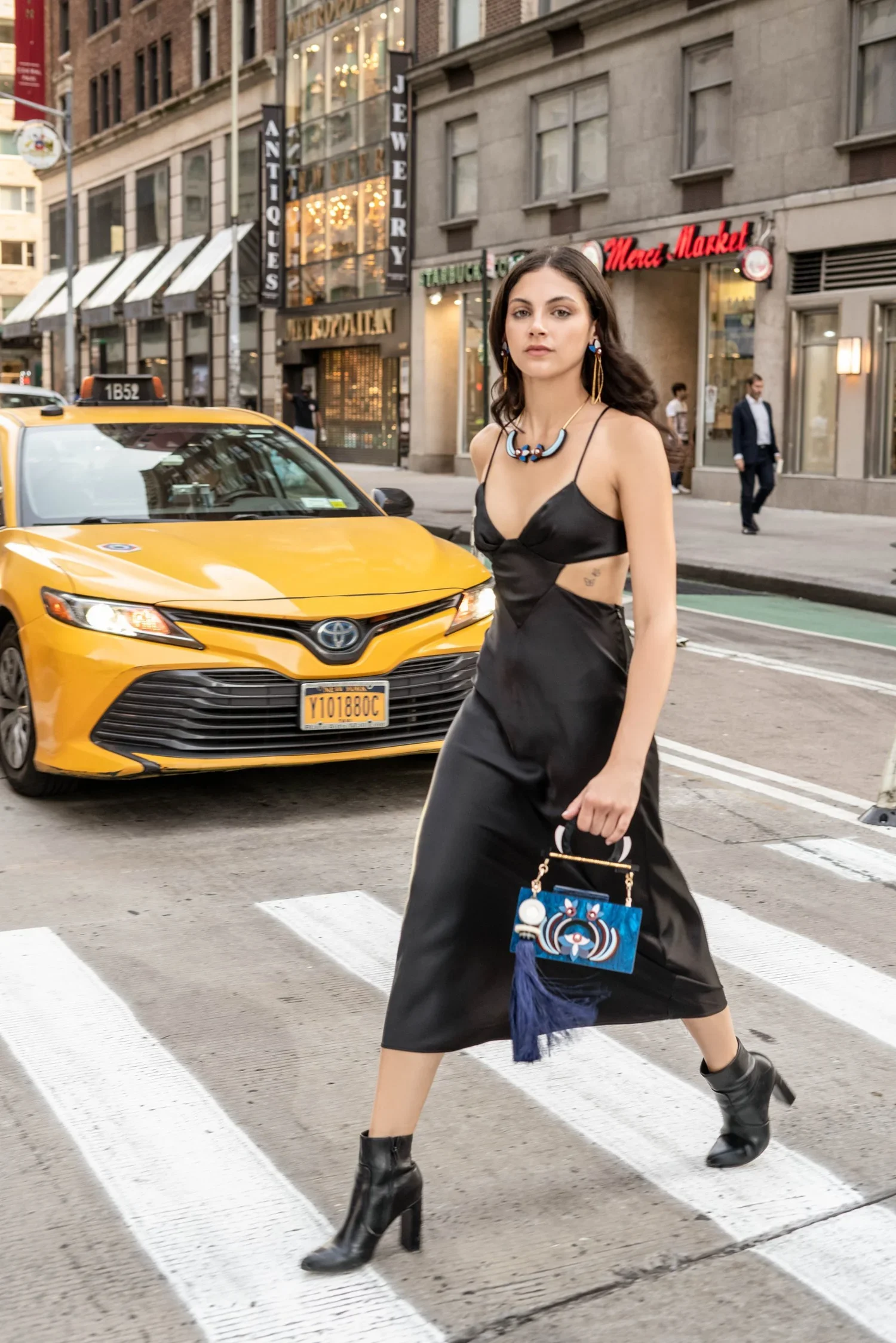
1. Start With the Question Behind the Campaign
Before I think about lighting, styling or location, I want to understand what the campaign is trying to communicate.
Is it introducing a new collection? Is the brand trying to establish a different visual identity? Is there a particular product or detail that needs to become the focus?
These questions sound straightforward, but they change the way I approach the entire shoot.
A beauty campaign, for example, might need to communicate the texture of a product while still feeling expressive and editorial. A fashion campaign might need to make the silhouette of a garment clear without losing the atmosphere around it.
I find it useful to reduce the brief to one central question:
What should someone remember about these images after they have stopped looking at them?
That becomes the starting point. It doesn't tell me exactly what to photograph, but it gives me a direction to move towards.
2. Find the Idea That Makes the Campaign Different
Once I understand the brief, I begin looking for the visual idea.
This is usually where research, references and conversations become important. I might look at photography, film, painting, architecture or something completely unrelated to fashion. I am not necessarily looking for a photograph to recreate. I am looking for an element that could become interesting in a different context.
It could be a particular relationship between colour and shadow. It could be the way fabric moves, the shape of a flower or the feeling of a space.
The important part is figuring out why that reference interests me.
If I am drawn to a photograph because of its lighting, I want to understand what the lighting is doing. If I like the way a model is positioned, I want to understand the energy of that pose rather than simply copying it.
That distinction matters. References help me think, but the campaign should eventually have its own identity.
3. Build a Visual World Around the Concept
After I have a central idea, I begin translating it into the elements that will actually appear in the photographs.
This is where the moodboard starts to take shape.
I think about the colour palette, the background, the styling, the beauty direction, the kind of light I want and the relationship between the subject and the environment.
For me, these elements should feel connected.
A dark background with soft, directional light creates a very different atmosphere from a bright set with hard shadows. Neither is inherently better. The question is whether the choice supports the idea I am trying to communicate.
I also think about what the campaign should avoid. Sometimes that is just as useful as deciding what to include.
If the images are meant to feel intimate, I may avoid overly elaborate compositions. If the styling is already visually strong, I might keep the background simpler so the frame doesn't become crowded.
The moodboard is not a collection of images I want to copy. It is a way of making the visual direction clear before the shoot begins.
4. Think About the Model, Not Just the Styling
One of the things I consider early is the kind of presence I want in the photographs.
A campaign can have beautiful styling, a carefully built set and excellent lighting, but the images still need a human element that brings everything together.
I think about how the model should feel in the environment. Should the portraits be direct and still? Should there be movement? Should the expression feel relaxed, intense or somewhere in between?
These are not instructions to force a particular expression into every frame. They help establish the energy of the shoot.
I also think about casting in relation to the concept. The model's presence, movement and ability to connect with the camera can influence how the entire campaign develops.
Sometimes a small change in expression or position creates a photograph that feels much more interesting than the original plan.
5. Turn the Concept Into Something We Can Shoot
At some point, the idea has to move beyond a moodboard.
I begin thinking about what the set needs, which looks we should photograph, how the lighting will work and what the most important images are.
I like having a clear shot plan, particularly for the images the campaign absolutely needs. But I don't want every moment on set to be predetermined.
A good concept should give the team direction without making the shoot feel mechanical.
I might have a particular portrait in mind, but once the model is in front of the camera, the light, movement or styling may suggest something different. If that new direction still belongs to the original idea, I am happy to explore it.
The framework is there to keep the shoot connected, not to prevent it from changing.
6. Make the Decisions That Give the Campaign Its Character
This is where the concept becomes more specific.
I begin asking smaller questions. How close should the camera be? Does the background need texture? Should the light reveal every detail or allow some areas to fall into shadow? Is the frame better with movement or stillness?
Each decision changes the feeling of the photograph.
I am particularly interested in the relationship between light and the subject. The way light falls across skin, fabric or a set can create a sense of depth without adding anything else to the frame.
I also pay attention to the details that might seem minor during production but become important in the final images. A flower sitting differently, a piece of fabric catching light or a slight change in the model's position can shift the entire composition.
That is often where the most interesting photographs begin to appear.
7. Let the Images Develop, Then Edit With a Clear Point of View
After the shoot, I look at the images as a series rather than judging every photograph on its own.
I want to understand which frames express the original concept most clearly. Which images have the right energy? Which ones feel connected? Is there a photograph that takes the idea somewhere unexpected but still feels like it belongs?
Editing is not simply choosing the technically best images. It is deciding which photographs make the strongest campaign together.
Sometimes an image that looked perfect on the monitor doesn't have the same feeling when I look at the complete series. Another photograph, perhaps a quieter or less obvious frame, may end up being the one that holds everything together.
I try to keep the final selection focused. Not every good photograph needs to be part of the campaign.
A Framework, Not a Formula
When I look back at the campaigns I have worked on, the process is rarely as straightforward as it sounds on paper.
An idea changes when it meets the model, the styling, the light and the actual environment. Sometimes the final images are very close to the original thought. Sometimes they are something I couldn't have planned at the beginning.
That is why I don't think creative direction should be about having every detail figured out in advance.
For me, the process is about starting with a clear idea, making decisions that support it and staying open to what happens during the shoot.
The concept gives the images a point of view. The work in front of the camera is what brings it to life.