
How I Approach Fashion Photography as Visual Direction, Not Just Shooting
When I approach a fashion shoot, I don't begin by thinking about the camera.
I begin by thinking about what I want the images to feel like.
The camera is an important part of the process, of course. But the photograph is shaped by decisions that happen before I take it: the choice of styling, the way the model is directed, the quality of light, the colours in the frame and the atmosphere we create around the subject.
For me, fashion photography is not simply about making a garment look good. It is about deciding how that garment, the person wearing it and the world around them should come together in an image.
That is where visual direction begins.
The idea comes before the photograph
A fashion campaign usually has a brief. There may be a collection to introduce, a particular audience to reach or a visual identity the brand wants to establish.
I use that brief as a starting point, but I don't want the final images to feel like a checklist of requirements.
I look for a central idea that can guide the photographs. It might be a certain mood, a relationship between colour and light, or a way of presenting the model that feels right for the collection.
Once I have that direction, I can begin making more specific decisions.
Should the images feel intimate or distant? Should the model look directly into the camera or exist more naturally within the scene? Should the styling be the strongest element in the frame, or should the atmosphere around it carry equal weight?
These questions help me understand what I am trying to create before I start shooting.
Styling is part of the composition
I don't see styling as something that happens separately from photography.
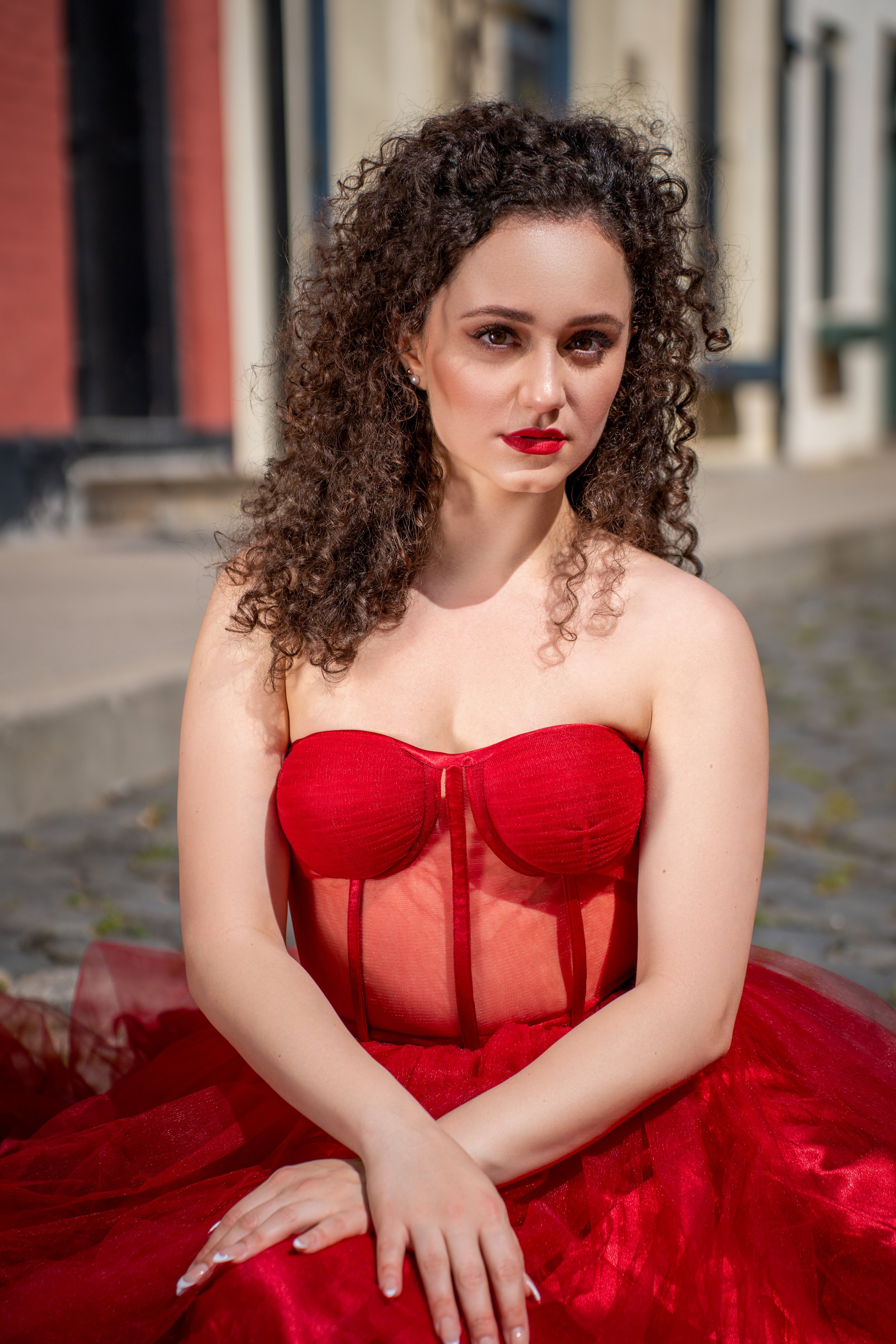
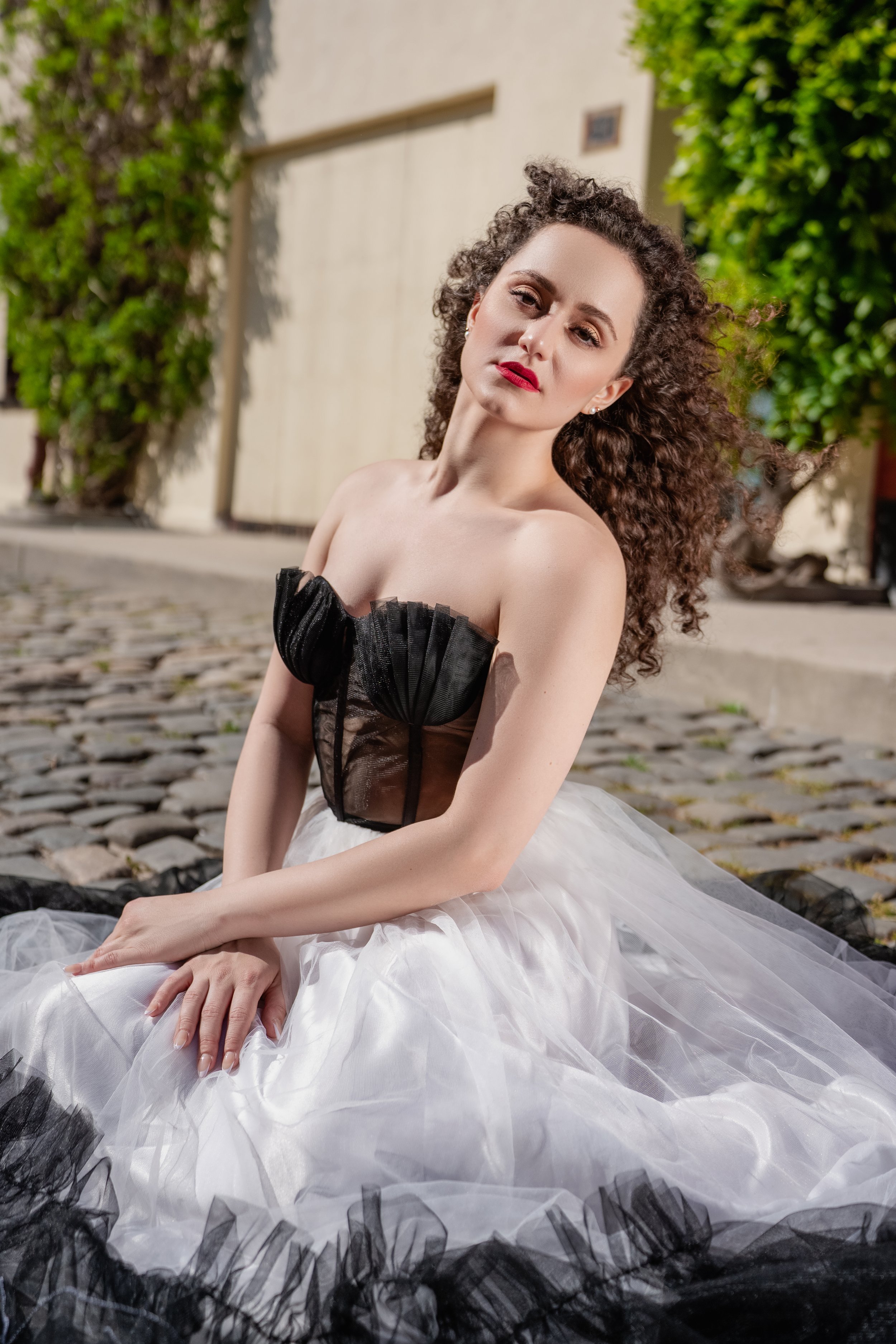
The clothes, accessories, hair and makeup all change the way an image reads. A structured garment creates a different silhouette from something loose and flowing. A strong beauty look can become the centre of a portrait, while a quieter one may allow the clothing to take more attention.
I think about how these elements sit within the frame.
Sometimes a detail in the styling becomes the starting point for the entire composition. The shape of a sleeve, the texture of a fabric or the way a colour contrasts with the background can influence where I position the model and how I light the scene.
When styling and photography work together, the image feels more connected. Nothing appears to have been added simply because it looks good on its own.
Directing the model is part of the work
One of the things I pay close attention to on set is the model's energy.
A pose can be technically correct and still feel empty. I am interested in what happens when the model begins to inhabit the image rather than simply hold a position.
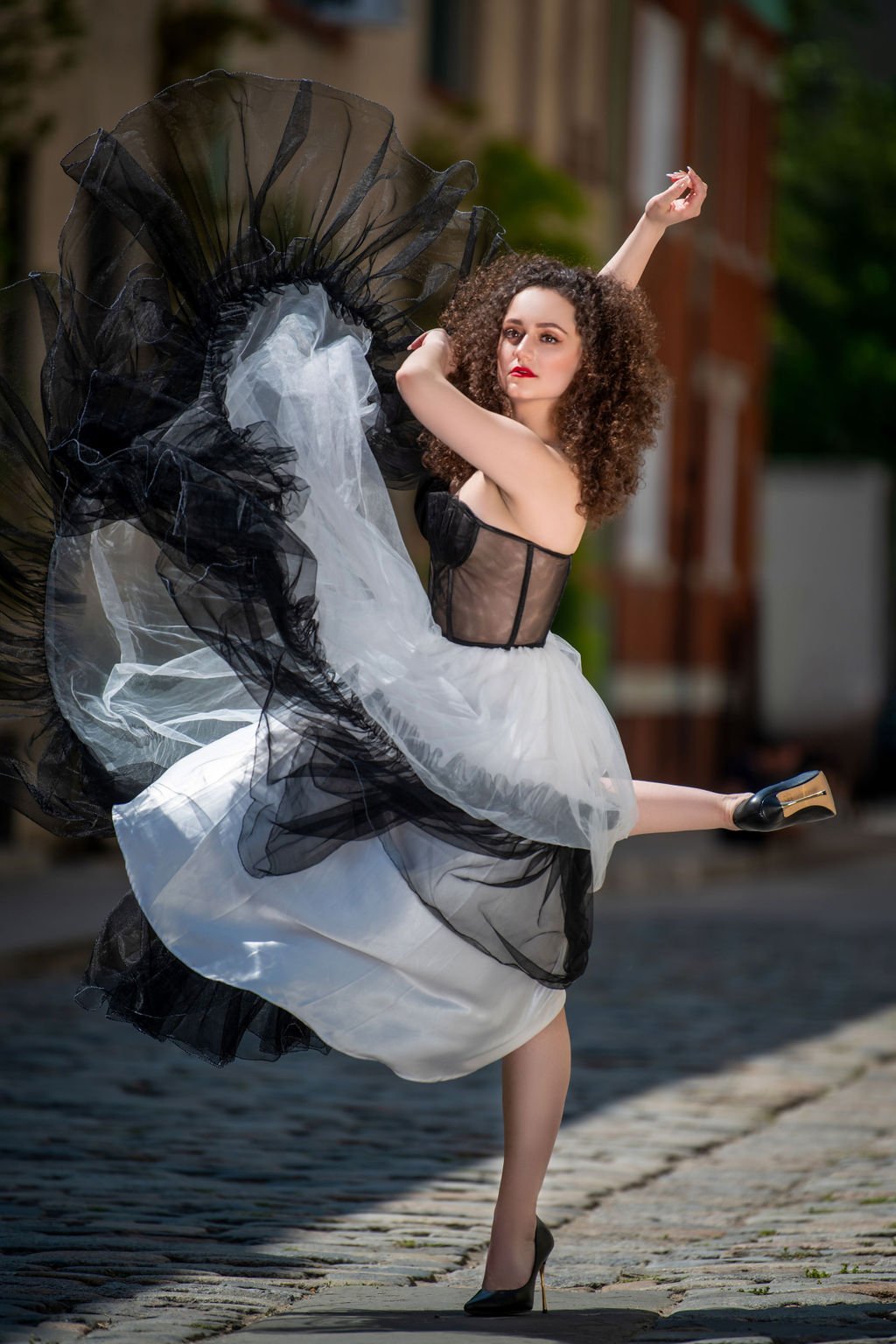
That might mean asking for a small movement instead of a fixed pose. It might mean changing the direction of the gaze, allowing the shoulders to relax or giving the model a little more space to respond naturally.
I don't always want a perfect, symmetrical pose. Sometimes a slightly unexpected position creates a more interesting silhouette or gives the photograph a sense of life.
The direction needs to support the concept, but it also needs to leave room for the person in front of the camera.
Light is more than a technical decision
Lighting is one of the strongest tools I have for shaping the visual direction of a campaign.
The same styling and model can feel completely different under different light.
Soft light can bring a sense of intimacy to a portrait. More directional light can introduce contrast and make the image feel stronger. Shadows can simplify a frame by removing details, or they can become an important part of the composition themselves.
I don't think there is one lighting approach that defines good fashion photography.
What matters is understanding what the light is doing in relation to the subject. Is it bringing attention to the garment? Is it shaping the face? Is it creating an atmosphere that supports the rest of the image?
Those are creative decisions as much as technical ones.
Working with the unexpected
A shoot rarely follows the original plan exactly.
The model might move in a way I hadn't anticipated. The styling may look different once it is under the lights. A particular angle might reveal something that wasn't obvious during preparation.
I try to stay open to these moments.
That doesn't mean abandoning the visual direction every time something unexpected happens. It means recognising when an unplanned detail adds something to the image.
Sometimes the best photograph comes from a small adjustment rather than a completely new idea. Moving the camera slightly, changing the model's position or allowing a moment to continue can make the frame feel more natural.
For me, visual direction provides a foundation. It should make it easier to recognise which unexpected moments are worth following.
The final image is a result of many decisions
When I look at a finished fashion photograph, I see more than the moment the shutter was pressed.
I see the choices that shaped it: the concept that established the mood, the styling that created the silhouette, the light that gave the frame its depth and the direction that brought the model into the image.
That is why I approach fashion photography as visual direction rather than just shooting.
The camera records the moment, but the creative process determines what that moment becomes.
And for me, that is the part of fashion photography I keep coming back to — not simply capturing what is in front of me, but finding a way to make the image feel like it belongs to a larger idea.