
Why Storytelling Matters More Than Products in Fashion Marketing
The fashion industry has never been more competitive. Consumers are exposed to thousands of products every day across social media, e-commerce platforms, advertisements, and influencer content. In a marketplace crowded with similar designs, trends, and price points, simply showcasing a product is no longer enough to capture attention.
The brands making the biggest impact today are not just selling clothing, accessories, or beauty products, they are selling stories.
From luxury fashion houses to emerging independent labels, storytelling has become one of the most powerful tools in modern fashion marketing. It transforms products into experiences, creates emotional connections, and gives consumers a reason to choose one brand over another.
At Parish Mandhan Productions, we believe that the most memorable fashion campaigns are built around compelling narratives rather than individual products. Great visuals don't just show what a product looks like—they communicate what it feels like to be part of the brand's world.
Consumers Buy Emotion Before They Buy Products
Fashion has always been about more than functionality.
People don't purchase a jacket simply because it keeps them warm. They buy it because of how it makes them feel. They invest in a luxury handbag because of the lifestyle it represents. They choose a fashion brand because it aligns with their identity, values, and aspirations.
This emotional connection is where storytelling becomes essential.
A product can explain features, but a story creates meaning.
When consumers connect emotionally with a brand, they are more likely to remember it, trust it, and remain loyal to it over time.
Fashion Is an Expression of Identity
Unlike many industries, fashion is deeply personal.
The clothes people wear communicate who they are, what they believe, and how they want to be perceived. Because fashion is tied so closely to identity, consumers naturally gravitate toward brands whose stories reflect their own values and aspirations.
Successful fashion brands understand this.
Rather than focusing solely on products, they build narratives around:
Self-expression
Confidence
Creativity
Individuality
Empowerment
Community
Lifestyle
The strongest fashion marketing helps consumers see themselves within the story being told.
Products Can Be Copied, Stories Cannot
One of the biggest challenges in fashion is product replication.
Designs can inspire competitors. Trends can spread quickly. Similar products often appear across multiple brands within a short period of time.
What cannot be easily copied is a brand's unique story.
A compelling narrative creates differentiation that goes beyond fabrics, colors, or silhouettes. It establishes a deeper identity that competitors cannot replicate.
The brands that endure are often remembered not for a specific product, but for the story they consistently tell.
Storytelling Creates Memorable Campaigns
Think about the fashion campaigns that stay with you long after you've seen them.
Most people don't remember every product featured. Instead, they remember:
The mood
The emotion
The characters
The atmosphere
The message
This is because human beings are naturally wired to remember stories.
A well-crafted narrative gives context to a collection and transforms a photoshoot into an experience. Rather than simply displaying garments, storytelling invites audiences into a world they want to explore.
This is where visual storytelling becomes one of the most valuable assets in fashion photography and filmmaking.
Modern Consumers Expect More Than Product Images
Today's audiences consume content at an unprecedented rate.
Scrolling through social media, they encounter countless product photographs every day. To stand out, brands must offer something deeper than another image of a model wearing clothing.
Consumers increasingly want to understand:
Why the collection exists
What inspired the designs
What values the brand represents
Who the people behind the brand are
How the products fit into a larger lifestyle
Storytelling answers these questions while creating a stronger emotional connection.
Photography Plays a Critical Role in Storytelling
Fashion photography has evolved far beyond catalog-style product imagery.
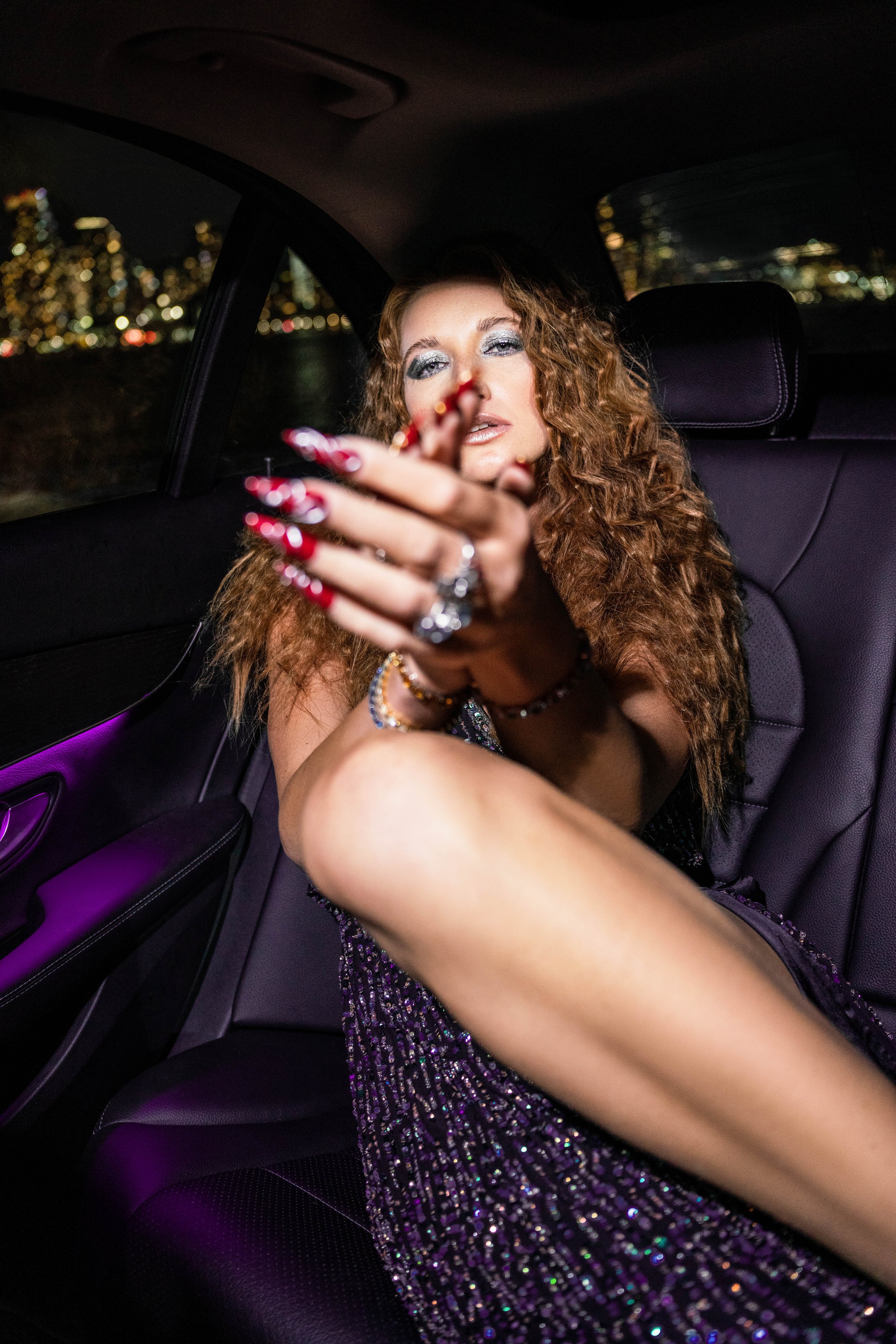
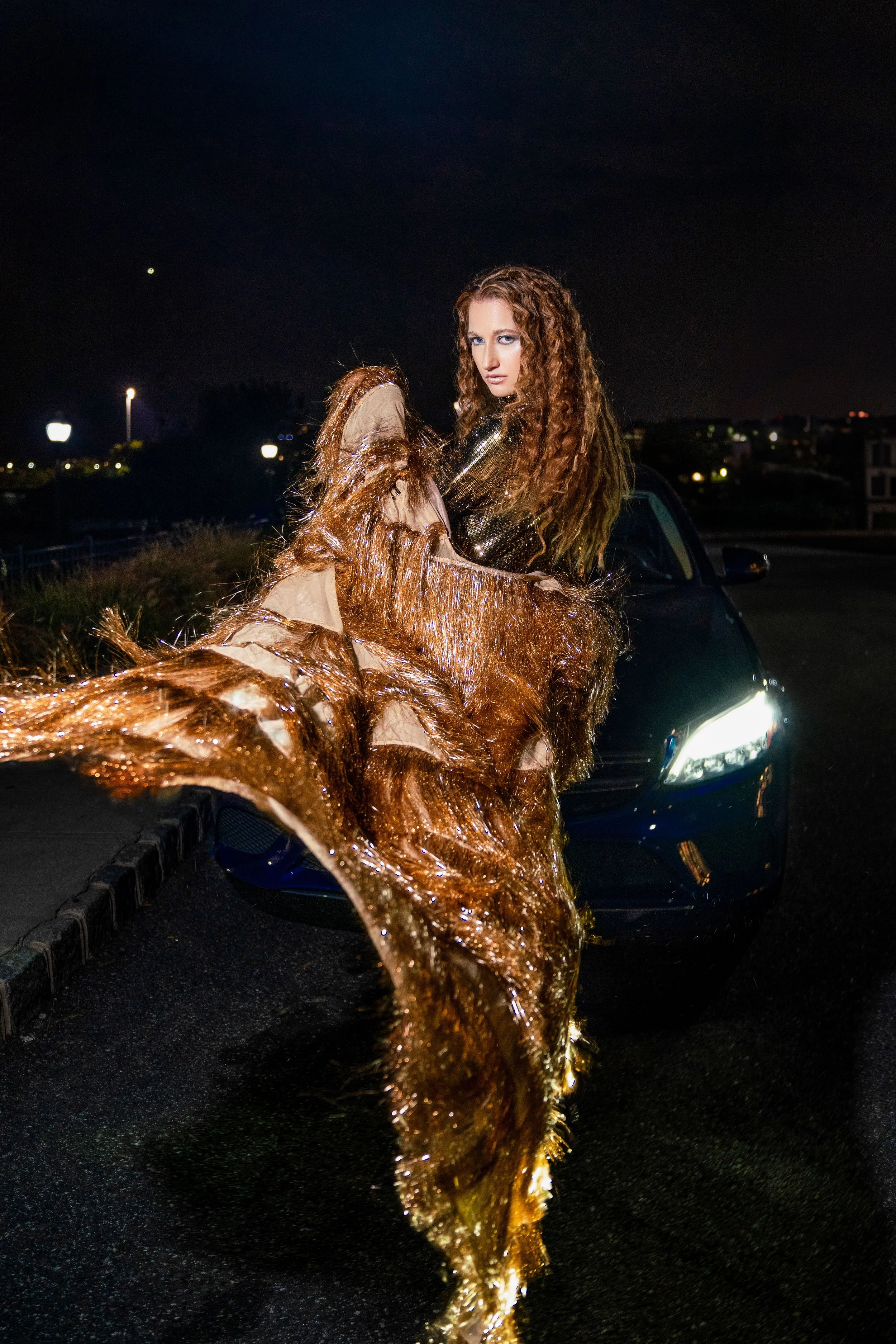
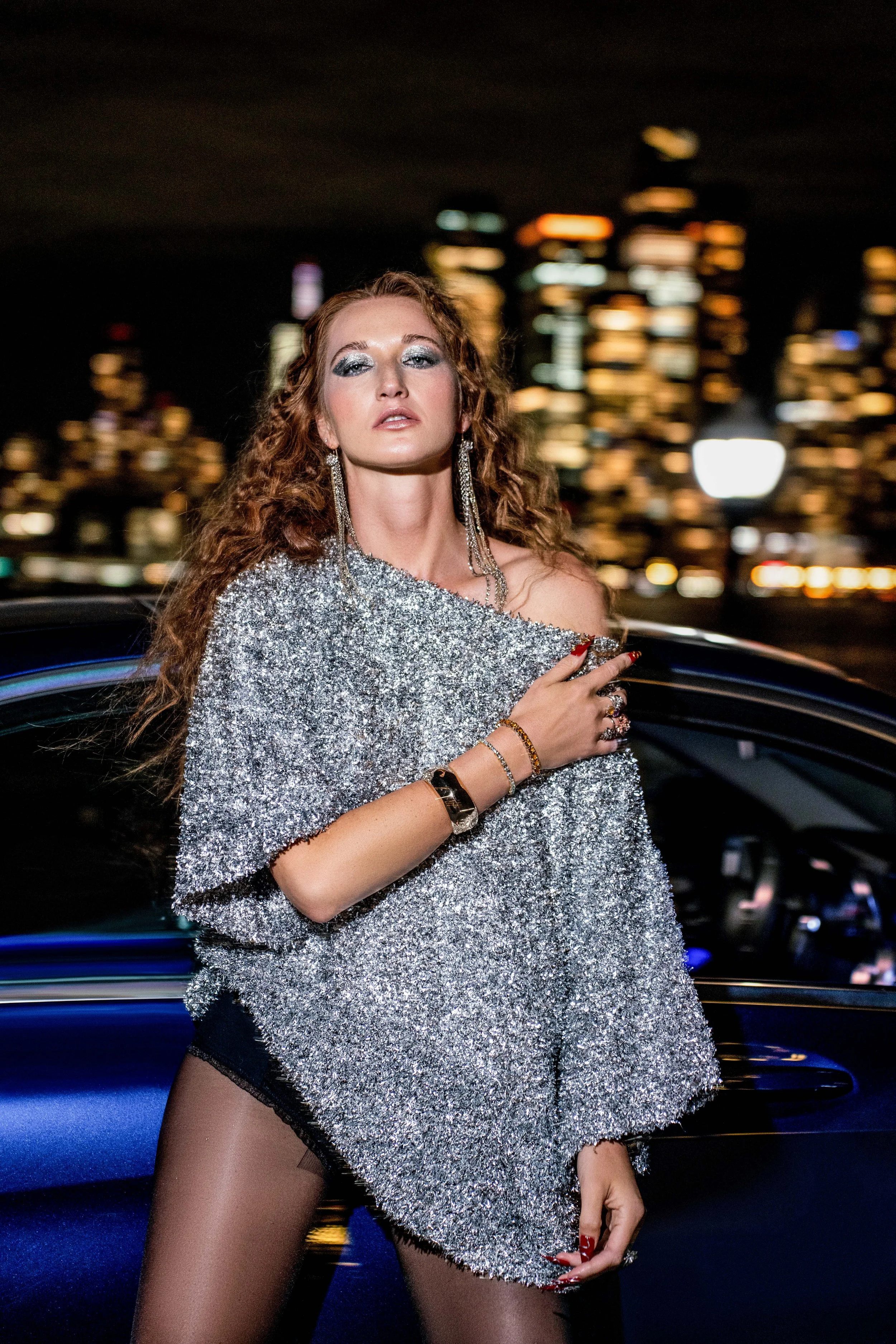
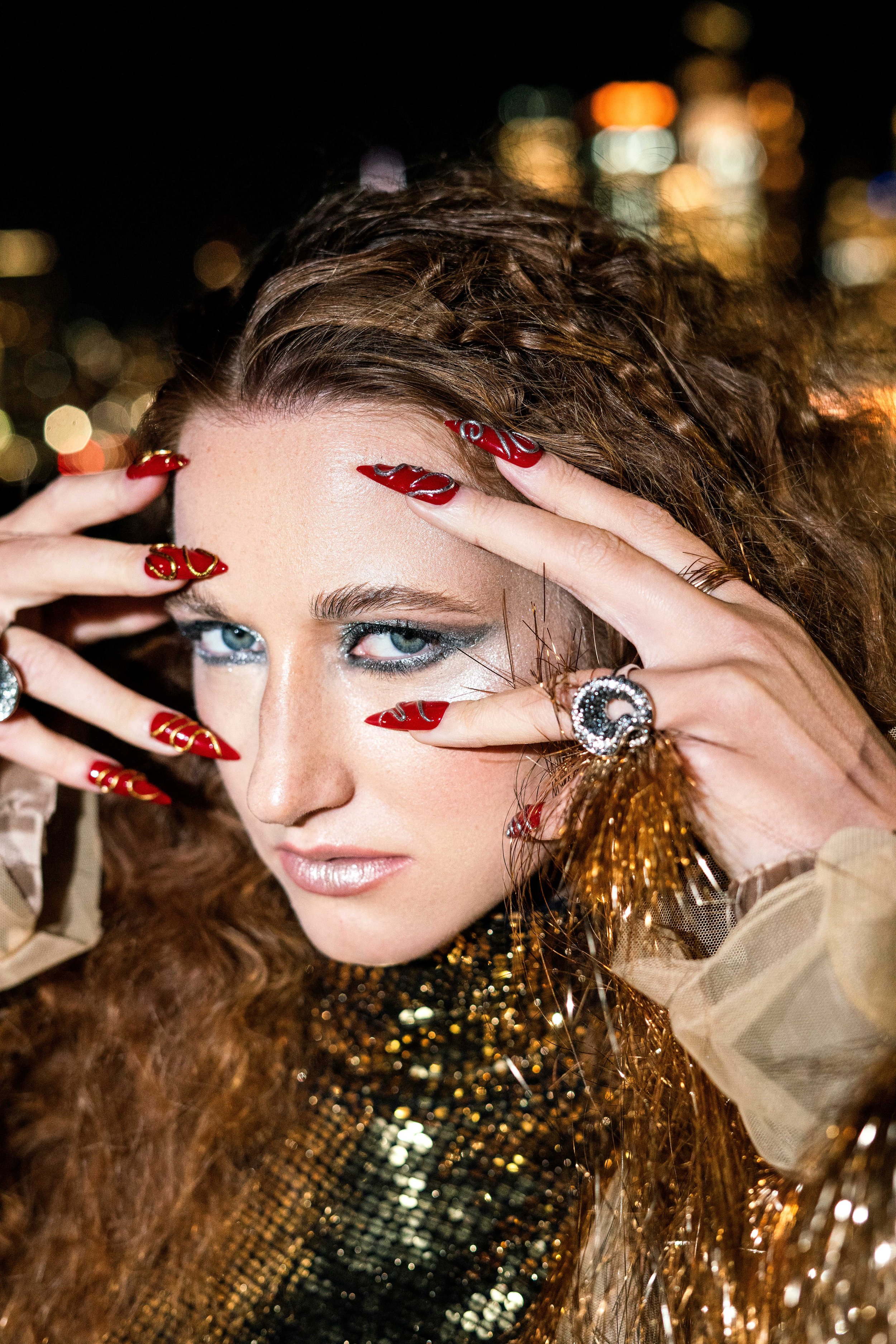
Modern fashion campaigns rely on visual narratives that communicate emotion, atmosphere, and identity. Every creative decision contributes to the story being told.
Elements such as:
Lighting
Location
Styling
Color palettes
Composition
Movement
Expressions
work together to create a visual language that supports the brand narrative.
At Parish Mandhan Productions, we approach fashion photography as storytelling first and product documentation second. The goal is to create imagery that resonates emotionally while elevating the brand's message.
Social Media Rewards Story-Driven Content
The rise of platforms like Instagram, TikTok, and YouTube has further increased the importance of storytelling.
Audiences engage more deeply with content that feels authentic, meaningful, and relatable.
Story-driven content often generates:
Higher engagement
More shares
Better audience retention
Stronger brand recall
Greater emotional connection
Behind-the-scenes footage, founder stories, campaign concepts, creative journeys, and customer experiences frequently outperform traditional product-focused content because they create a narrative audiences can follow.
People engage with stories. Products become part of that story.
Luxury Brands Have Always Understood This
Many of the world's most successful fashion brands have built their reputations through storytelling rather than product promotion.
Luxury fashion marketing rarely focuses on specifications or features. Instead, it emphasizes heritage, craftsmanship, aspiration, artistry, and culture.
These brands understand that emotional value often drives purchasing decisions more powerfully than functional value.
Consumers aren't simply buying a product; they're buying access to a story, a lifestyle, and an identity.
Today, businesses of all sizes can apply the same principle through strategic visual storytelling.
Storytelling Builds Long-Term Brand Value
Product-focused marketing often drives short-term attention.
Storytelling builds long-term brand equity.
When brands consistently communicate a compelling narrative, they create a recognizable identity that extends beyond individual collections or seasonal trends.
This long-term connection leads to:
Increased customer loyalty
Stronger brand recognition
Greater perceived value
Higher customer retention
More meaningful audience relationships
A strong story gives consumers a reason to stay connected even when they are not actively shopping.
The Future of Fashion Marketing Is Narrative-Driven
As AI-generated content, digital advertising, and visual competition continue to grow, authentic storytelling is becoming an even more valuable differentiator.
Consumers are increasingly drawn toward brands that feel human, purposeful, and emotionally engaging.
The future of fashion marketing will belong to brands that can combine exceptional products with compelling narratives that inspire audiences and create lasting connections.
Photography, film production, and creative direction will continue to play a central role in bringing these stories to life.
Final Thoughts
Fashion has always been about more than clothing. It is about identity, aspiration, emotion, and self-expression.
While great products remain essential, storytelling is what transforms those products into meaningful experiences. It creates emotional connections, differentiates brands in crowded markets, and helps audiences see themselves within a brand's vision.
At Parish Mandhan Productions, we believe the most powerful fashion campaigns are those that tell a story worth remembering. Through thoughtful photography, cinematic visuals, and creative storytelling, brands can move beyond showcasing products and begin creating experiences that resonate long after the campaign ends.
Because in fashion marketing, products may attract attention, but stories create loyalty.