
What Makes Cosmetic Advertising Visually Effective
The cosmetics industry is one of the most visually driven markets in the world. Whether consumers are shopping for skincare, makeup, fragrances, or beauty tools, their first interaction with a product often happens through an image. Before they read ingredients, compare prices, or watch tutorials, they form an impression based on what they see.
In a highly competitive beauty landscape, effective visual advertising can determine whether a product captures attention or gets lost among countless alternatives. The most successful cosmetic campaigns do more than showcase products—they create desire, communicate trust, and tell stories that resonate with consumers.
At Parish Mandhan Productions, we believe visually effective cosmetic advertising combines creativity, psychology, technical expertise, and storytelling. It is not simply about making products look attractive. It is about creating imagery that influences perception and inspires action.
First Impressions Are Built Through Visuals
Consumers make judgments within seconds of seeing an advertisement.
The quality of a cosmetic advertisement immediately influences how audiences perceive:
Product quality
Brand credibility
Luxury positioning
Effectiveness
Trustworthiness
A beautifully crafted image can elevate a product's perceived value, while poor visuals can weaken consumer confidence regardless of the product's actual performance.
This is why visual excellence remains one of the most important factors in cosmetic marketing.
High-Quality Photography Creates Trust
Trust is essential in the beauty industry.
Consumers apply products directly to their skin, making purchasing decisions highly personal. They want confidence that a product will deliver the results promised by the brand.
Professional photography helps establish that confidence.
Well-executed beauty imagery communicates:
Professionalism
Reliability
Expertise
Attention to detail
Product quality
When consumers see polished and consistent visuals, they are more likely to believe the brand takes the same level of care in developing its products.
Lighting Determines Perception
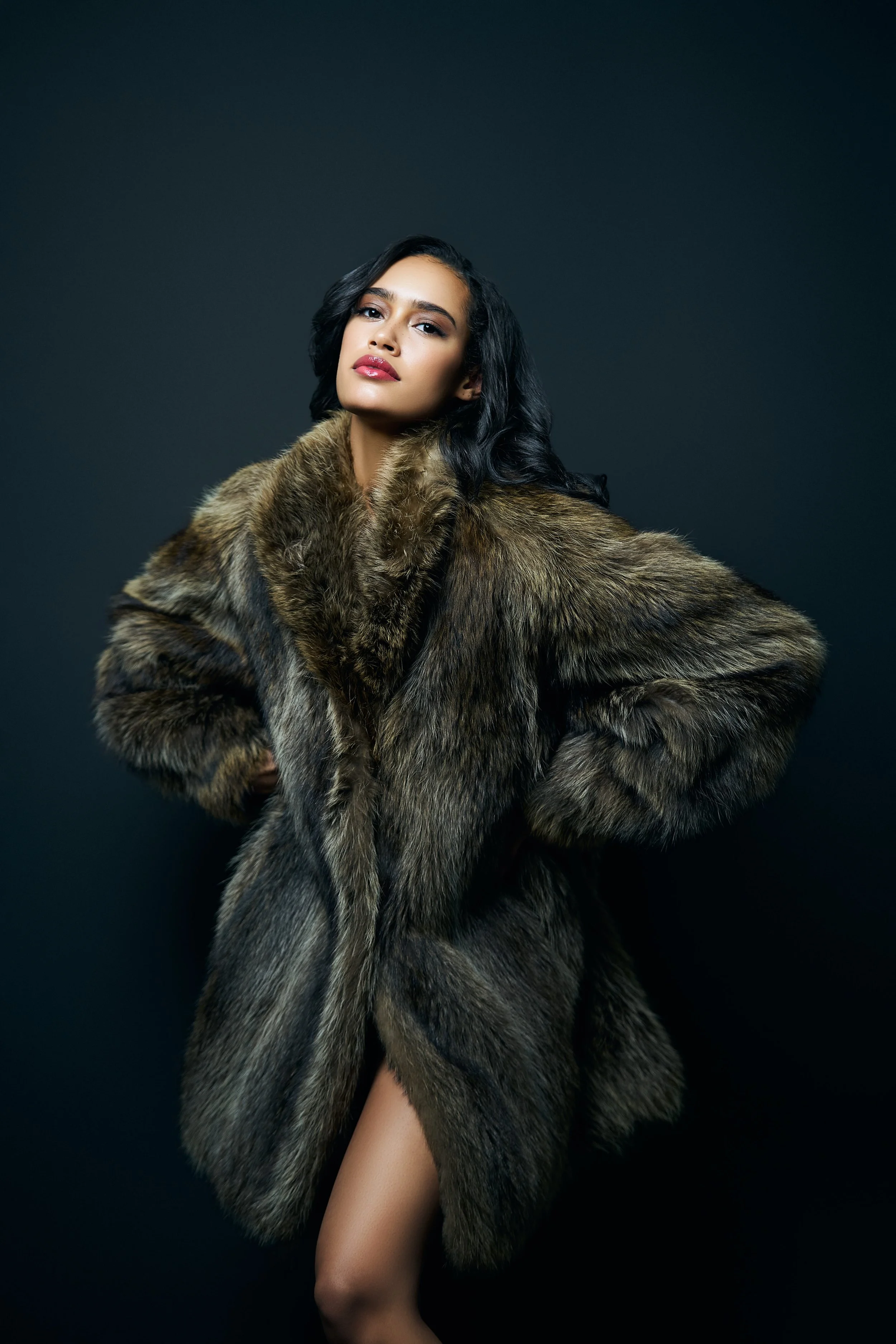
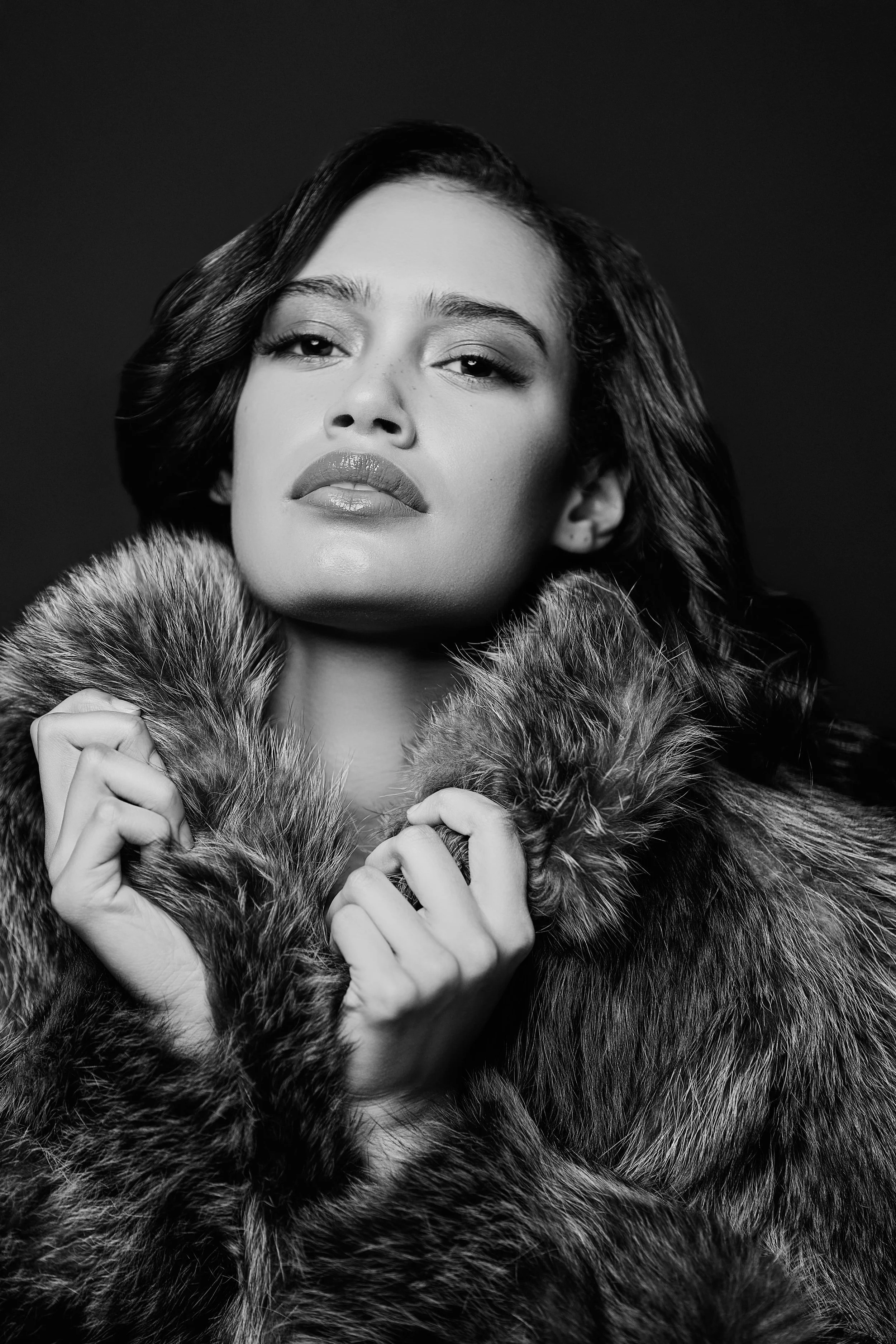
Lighting is one of the most powerful tools in cosmetic advertising.
The way light interacts with skin, packaging, and products directly affects how consumers perceive quality and effectiveness.
For example:
Soft lighting can create a luxurious and elegant feel.
Bright lighting often communicates freshness and cleanliness.
Dramatic lighting can add sophistication and exclusivity.
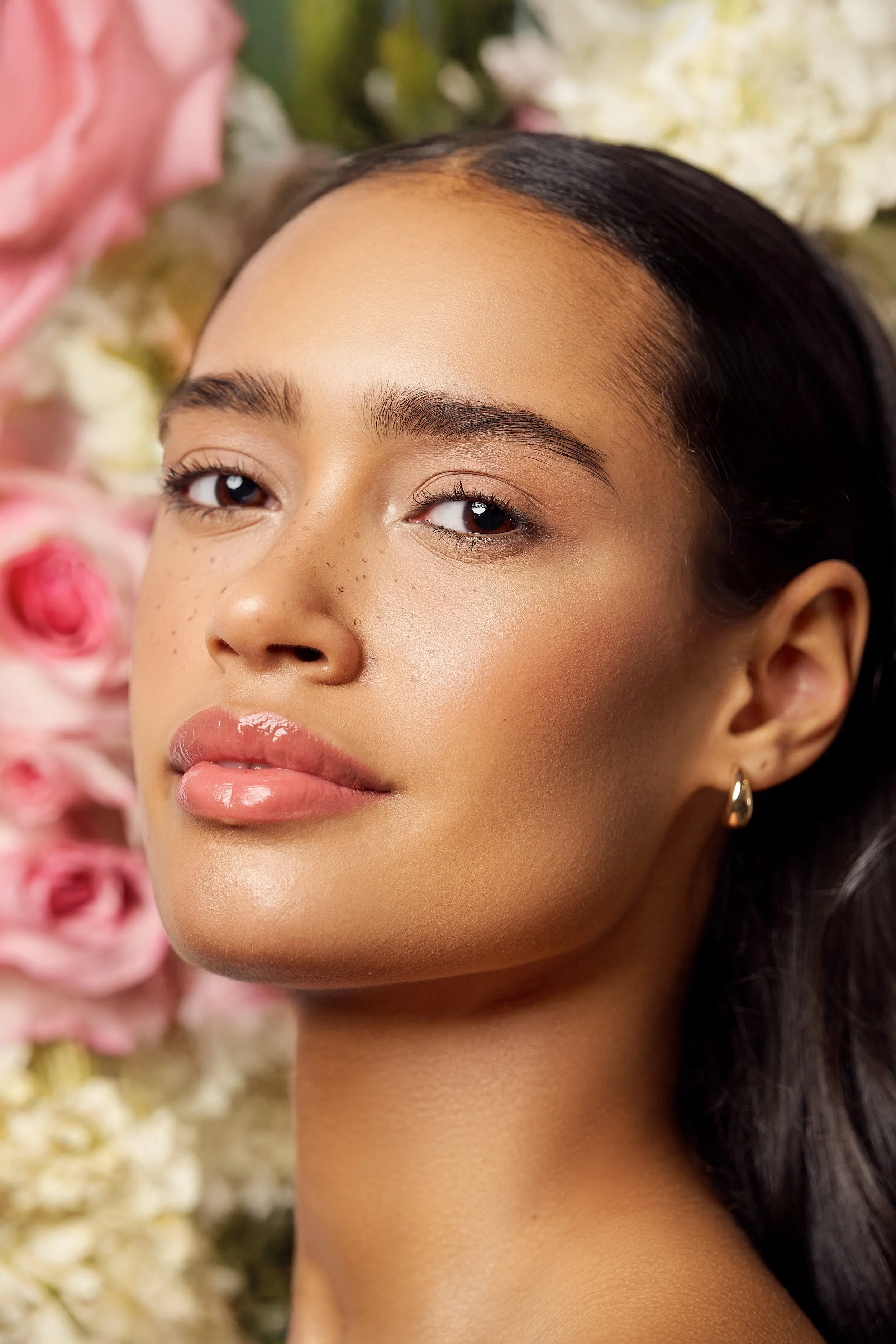
Diffused lighting enhances natural beauty and skin texture.
Professional lighting helps create images that appear refined while accurately showcasing product details.
At Parish Mandhan Productions, lighting is often the foundation upon which every successful beauty campaign is built.
Effective Cosmetic Advertising Highlights Results
Consumers want to know what a product can do for them.
Whether promoting a foundation, serum, lipstick, or moisturizer, effective visuals help demonstrate product benefits in a way that feels believable and appealing.
Strong beauty advertising often highlights:
Skin texture improvements
Makeup finishes
Hydration effects
Product application
Color pigmentation
Product consistency
When audiences can visualize results, they gain greater confidence in their purchasing decisions.
Authenticity Matters More Than Ever
The beauty industry is experiencing a shift toward authenticity.
Today's consumers are increasingly skeptical of overly edited imagery and unrealistic beauty standards. They want visuals that feel genuine and relatable.
Modern cosmetic campaigns often focus on:
Natural skin textures
Diverse representation
Realistic beauty standards
Authentic expressions
Genuine emotions
Authenticity builds trust while helping consumers connect more deeply with brands.
The most effective advertising balances aspiration with realism.
Color Psychology Influences Consumer Behavior
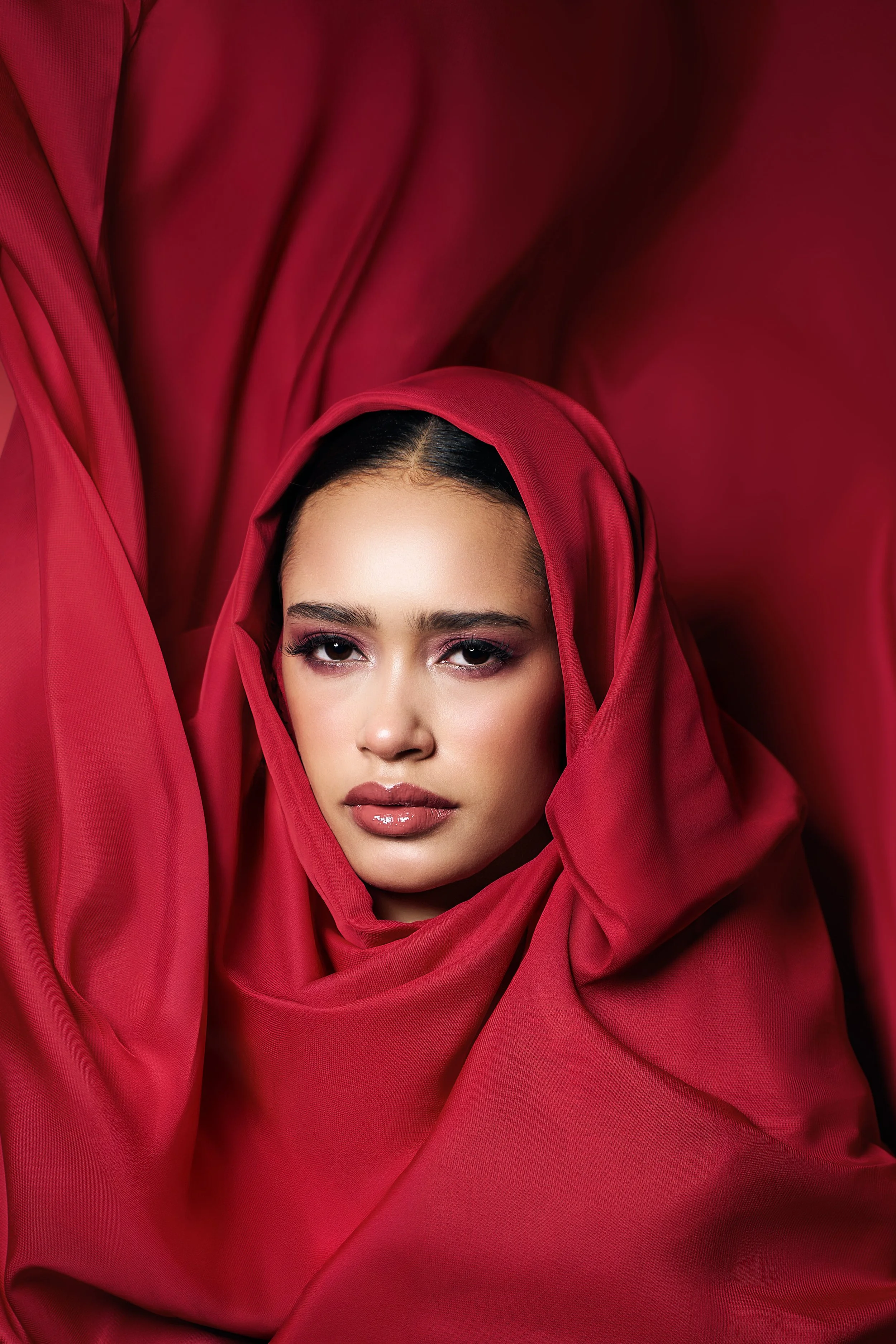
Color plays a significant role in how cosmetic advertisements are perceived.
Different color palettes create different emotional responses.
For example:
Gold often suggests luxury and exclusivity.
White communicates purity and cleanliness.
Pink can evoke softness and femininity.
Black often represents sophistication and prestige.
Earth tones can communicate wellness and natural beauty.
Successful beauty campaigns use color intentionally to reinforce brand identity and product positioning.
Visual consistency across campaigns strengthens recognition and creates a memorable brand experience.
Strong Composition Guides Attention
Effective cosmetic advertising directs the viewer's eye exactly where it needs to go.
Composition helps emphasize:
Product features
Packaging design
Brand identity
Key campaign messages
Strategic composition ensures that every element within an image supports the overall objective.
A cluttered image can distract consumers, while a thoughtfully composed photograph creates clarity and visual impact.
The best beauty advertisements appear effortless, but every detail is carefully planned.
Storytelling Creates Emotional Engagement
Consumers rarely purchase beauty products based solely on functionality.
Many beauty purchases are emotional decisions influenced by aspirations, confidence, self-care, and personal identity.
This is why storytelling has become such an important component of cosmetic advertising.
Successful campaigns often communicate themes such as:
Empowerment
Transformation
Self-expression
Confidence
Wellness
Individuality
Storytelling helps brands move beyond product features and create meaningful emotional connections with consumers.
At Parish Mandhan Productions, storytelling remains central to creating beauty visuals that resonate and inspire.
Models Help Consumers Visualize the Experience
Beauty advertising often relies on people rather than products alone.
Models help audiences imagine:
Product usage
Desired outcomes
Lifestyle alignment
Emotional benefits
The right model can strengthen a campaign by making it more relatable and aspirational.
Modern cosmetic brands increasingly prioritize diverse representation because consumers want to see themselves reflected in advertising.
This inclusivity helps build trust while expanding audience appeal.
Product Presentation Influences Perceived Value
Packaging plays a major role in cosmetic purchasing decisions.
Effective beauty photography highlights product design through:
Strategic lighting
Careful styling
Clean composition
Premium visual treatment
Luxury brands often invest heavily in product photography because sophisticated presentation increases perceived value.
Consumers frequently associate visual quality with product quality.
The way a cosmetic product is photographed can significantly influence how much value consumers believe it offers.
Consistency Strengthens Brand Recognition
One successful advertisement is valuable, but consistency is what builds strong beauty brands.
Effective cosmetic advertising maintains a recognizable visual identity across:
Social media
Websites
Digital campaigns
Product launches
Print materials
E-commerce platforms
Consistent photography, color palettes, styling, and creative direction help consumers instantly recognize a brand.
This familiarity strengthens trust and improves long-term brand recall.
Designing for a Digital-First Audience
Today's beauty advertisements are primarily viewed on smartphones.
As a result, visuals must be optimized for digital consumption.
Effective cosmetic advertising considers:
Mobile viewing behavior
Social media formats
Vertical content
Platform-specific design
Short attention spans
Images must communicate their message quickly while remaining visually compelling.
Brands that understand digital-first visual strategies often achieve stronger engagement and better campaign performance.
Why Professional Production Matters
Creating visually effective cosmetic advertising requires expertise across multiple disciplines.
Successful campaigns involve:
Creative direction
Beauty photography
Lighting design
Retouching
Styling
Brand strategy
Storytelling
Every element contributes to how consumers perceive a product and the company behind it.
Professional production ensures that visuals align with business objectives while maintaining the high standards expected in the beauty industry.
Final Thoughts
Cosmetic advertising is about far more than making products look attractive. It is about creating visuals that communicate trust, quality, effectiveness, and emotional value.
The most effective beauty campaigns combine technical excellence with strategic storytelling. They use lighting, composition, color, authenticity, and creative direction to influence perception and build meaningful connections with audiences.
At Parish Mandhan Productions, we believe powerful cosmetic advertising begins with understanding the story behind the product. Through premium photography, thoughtful creative execution, and visually compelling narratives, beauty brands can create campaigns that not only capture attention but inspire confidence and loyalty.
Because in the world of cosmetics, consumers often see before they believe, and great visual storytelling helps them do both.