
Lighting Like Cinema: How Mood Changes the Entire Story
In photography, light does more than illuminate a subject, it defines how a story feels.
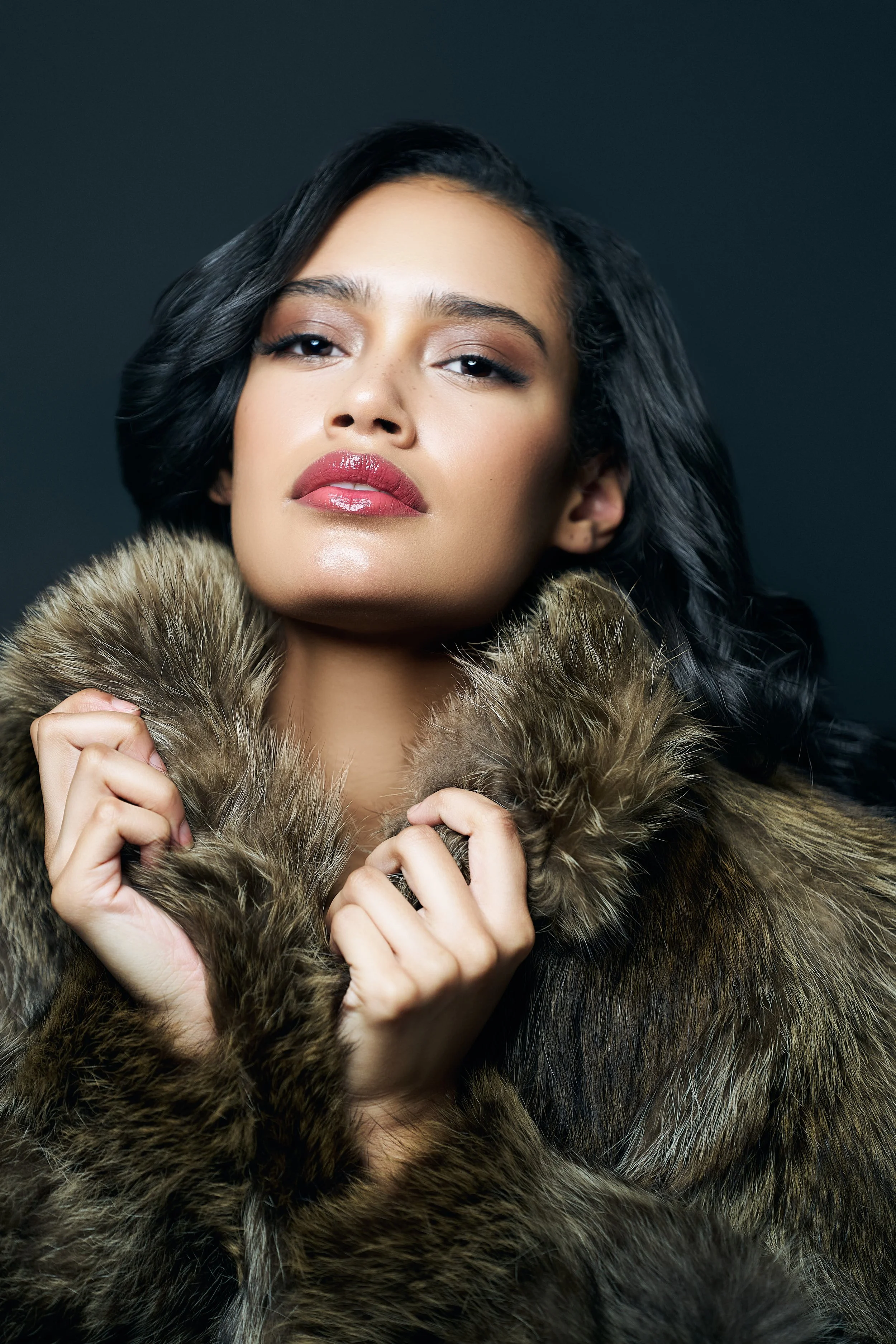
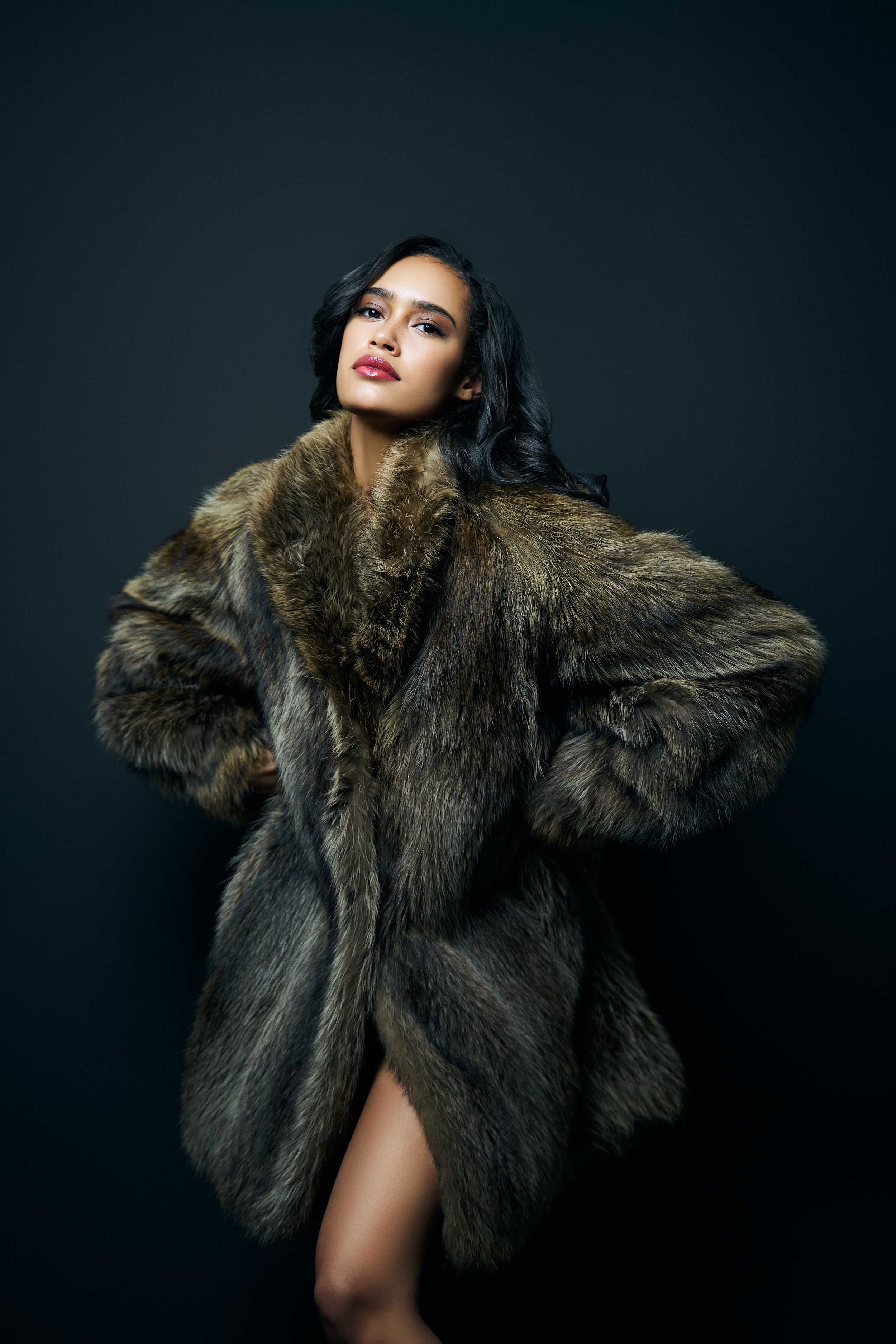
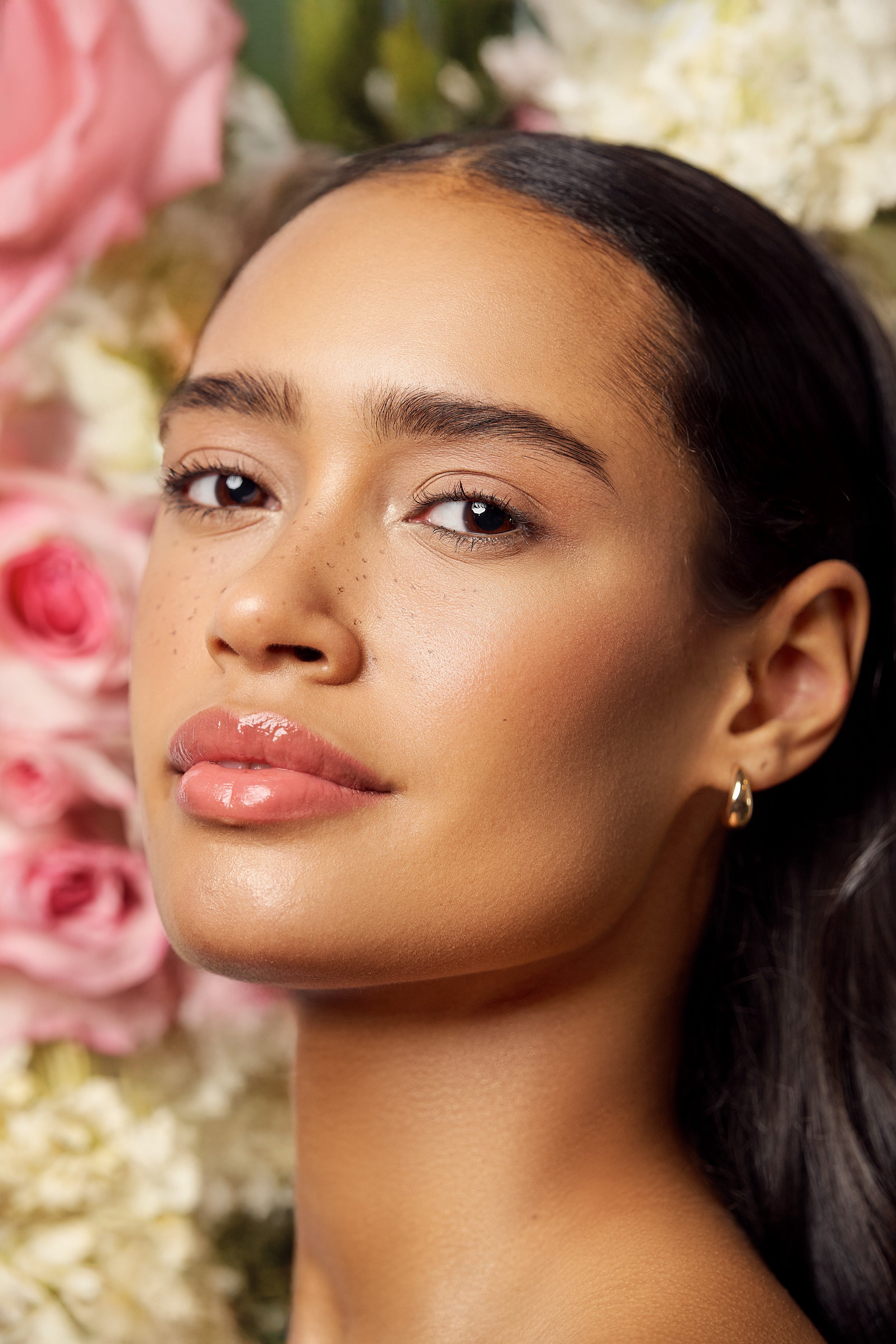
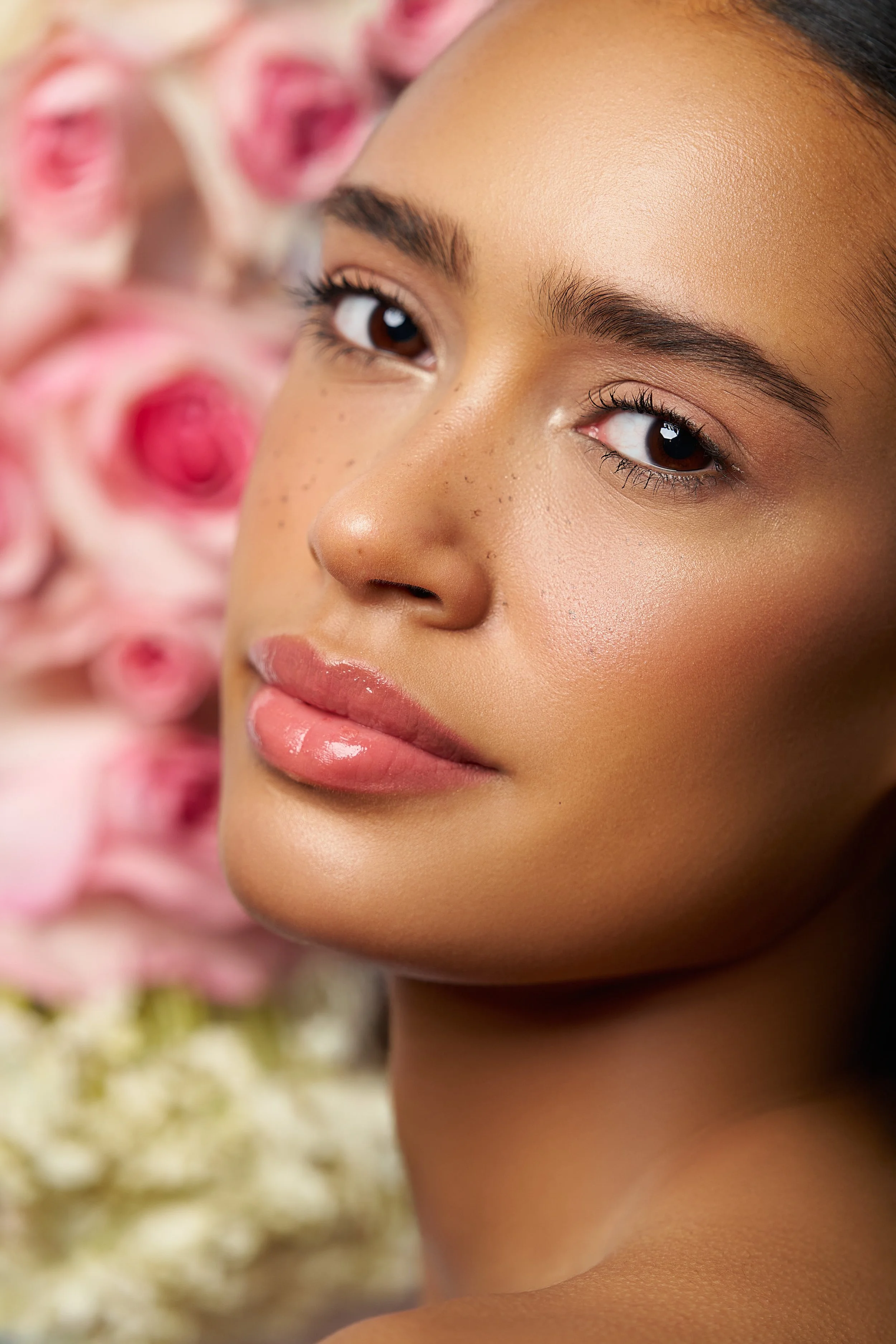
Two images of the same person, in the same location, can tell completely different stories simply based on lighting. One may feel warm and inviting, the other dramatic and intense. One may feel natural, the other cinematic.
That’s the power of lighting.
At Parish Mandhan Photography, we approach lighting not just as a technical necessity, but as a storytelling tool. Because when used intentionally, light shapes emotion, atmosphere, and perception, turning images into experiences.
Why Lighting Is the Language of Emotion
Before composition, before color, before styling, the viewer responds to light.
Lighting influences:
Mood
Depth
Focus
Texture
Emotional tone
Soft, diffused light feels calm and intimate.
Hard, directional light creates contrast and drama.
Low light builds mystery.
Bright light communicates clarity and openness.
Without saying a word, lighting tells the audience how to feel.
What “Cinematic Lighting” Really Means
Cinematic lighting isn’t about expensive gear, it’s about intention.
In cinema, every light source is placed with purpose:
To guide attention
To shape faces
To create contrast
To define space
Photography can apply the same principles.
Cinematic lighting focuses on:
Controlled highlights and shadows
Depth through layering
Directional light sources
Mood consistency across frames
Instead of evenly lighting everything, it selectively reveals, and that’s what creates visual interest.
The Power of Shadows
Shadows are often misunderstood as something to avoid.
In cinematic storytelling, they are essential.
Shadows add:
Depth and dimension
Mystery and intrigue
Emotional intensity
Visual contrast
A flat, evenly lit image shows everything.
A shadow-rich image invites curiosity.
At Parish Mandhan Photography, we use shadows intentionally, not to hide, but to shape the story.
Lighting and Character Perception
Lighting changes how we perceive a subject.
For example:
Front lighting feels open and approachable
Side lighting creates depth and complexity
Backlighting adds separation and drama
Top lighting can feel powerful or intense
The same person can appear:
Confident
Vulnerable
Dramatic
Calm
depending entirely on how they’re lit.
That’s why lighting decisions are never random. They’re tied directly to the story we want to tell.
Color Temperature and Emotional Tone
Light isn’t just about brightness — it’s also about color.
Warm tones (golden, amber) create:
Comfort
Nostalgia
Softness
Cool tones (blue, neutral) create:
Distance
modernity
seriousness
Cinematic lighting often blends these tones to create contrast and mood.
Color becomes another layer of storytelling, subtle, but powerful.
From Flat to Cinematic: The Difference
Flat lighting is functional.
Cinematic lighting is expressive.
Flat lighting:
Evenly exposes everything
Minimizes shadows
Focuses on clarity
Cinematic lighting:
Creates contrast
Directs attention
Builds atmosphere
Enhances emotion
The difference isn’t just visual — it’s emotional.
One shows the subject.
The other tells their story.
Lighting for Different Types of Photography
Portraits
Lighting shapes personality and mood, from soft and natural to bold and dramatic.
Editorial Shoots
Used to create high-fashion, narrative-driven visuals with strong identity.
Personal Branding
Balances authenticity with cinematic quality to reflect both professionalism and individuality.
Event Photography
Captures real moments while adapting to changing lighting environments, often blending natural and artificial light.
Lighting isn’t one-size-fits-all. It evolves with the story.
The Role of Natural vs Controlled Light
Both natural and artificial lighting have their place.
Natural light offers:
Authenticity
Soft transitions
Organic feel
Controlled light offers:
Precision
Consistency
Creative flexibility
At Parish Mandhan Photography, we often blend both — using natural light as a base and enhancing it with controlled sources when needed.
The goal is not to overpower reality, but to elevate it.
How Parish Mandhan Photography Uses Lighting as Storytelling
Our approach begins with one question:
What should this image feel like?
From there, we design lighting around emotion:
Soft light for intimacy
Directional light for drama
Layered light for depth
Balanced tones for realism
We don’t just light subjects.
We light stories.
Why Mood Matters More Than Ever
In a digital world filled with content, visuals need more than clarity — they need character.
Mood-driven lighting:
Captures attention
Creates emotional connection
Builds visual identity
Makes images memorable
People may not remember the exact composition, but they remember how the image made them feel.
And that feeling often comes from light.
Final Thoughts
Lighting is not just a technical choice.
It’s a narrative decision.
It defines tone, shapes perception, and transforms ordinary visuals into cinematic experiences.
At Parish Mandhan Photography, we believe that when lighting is intentional, every frame carries emotion, and every image becomes more than just a photograph.
It becomes a story.