
How I Approach Creative Direction Differently from Commercial Shoots
Not all shoots are built the same.
A commercial shoot and a creative, editorial-driven campaign may use similar tools, cameras, lights, models, locations, but the intention behind them is completely different.
One is designed to sell.
The other is designed to position.
As a fashion photographer and filmmaker based in New York City, I approach creative direction with a cinematic mindset. And that mindset shifts dramatically when the goal moves from pure commerce to long-term brand identity.
Here’s how my creative direction differs from traditional commercial shoots, and why that difference matters.
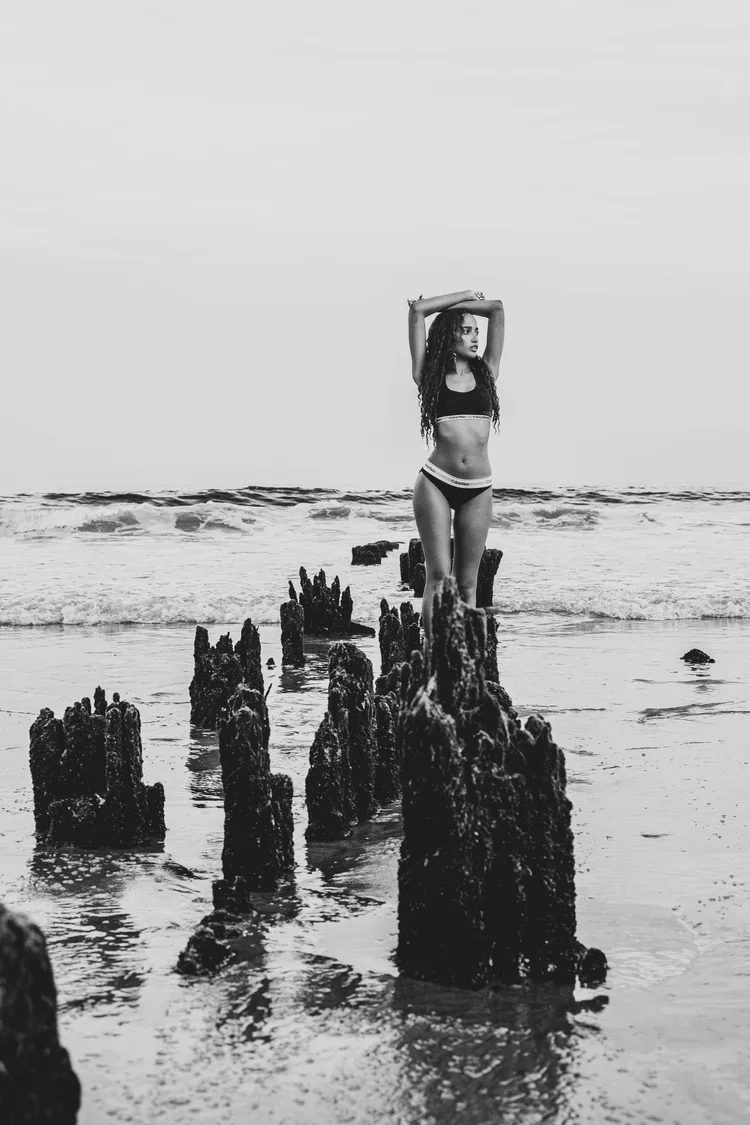
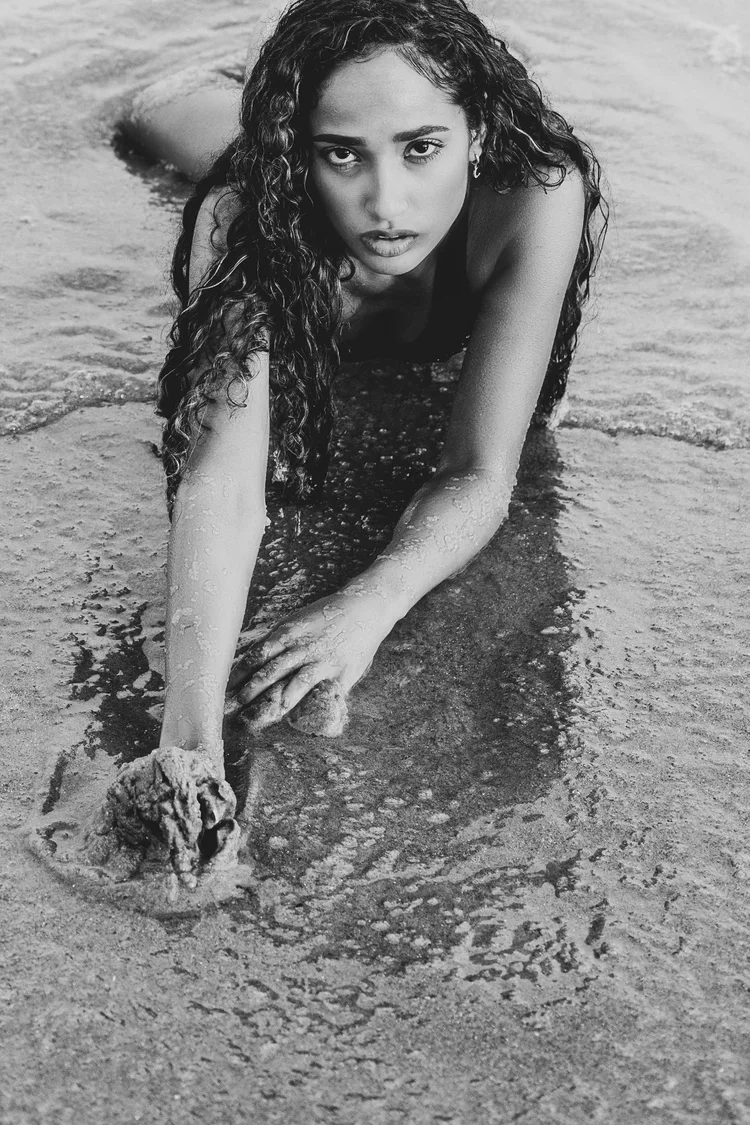
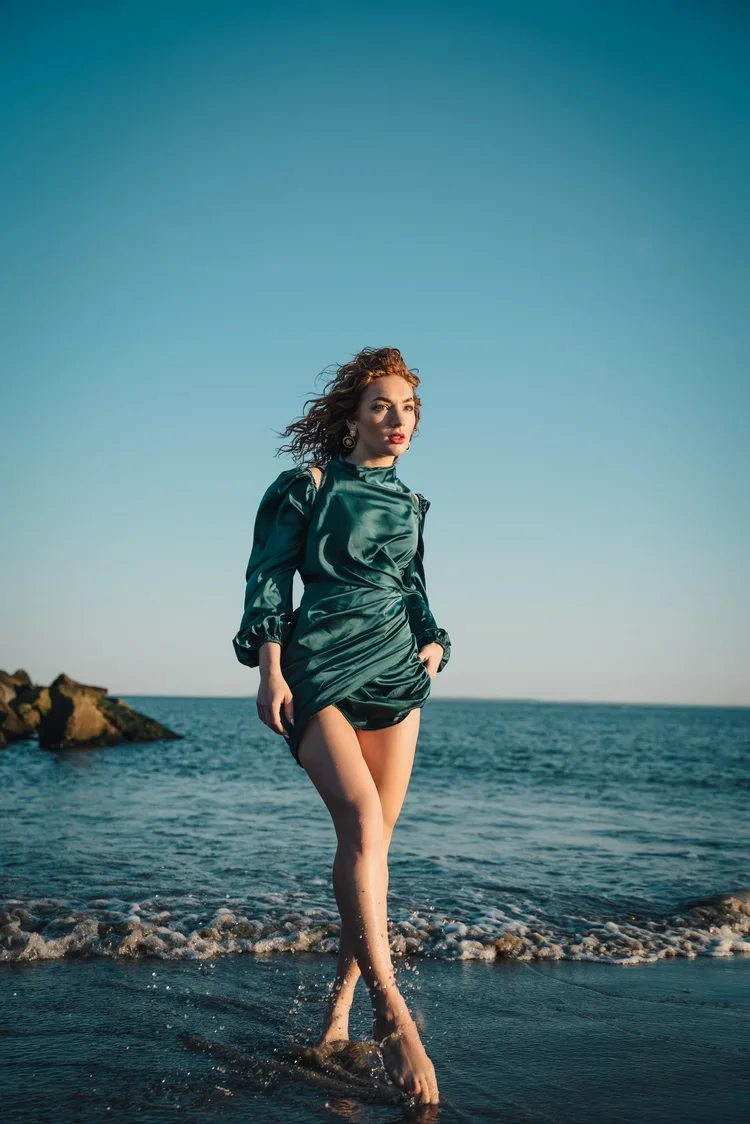
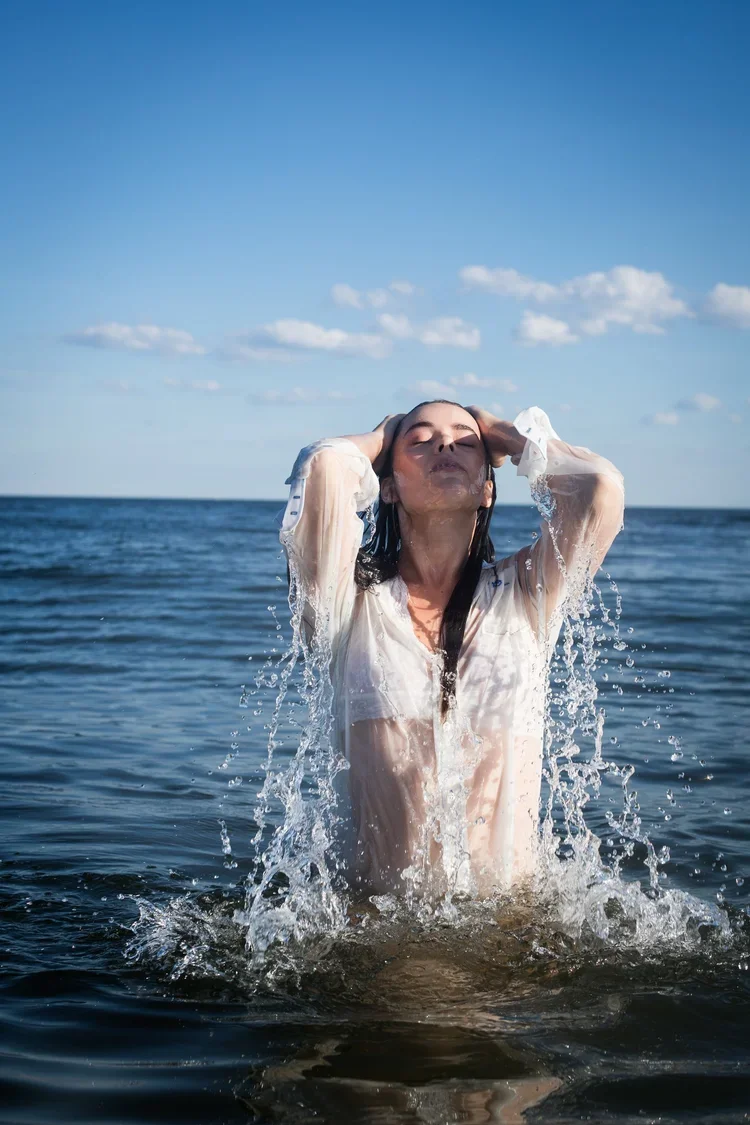
1. Emotion Before Product
In commercial shoots, the product is the hero.
In creative direction, emotion is the hero.
Commercial photography focuses on:
Clarity
Visibility
Feature highlighting
Clean presentation
Creative direction focuses on:
Mood
Atmosphere
Story
Identity
Instead of asking, “How do we show the product clearly?”
I ask, “How should this brand feel?”
2. Narrative Over Information
Commercial shoots communicate information quickly.
Creative direction builds narrative slowly.
I approach campaign shoots like short films:
There’s an emotional arc
There’s progression
There’s tension and release
Every frame connects to the next
This transforms a shoot from a content session into a cohesive visual story.
3. Lighting as Storytelling, Not Illumination
Commercial lighting is designed to reveal everything evenly.
Creative lighting is designed to reveal selectively.
In editorial and luxury campaigns, I use:
Directional light
Natural falloff
Shadow for depth
Contrast for mood
Light becomes emotional, not technical.
4. Imperfection as an Asset
Commercial shoots aim for perfection:
Perfect posture
Perfect symmetry
Perfect exposure
In creative direction, imperfection creates authenticity.
Subtle movement. Asymmetrical posing. Shadow-heavy frames. These elements add personality and editorial credibility.
Luxury today values presence over polish.
5. World-Building Instead of Background Selection
In commercial work, location supports the product.
In creative direction, environment builds the world.
Whether shooting in a controlled studio or on location in New York City, I design space to reflect:
Brand identity
Emotional tone
Cultural alignment
The setting is not decoration. It’s narrative context.
Learn more about my creative philosophy here: About Page
6. Model Energy Is Directed, Not Posed
In commercial shoots, posing is structured.
In creative direction, energy is guided.
Instead of giving technical instructions, I give emotional direction:
“Calm but powerful.”
“Quiet confidence.”
“Introspective presence.”
This allows the model to exist naturally within the story rather than perform for the camera.
7. Long-Term Brand Positioning vs Immediate Conversion
Commercial photography often serves short-term marketing goals.
Creative direction serves long-term brand prestige.
It builds:
Recognition
Cohesion
Emotional memory
Cultural relevance
According to Vogue Business, luxury brands increasingly prioritize storytelling and cohesive visual identity to maintain prestige in competitive markets.
Explore more at: https://www.voguebusiness.com
This reflects why narrative-driven creative direction is becoming central to modern fashion campaigns.
8. Cinematic Thinking Guides Every Decision
My background in cinematic storytelling influences every creative project.
I think in terms of:
Visual rhythm
Frame sequencing
Emotional pacing
Character development
Even within still photography, the goal is to create movement and progression.
That’s the difference between a photoshoot and a campaign.
Commercial Isn’t Wrong, It’s Just Different
Both approaches have value.
Commercial shoots are essential for:
E-commerce
Product catalogs
Direct-response marketing
But when a brand wants to elevate perception, build identity, and position itself in the luxury space, creative direction becomes essential.
Ready to Move Beyond Commercial Visuals?
If you’re a fashion brand or designer looking to create campaigns that feel cinematic, intentional, and globally refined, not just product-focused, let’s collaborate.