
How Fashion Brands Use Storytelling to Sell More
Fashion has never been only about clothing.
People do not buy a jacket simply because it has sleeves. They do not choose a dress only because it fits. They do not purchase sneakers only because they are comfortable.
They buy what those products represent.
Confidence.
Identity.
Belonging.
Status.
Self-expression.
Lifestyle.
That is why the most successful fashion brands do not just sell products.
They sell stories.
In 2026, when customers are flooded with options and endless online choices, storytelling has become one of the strongest tools for increasing attention, emotional connection, and sales.
At Parish Mandhan Photography, we help fashion brands turn collections into compelling visual narratives that make products more desirable and memorable.
Why Storytelling Matters in Fashion
Most fashion categories are crowded.
Many brands offer similar:
Fabrics
Fits
Trends
Price ranges
Packaging
When products become comparable, customers choose based on emotion and identity.
Storytelling helps answer deeper questions:
What does this brand stand for?
Who is this for?
How will I feel wearing it?
What world does this brand belong to?
The brands that answer these questions clearly often sell more.
1. Storytelling Turns Clothing Into Identity
A plain shirt is just a shirt.
But place it inside the right story, and it becomes something bigger.
For example:
Streetwear becomes rebellion and culture
Luxury tailoring becomes power and status
Minimal basics become calm sophistication
Resort wear becomes freedom and escape
Sustainable fashion becomes conscious living
Customers often buy the identity attached to the item.
That is why brand narrative can matter as much as product design.
2. Emotion Drives Purchase Decisions
People often believe they buy logically.
In reality, many buying decisions begin emotionally and are justified rationally later.
Fashion storytelling creates emotions such as:
Desire
Confidence
Aspiration
Nostalgia
Belonging
Excitement
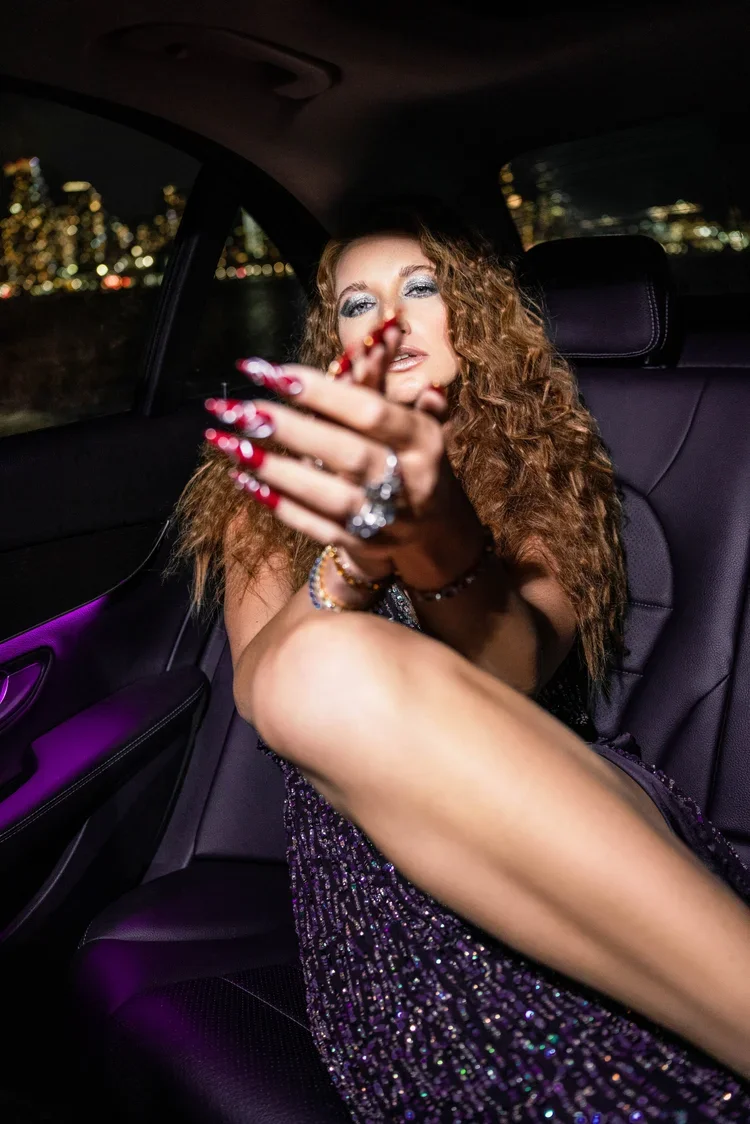
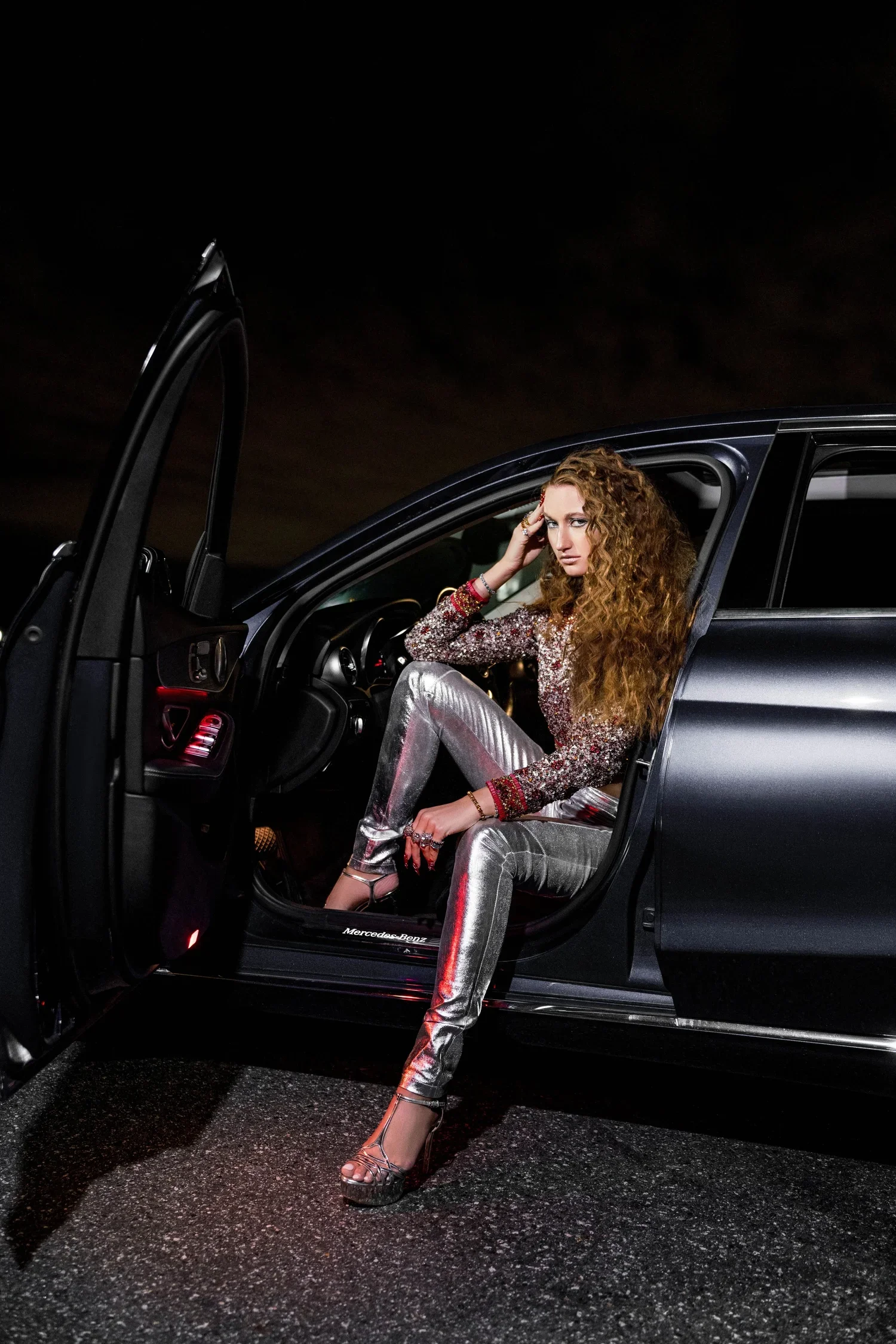
A campaign showing a confident model in a city at night may sell more than a plain product image because it sells a feeling.
At Parish Mandhan Photography, we understand that feeling is often the first trigger for conversion.
3. Visual Campaigns Create a World Customers Want to Join
Strong fashion brands build worlds around their products.
This includes:
Locations
Styling
Casting
Music
Color palette
Mood
Movement
When customers repeatedly see that world, they begin to associate the brand with a lifestyle.
Examples:
Clean monochrome visuals = sophistication
Beach campaigns = freedom and relaxation
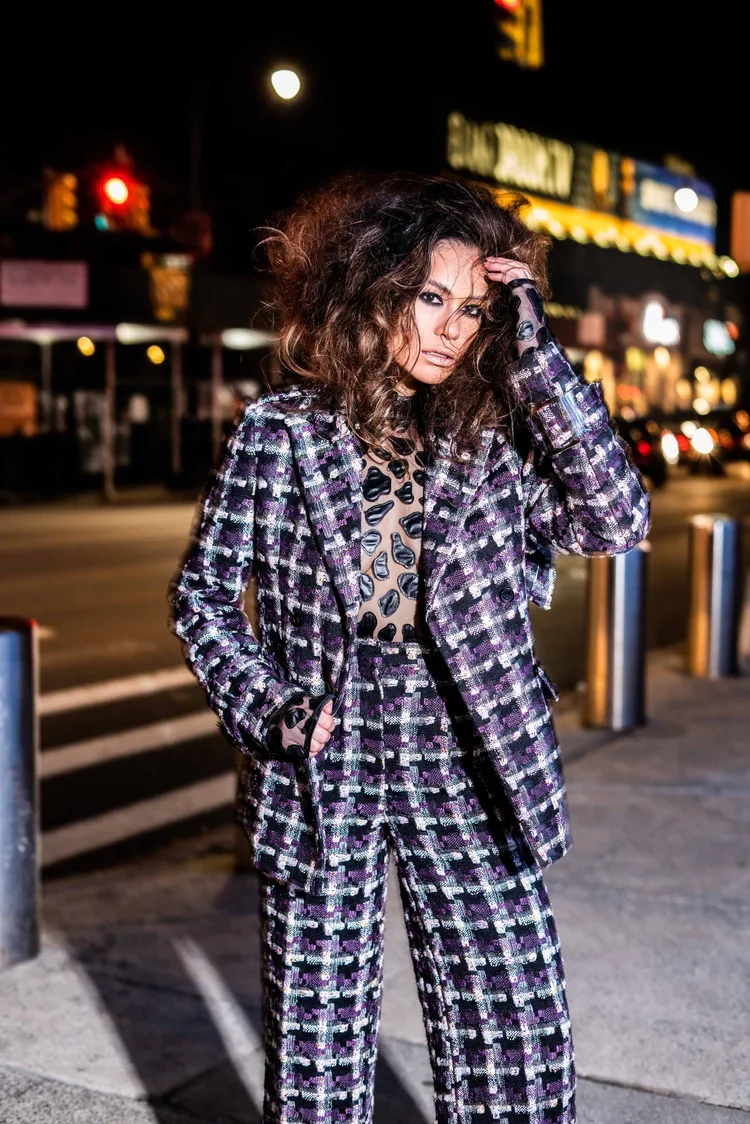
Urban grit = confidence and edge
Editorial studio minimalism = premium taste
People buy products to participate in that world.
4. Storytelling Increases Perceived Value
When products are shown without narrative, they are often judged mainly on material and price.
When products are placed inside a strong story, customers evaluate differently:
Brand meaning
Emotional value
Exclusivity
Style identity
Aspirational appeal
This can support stronger pricing and higher margins.
Luxury fashion has understood this for decades.
Now modern brands at every level are using the same principle.
5. It Helps Brands Stand Out in a Crowded Market
Thousands of fashion brands compete online.
Without a clear story, many look interchangeable.
Storytelling creates distinction through:
Unique voice
Signature visuals
Memorable campaigns
Strong emotional positioning
A customer may forget another plain ecommerce store.
They remember the brand that made them feel something.
6. Storytelling Improves Social Media Performance
Social platforms reward content that captures attention and creates reaction.
Narrative-led fashion content performs well because it feels more interesting than standard product posts.
Examples include:
Behind-the-scenes campaign moments
Founder stories
Styling narratives
Collection inspiration reels
Editorial image sequences
Lifestyle shoots with emotion
People share stories more than they share catalogs.
7. Customers Want Meaning, Especially in 2026
Modern consumers increasingly care about:
Brand values
Authenticity
Creative point of view
Community
Cultural relevance
Fashion storytelling helps communicate these deeper layers.
For example:
A handmade collection can tell a craftsmanship story
A local label can tell a city culture story
A sustainable brand can tell a responsibility story
A luxury line can tell a timeless elegance story
Products matter. Meaning multiplies value.
8. Storytelling Creates Repeat Buyers
First purchases may happen through attraction.
Repeat purchases often happen through emotional connection.
When customers feel aligned with a brand’s story, they are more likely to:
Return for new drops
Recommend the brand
Engage on social media
Stay loyal despite alternatives
That loyalty lowers acquisition pressure and increases lifetime value.
How Parish Mandhan Photography Helps Fashion Brands Tell Better Stories
We approach fashion photography as narrative, not only imagery.
Our process includes:
Creative direction for collections
Editorial campaign concepts
Moodboard development
Model and styling guidance
Cinematic lighting
Location storytelling
Social-first campaign assets
Premium retouching and consistency
We don’t just shoot garments.
We help brands create desire around them.
Why This Matters Right Now
In a digital-first market, customers often experience your brand visually before they ever touch the product.
That means story must be visible immediately.
Brands that rely only on product listings risk becoming price-compared.
Brands that build identity through storytelling become chosen differently.
Final Thoughts
Fashion brands use storytelling to sell more because storytelling transforms products into meaning.
It helps clothing feel emotional, aspirational, memorable, and worth choosing.
At Parish Mandhan Photography, we believe the strongest fashion brands are not only designed well.
They are narrated well.
Because when customers buy a story they believe in, the sale becomes easier.
And when they wear that story, the brand grows further.