
The Difference Between Capturing Beauty and Creating Presence
A single photograph can be beautiful.
But a campaign should feel like a story.
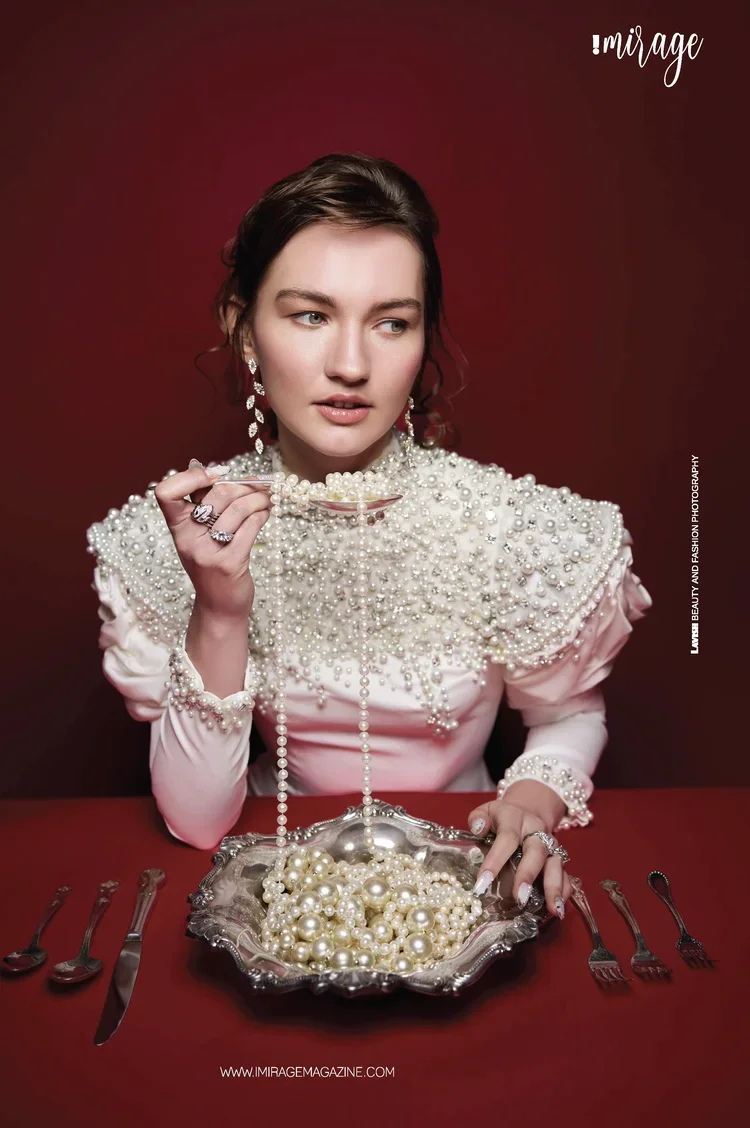
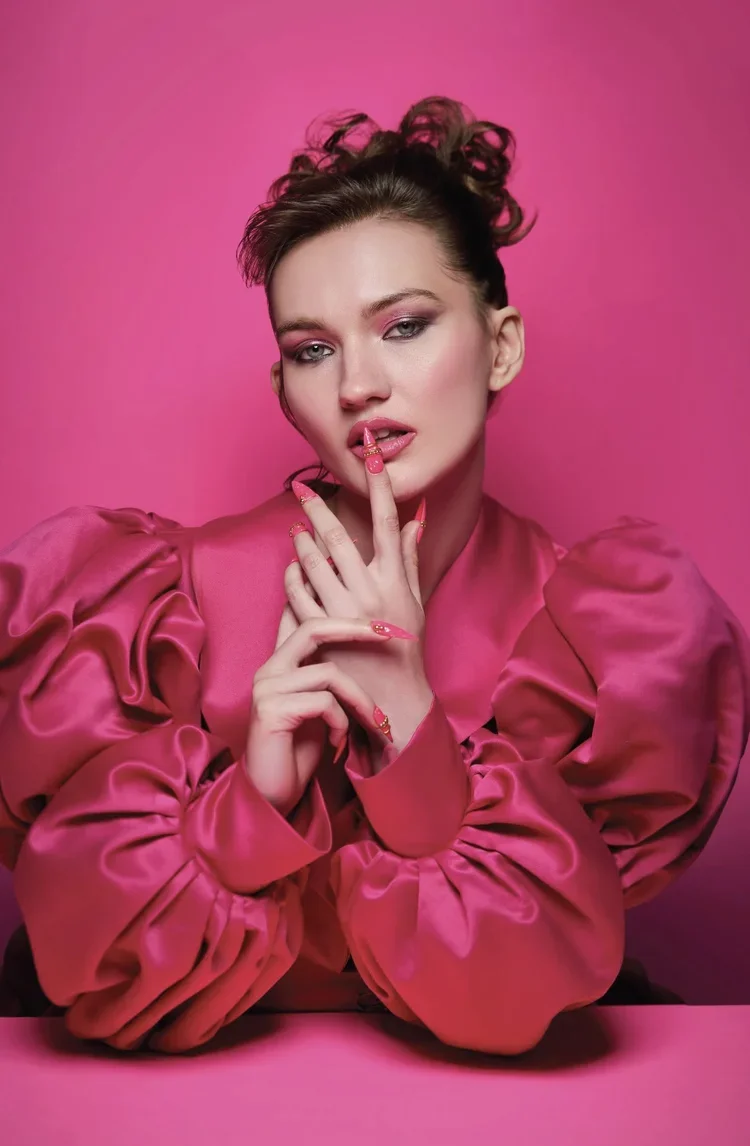
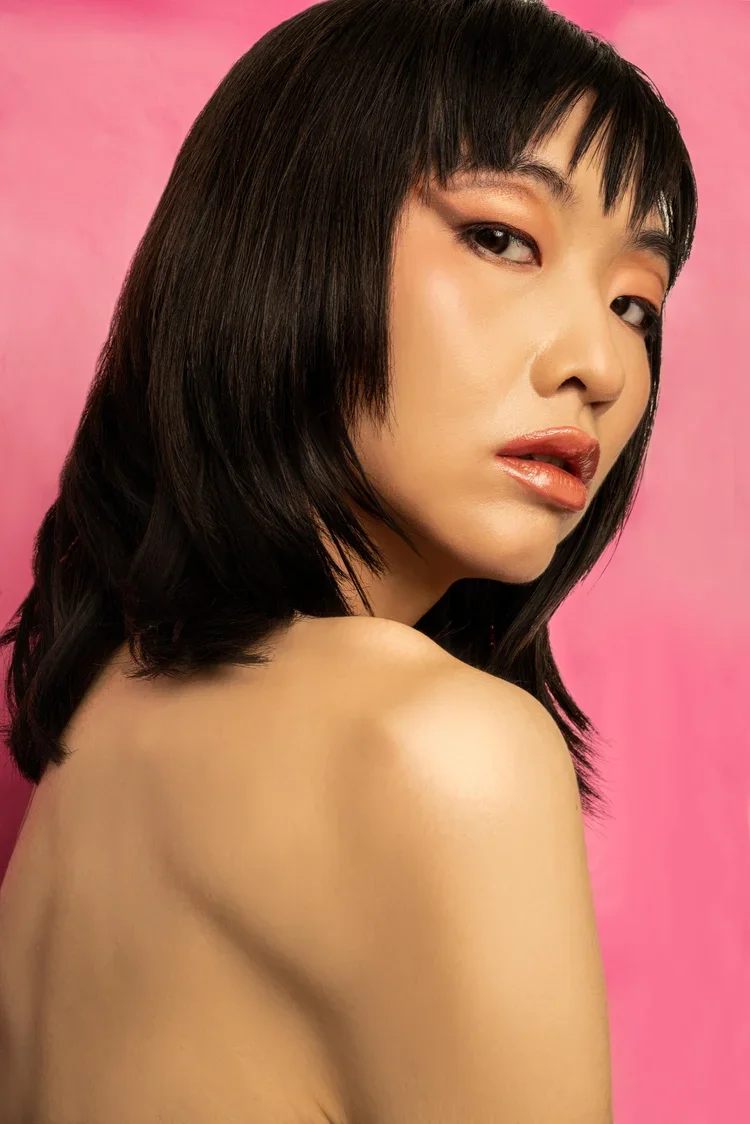
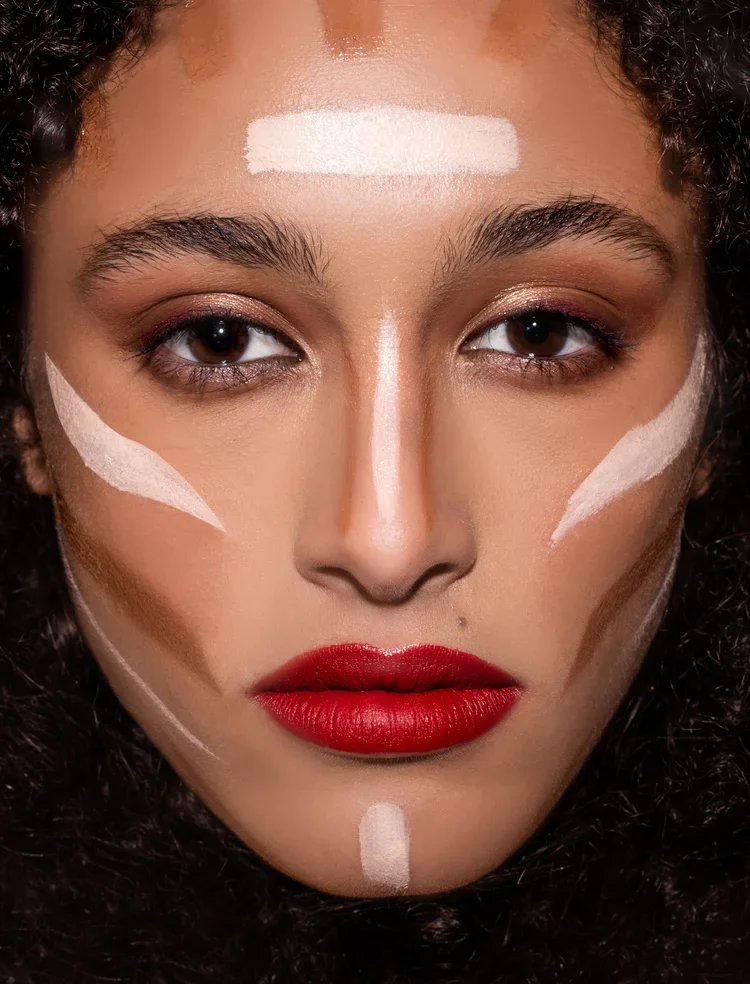
The most powerful fashion campaigns today don’t rely on isolated hero shots. They unfold. They move emotionally, even if the viewer is only looking at still images. Each frame feels connected to the next, like scenes from a film.
This is the shift happening in modern luxury branding: campaigns are no longer collections of images. They are visual story arcs.
As a fashion photographer and filmmaker based in New York City, I approach campaign shoots not as standalone visuals, but as narratives with structure, rhythm, and emotional progression.
Why Modern Campaigns Need a Story Arc
In today’s digital world, attention is short. A strong narrative keeps viewers engaged longer because it invites them into something unfolding.
A story-driven campaign:
Feels immersive
Builds emotional momentum
Strengthens brand identity
Increases audience retention
Instead of saying, “Here is the collection,” it says, “Here is the world this collection lives in.”
What Is a Story Arc in Fashion Photography?
In filmmaking, a story arc typically includes:
Introduction
Development
Climax
Resolution
The same principle applies to campaign shoots.
1. Introduction: Establishing Mood
The opening frames define:
Atmosphere
Lighting tone
Emotional temperature
Visual language
These images set expectations and immerse the viewer in the campaign’s world.
2. Development: Building Emotion
As the shoot progresses, the visuals evolve:
Poses become more expressive
Movement increases
Lighting deepens
Composition shifts
This builds tension and emotional depth.
3. Climax: The Hero Moment
Every campaign needs a defining image.
This is where energy peaks.
It might be:
A powerful close-up
A dramatic silhouette
A striking movement shot
This frame becomes the emotional center of the campaign.
4. Resolution: Leaving a Lasting Impression
The final frames soften or settle the mood.
They give the viewer space to absorb the experience.
A campaign that ends with intention feels complete.
Designing Narrative Before the Shoot Begins
Narrative isn’t improvised. It’s designed.
Before any shoot, I define:
The emotional journey
The pacing of the images
The lighting transitions
The energy progression
This is where creative direction becomes essential.
Learn more about my approach to creative vision here:
👉 About Page
Lighting as Narrative Structure
Lighting changes throughout a story arc.
Soft light may introduce intimacy.
Stronger directional light may create tension.
Darker tones may add emotional weight.
By controlling lighting progression, the campaign feels cinematic and intentional.
Movement Adds Narrative Flow
Even in still photography, movement creates continuity.
Flowing fabric, shifting posture, or evolving body language suggests that something is happening between frames.
This transforms a photoshoot into a sequence rather than a series.
Why Story-Driven Campaigns Perform Better
Narrative campaigns:
Encourage viewers to swipe through galleries
Increase engagement on social media
Strengthen brand recall
Feel more premium
They elevate brands from product-focused to experience-focused.
NYC: A City Built for Visual Storytelling
New York City’s cinematic atmosphere naturally supports narrative-driven fashion imagery. Its textures, light contrasts, and cultural energy make it ideal for story-based campaigns.
As an NYC-based fashion photographer, I draw from film language and editorial heritage to design campaigns that feel globally relevant and emotionally layered.
The Future of Fashion Campaigns Is Cinematic
Fashion is moving closer to cinema. Brands want:
Emotional arcs
Atmosphere-driven visuals
Cohesive storytelling
Motion integration
A campaign should feel like a short film told through both still and moving frames.
From Frame to Filmset
When a shoot is structured around narrative:
Models become characters
Lighting becomes mood
Movement becomes pacing
Every frame becomes intentional
This is how still photography gains cinematic depth.
Ready to Design a Narrative-Driven Campaign?
If you’re a fashion brand, designer, or creative team looking to create a campaign that feels immersive, cinematic, and emotionally powerful, let’s collaborate.