
From Moments to Micro-Stories: How Modern Photography Is Moving Beyond Single Frames
For decades, photography has been defined by the power of a single image — one frame that captures a decisive moment, a perfect expression, or a striking composition.
But today, that definition is evolving.
In a world shaped by fast content, short attention spans, and emotionally aware audiences, a single image is often no longer enough. What people connect with now isn’t just a moment, it’s a sequence, a feeling, a narrative.
Welcome to the era of micro-stories.
At Parish Mandhan Photography, we’ve seen this shift firsthand. Photography is no longer just about capturing what happened, it’s about building a story through a series of moments that unfold visually.
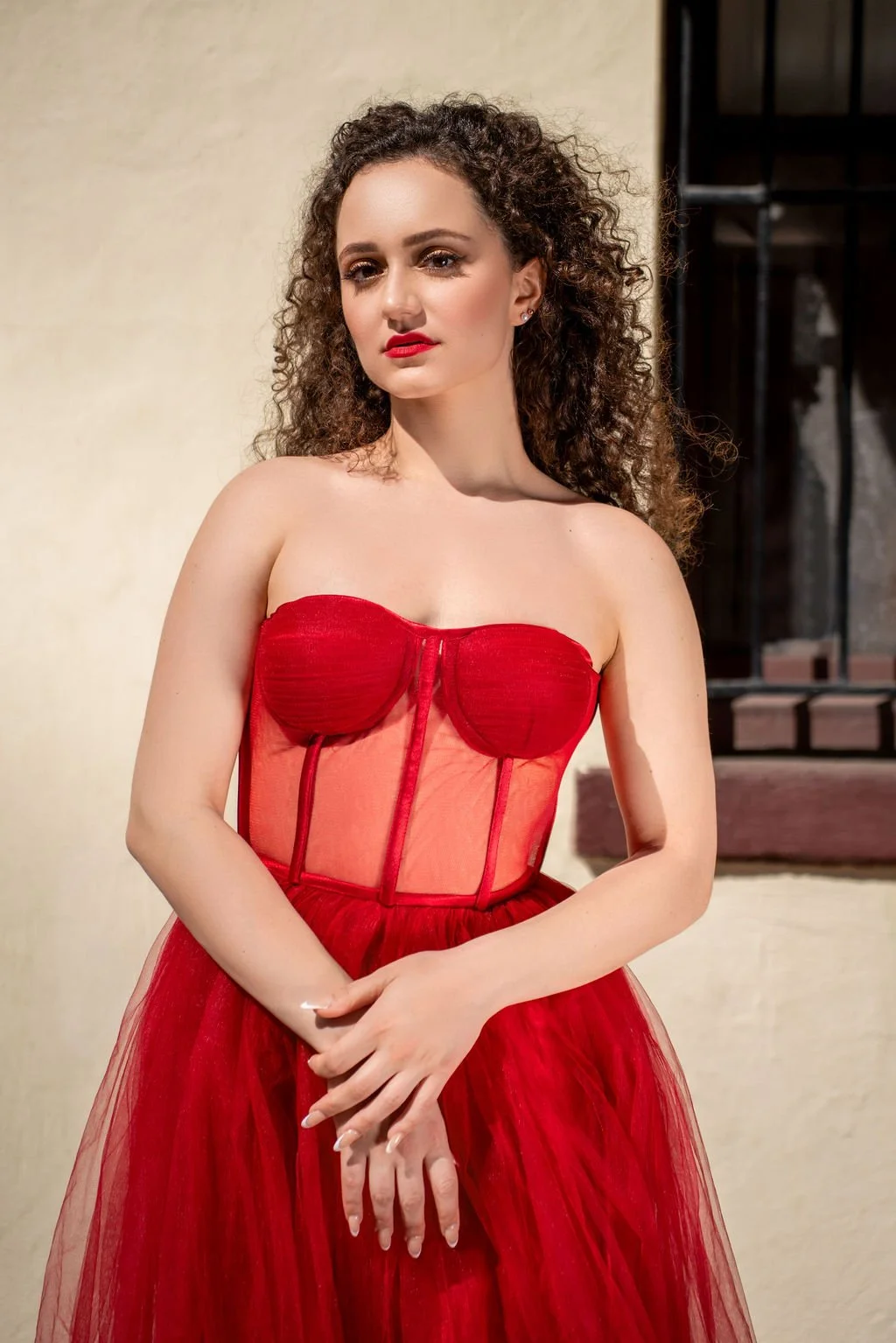
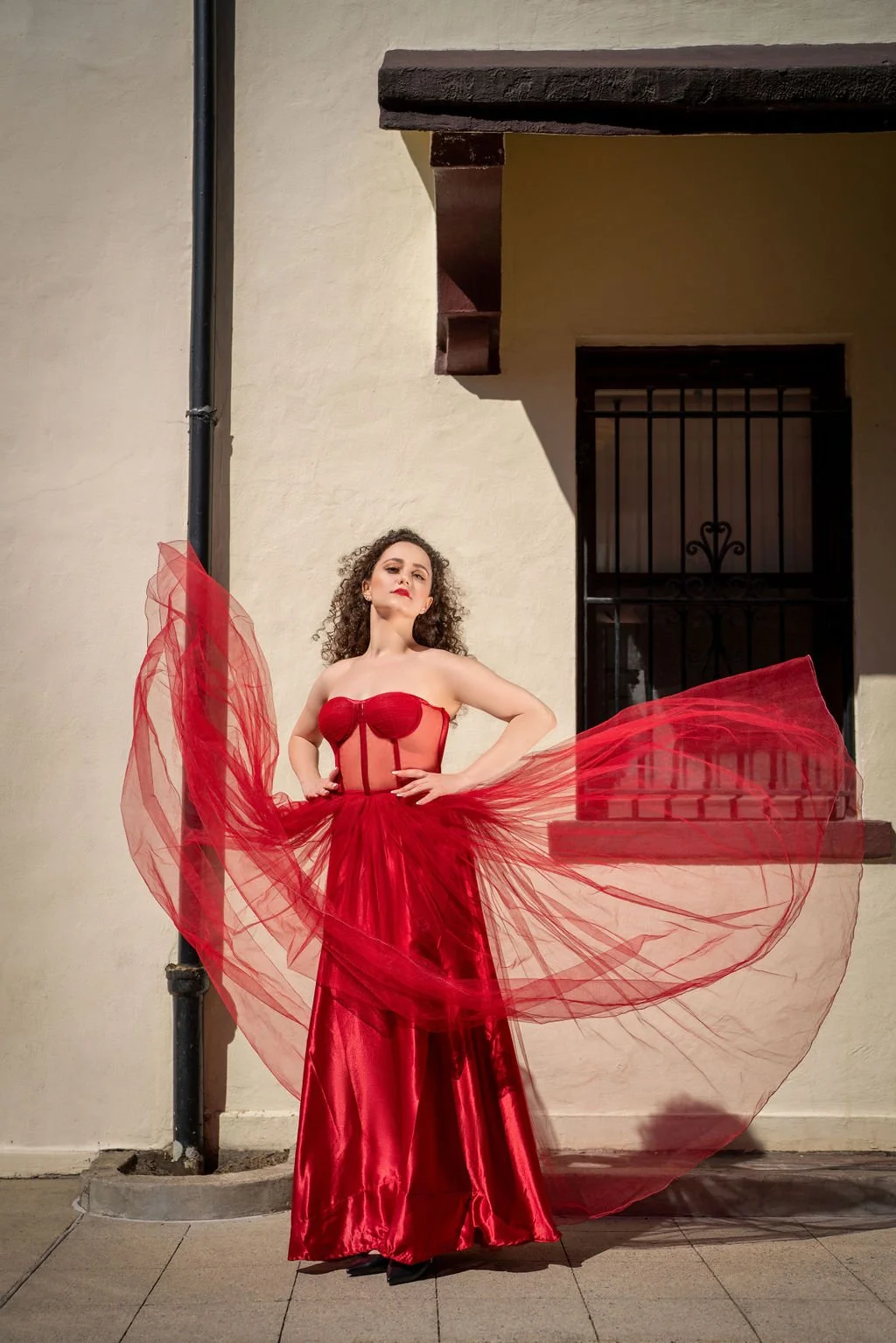
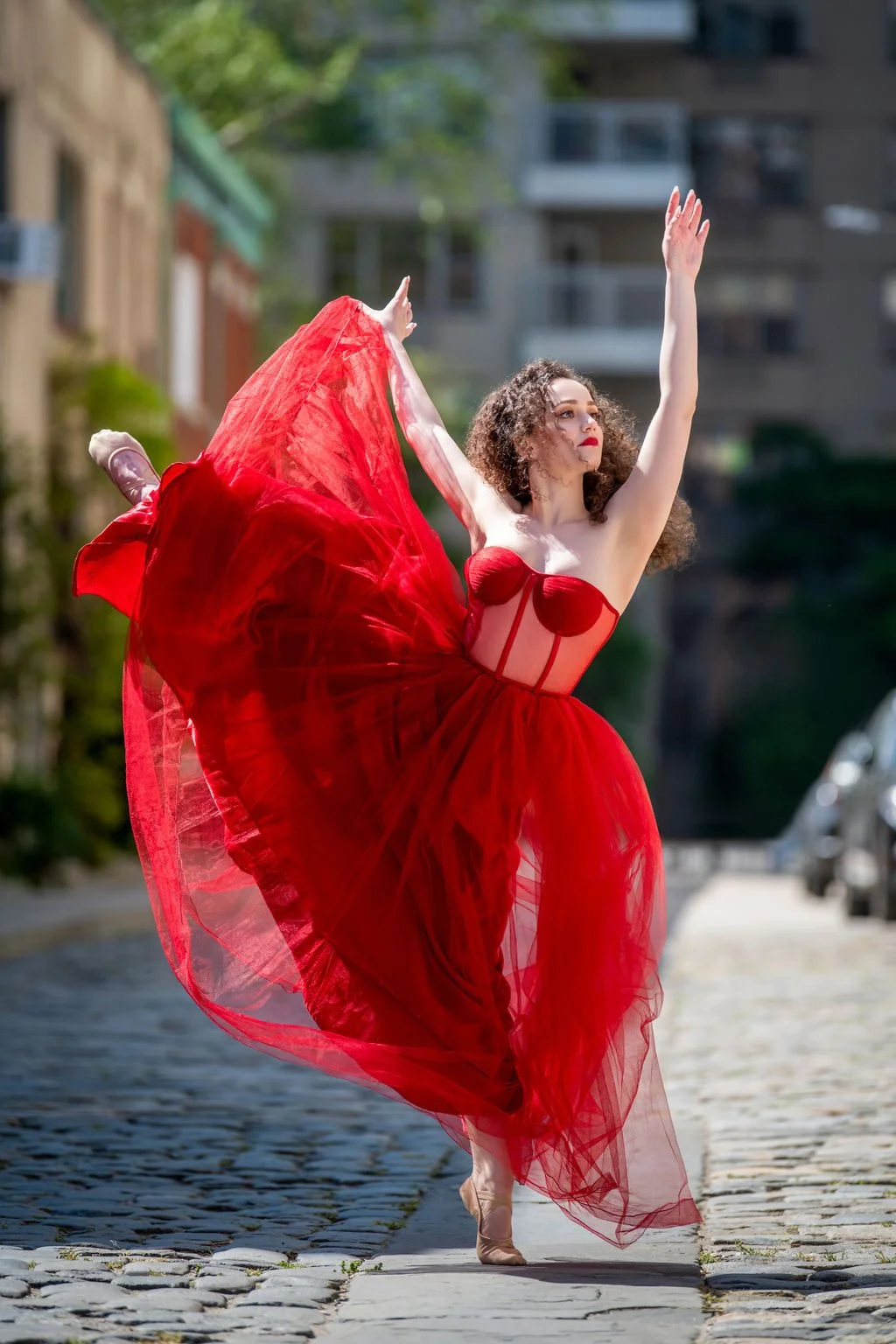
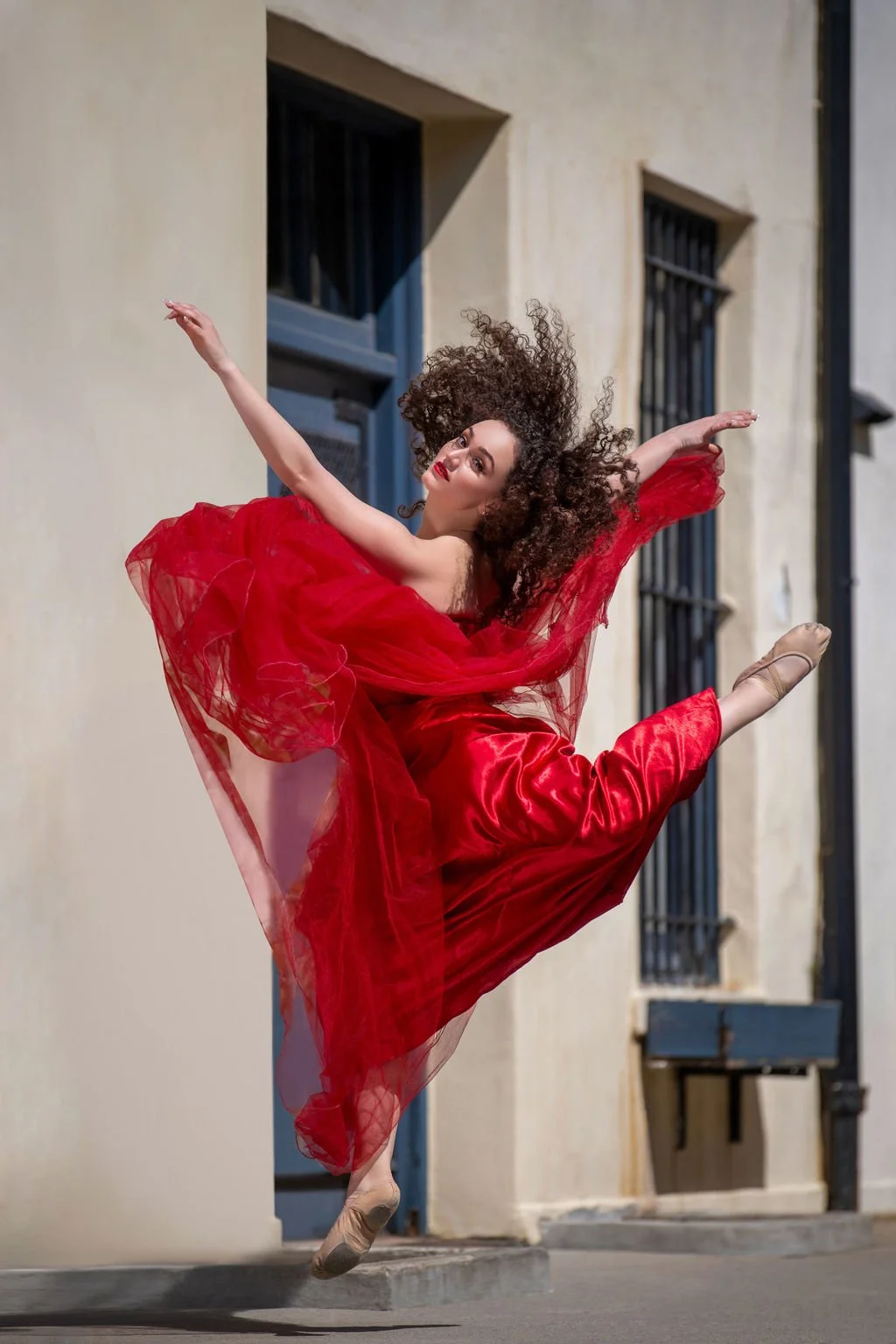
What Are Micro-Stories in Photography?
Micro-stories are small, visual narratives told through a set of images rather than one standalone frame.
Instead of relying on a single “perfect shot,” photographers now create:
A sequence of expressions
A progression of movement
A change in emotion
A layered environment
Each image contributes to a larger narrative — like scenes in a film.
The result feels more immersive, more human, and more complete.
Why Single Frames Are No Longer Enough
The classic single-frame photograph still has value. But audience behavior has changed.
Today’s viewers:
Scroll quickly
Consume content in sequences
Expect context and depth
Engage more with storytelling
On platforms like Instagram, websites, and brand portfolios, people don’t just pause at one image — they swipe, explore, and experience.
A single frame might catch attention.
A sequence keeps it.
From Photography to Visual Storytelling
Modern photography is increasingly influenced by filmmaking.
Instead of asking, “What’s the best shot?”
We ask, “What’s the story we’re telling?”
This shift brings:
Narrative thinking into shoots
Intentional sequencing
Emotional progression
Cinematic framing
At Parish Mandhan Photography, we approach shoots like visual narratives — where each frame plays a role in building the story.
Capturing the In-Between Moments
Micro-stories thrive in the moments that used to be overlooked.
Not just the pose — but the transition into it.
Not just the smile — but the moment before or after.
Not just the subject — but the interaction with the environment.
These in-between moments feel real because they are real.
They create:
Authenticity
Relatability
Emotional depth
Often, the most powerful images are the ones that weren’t planned.
The Role of Movement and Sequence
Movement is what transforms still images into a story.
Even in photography, we can suggest motion through:
Changing angles
Subject interaction
Environmental shifts
Progressive framing
When viewed together, these frames create flow, almost like a silent film.
The viewer doesn’t just see the subject.
They experience the moment unfolding.
Why Micro-Stories Work for Personal Branding
Personal branding photography has evolved dramatically.
Clients no longer want just “good photos.”
They want content that represents who they are over time.
Micro-stories help achieve that by showing:
Personality layers
Natural behavior
Work environment
Thought process
Emotional range
Instead of a static identity, they present a dynamic one.
This makes the brand feel more human, and more memorable.
Applications Across Modern Photography
Micro-storytelling is influencing multiple areas:
Portrait Photography
A series that shows mood shifts, expressions, and personality.
Event Photography
Capturing arrival, interaction, reaction, and energy, not just highlights.
Editorial Shoots
Building visual narratives through styling, movement, and sequence.
Brand Content
Creating content sets that can be used across platforms and formats.
Photography becomes more than imagery, it becomes storytelling.
The Editing Perspective: Where Story Comes Together
Shooting is only half the process.
The story is shaped in how images are selected and arranged.
Editing for micro-stories involves:
Choosing frames that complement each other
Creating visual rhythm
Balancing variety and consistency
Maintaining emotional flow
Instead of picking the “best” image, we curate the best sequence.
That shift changes everything.
Why This Shift Matters Now
In a digital-first world, attention is earned, not given.
Micro-stories:
Increase engagement
Encourage interaction
Build stronger emotional connection
Improve content versatility
They align perfectly with how people consume visuals today.
For photographers, it’s an evolution.
For audiences, it’s a better experience.
How Parish Mandhan Photography Approaches Micro-Storytelling
Our approach is rooted in narrative thinking.
We focus on:
Understanding the subject beyond the surface
Designing shoots with flow and progression
Capturing both planned and spontaneous moments
Creating cohesive visual sequences
Delivering content that works across platforms
We don’t just deliver images.
We deliver stories, frame by frame.
Final Thoughts
Photography is no longer just about freezing a moment.
It’s about connecting moments.
From a single image to a sequence.
From a pose to a story.
From observation to experience.
Micro-storytelling is redefining what photography can be, more layered, more human, and more impactful.
And in that shift, the power of photography doesn’t decrease.
It expands.