
Why Imperfect Beauty Imagery Is Winning Consumer Attention
For years, beauty photography chased perfection, flawless skin, symmetrical features, and heavily retouched images designed to impress. But in 2025, the rules have changed. Today’s consumers aren’t stopping for perfection anymore. They’re stopping for truth.
Imperfect beauty imagery, real skin, natural texture, emotion, and individuality, is winning attention, trust, and loyalty across digital platforms. And brands that embrace this shift are seeing stronger engagement than ever.
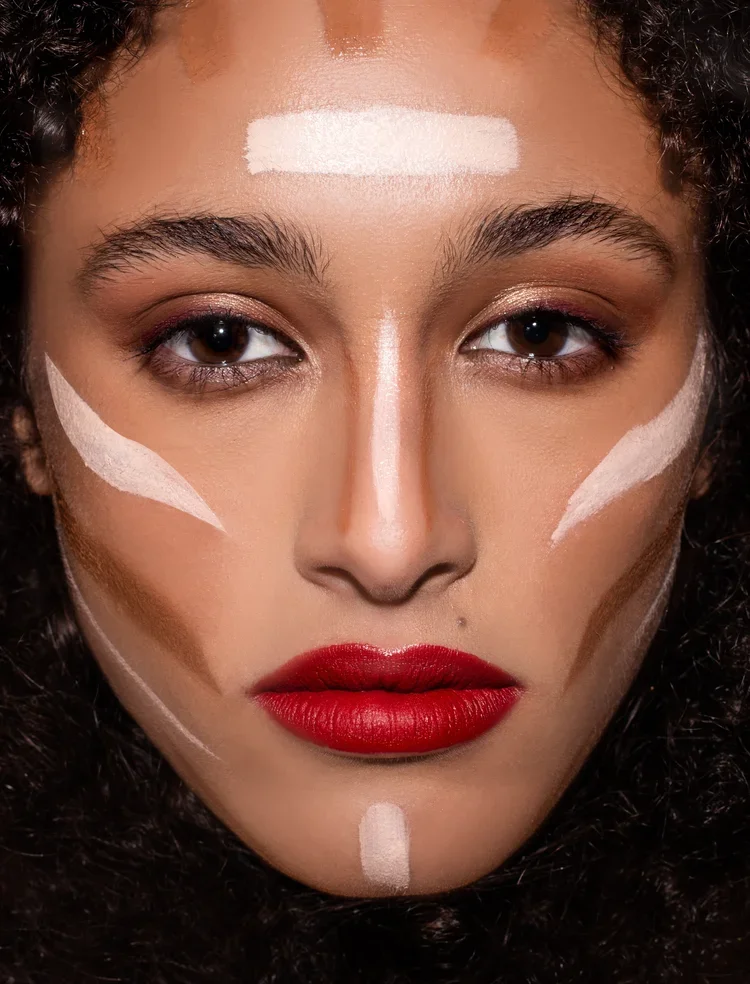
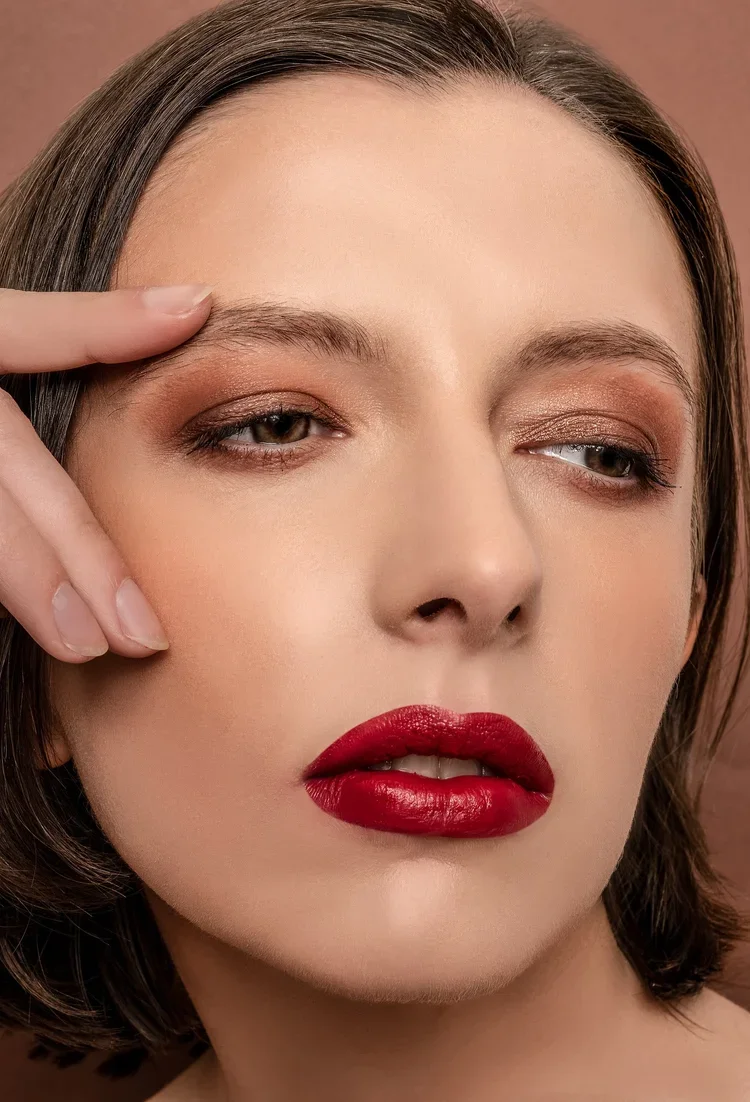

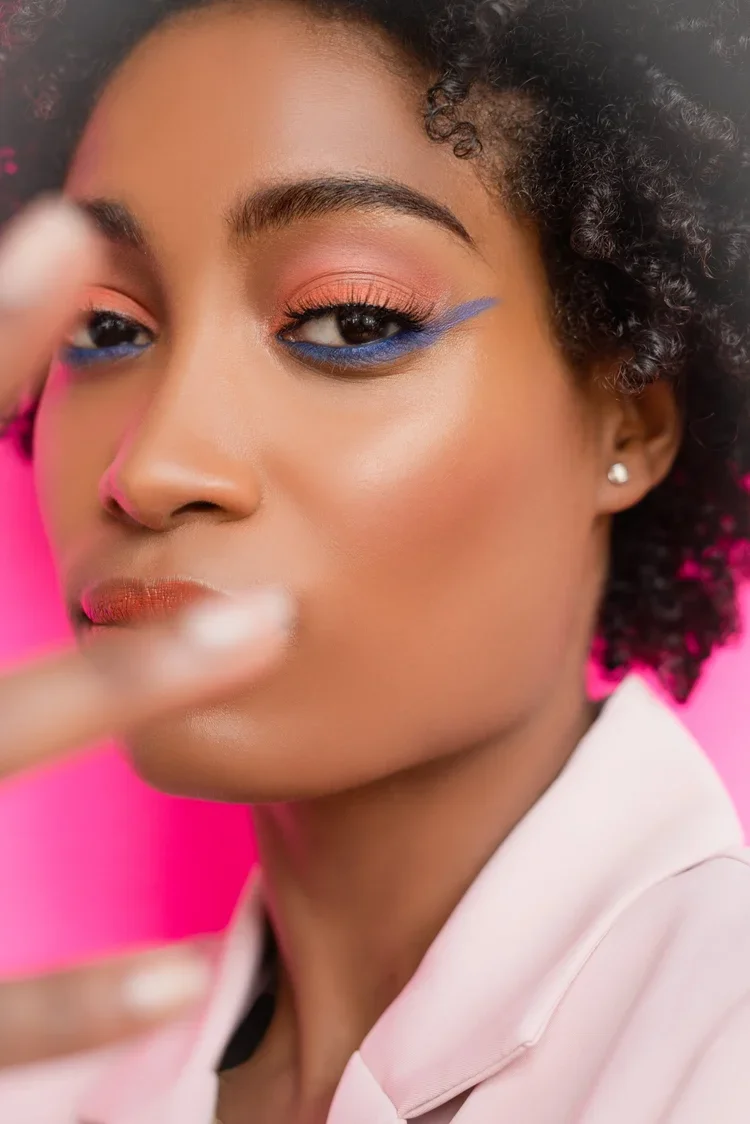
The Shift From Aspiration to Authenticity
Beauty marketing once relied on unattainable ideals. While those images looked polished, they often felt distant. Now, audiences crave representation that feels human.
Consumers want to see:
Skin that looks like skin
Expressions that feel genuine
Beauty that reflects real life
This shift toward authenticity in beauty photography isn’t accidental—it’s a response to a generation that values honesty over illusion.
Why Imperfection Feels More Powerful on Screen
Imperfect imagery doesn’t mean careless, it means intentional realism. Subtle freckles, natural shine, soft lines, and expressive movement create images that feel alive.
From a psychological standpoint, imperfect visuals:
Feel more relatable
Build emotional connection faster
Encourage longer viewing time
Increase brand trust
When viewers recognize themselves in an image, they stay longer—and that’s where real engagement happens.
Social Media Changed the Beauty Standard
Platforms like Instagram, TikTok, and YouTube reshaped how beauty is consumed. Over-retouched images often feel out of place next to raw, real-time content.
Modern beauty photography needs to:
Translate across social feeds naturally
Feel editorial yet approachable
Stand out without looking artificial
Imperfect beauty imagery blends seamlessly into social-first environments while still feeling elevated and intentional.
Trust Is the New Luxury in Beauty Branding
Luxury is no longer defined by perfection alone, it’s defined by confidence. Brands that show real skin tones, texture, and individuality communicate honesty and self-assurance.
When beauty brands embrace imperfection, they send a clear message:
“We trust our product—and we trust our audience.”
That trust builds stronger brand loyalty than flawless visuals ever could.
How Photographers Shape This New Beauty Language
Capturing imperfect beauty requires skill, not shortcuts. Lighting, lens choice, direction, and restraint in retouching all play a role.
A photographer who understands modern beauty storytelling knows how to:
Highlight texture without exaggeration
Use light to flatter, not flatten
Direct emotion instead of posing perfection
Retouch with intention, not erasure
This balance is what separates timeless beauty imagery from trend-driven visuals.
Why Imperfect Beauty Converts Better
When imagery feels real, consumers believe the product will work in real life. That belief directly influences purchasing decisions.
Brands using authentic beauty photography often see:
Higher engagement rates
Stronger emotional response
Better campaign longevity
More meaningful brand conversations
Imperfect beauty isn’t a trend—it’s a strategy.
Final Thoughts
Beauty imagery is no longer about creating distance—it’s about creating connection. Imperfect beauty works because it reflects how people actually look, feel, and live.
In a world saturated with visuals, honesty stands out.
Ready to Create Beauty Imagery That Feels Real?
If you’re a beauty brand looking to create authentic, high-end imagery that connects with modern audiences, I’d love to collaborate.