
How to Build Visual Rhythm in Fashion Films
In fashion films, rhythm is everything. It’s what transforms a sequence of beautiful shots into a living, breathing story. Without rhythm, a fashion film feels flat and disconnected. With rhythm, it feels cinematic, emotional, and unforgettable.
Visual rhythm is the heartbeat of a film. It controls how the viewer feels, where their attention goes, and how deeply they connect with the story. In luxury fashion films, rhythm replaces traditional storytelling. It becomes the narrative.
As a fashion filmmaker and photographer based in New York City, I treat rhythm as the foundation of every fashion film I create. Before thinking about aesthetics, I think about movement, pacing, and emotion.
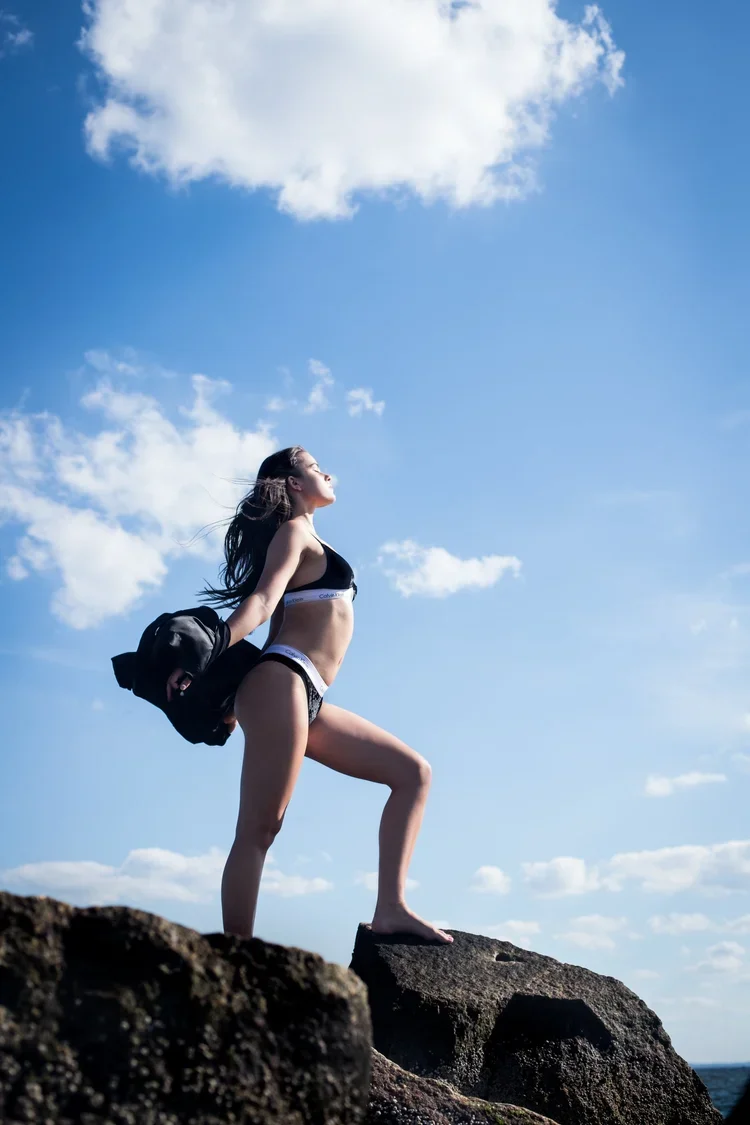
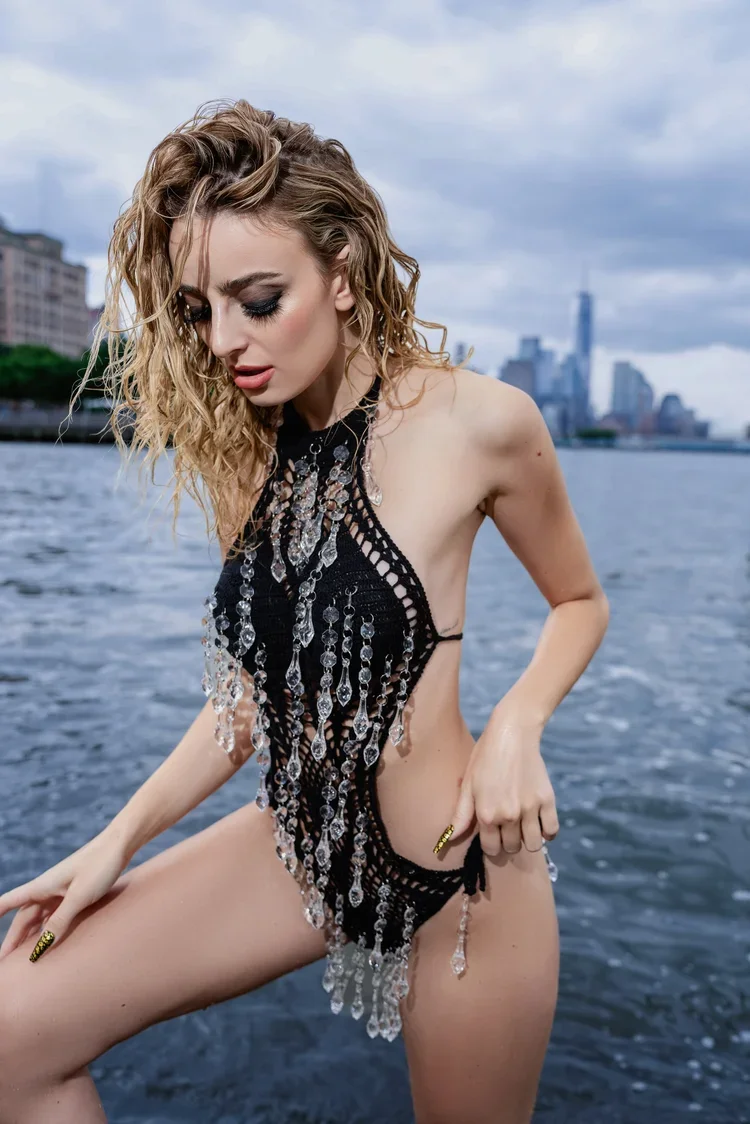
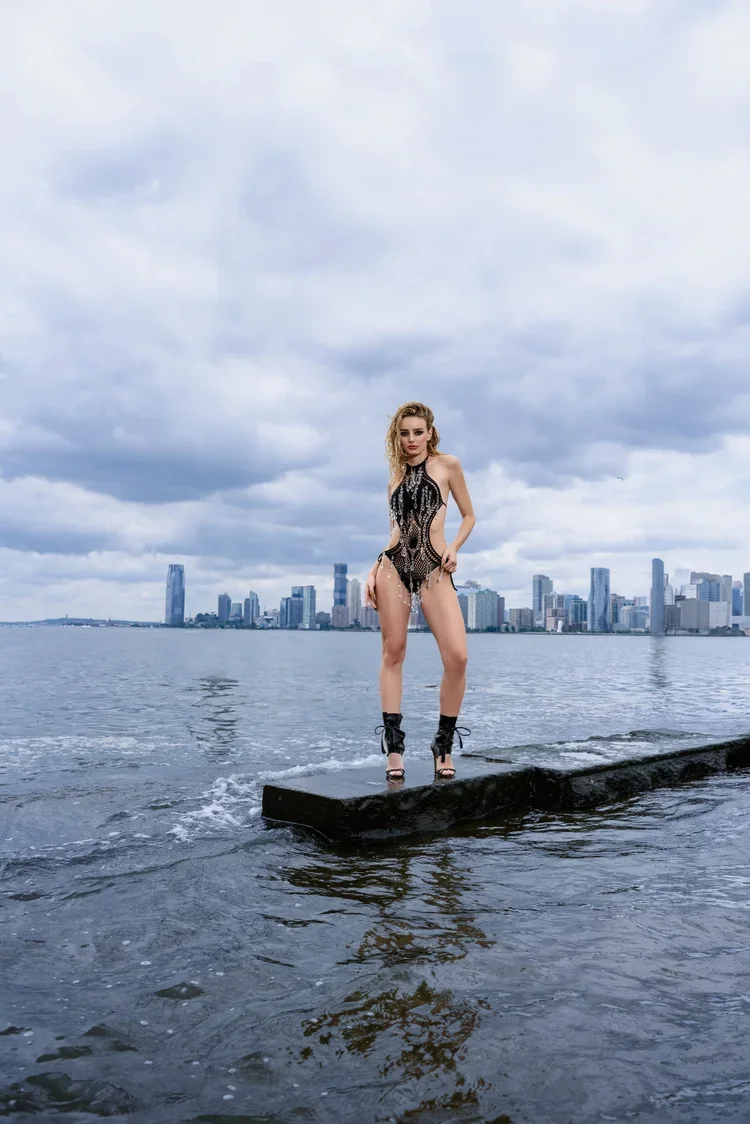
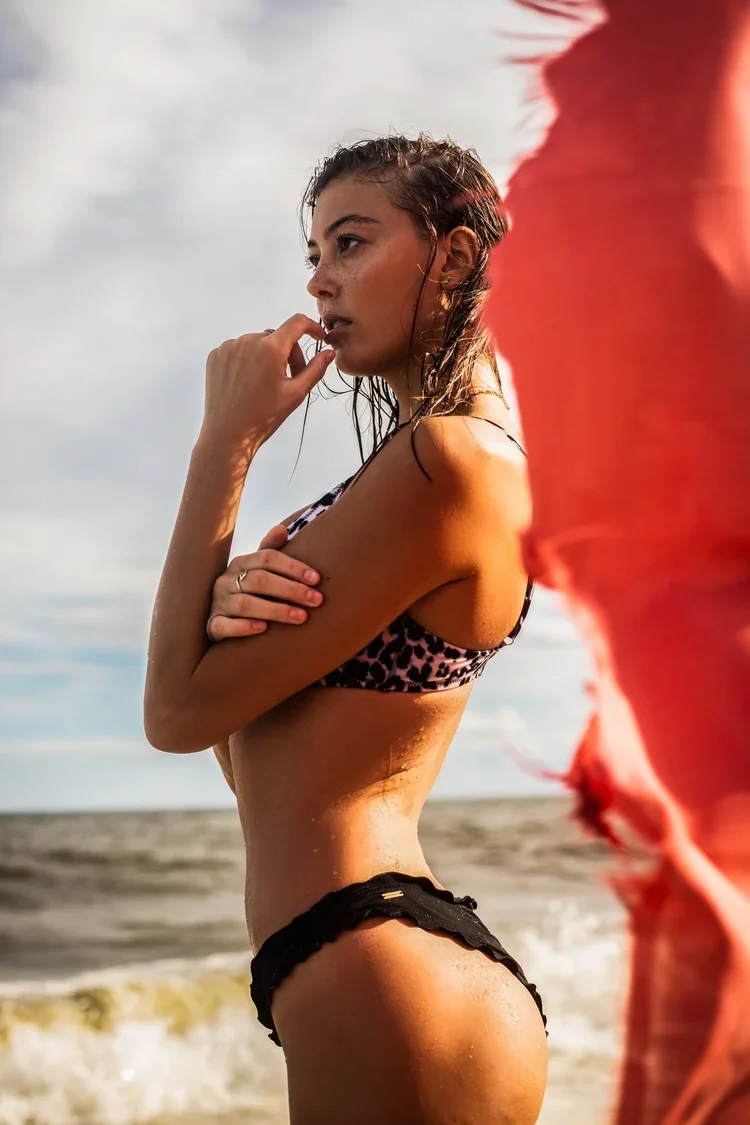
What Is Visual Rhythm in Fashion Films?
Visual rhythm is the flow created by:
Shot duration
Camera movement
Subject movement
Light transitions
Editing pace
Music synchronization
It’s how images communicate through timing rather than words.
In fashion films, rhythm replaces dialogue. It becomes the language of emotion.
Why Rhythm Matters More Than Story in Fashion Films
Unlike traditional films, fashion films don’t rely on plot. They rely on feeling.
Rhythm:
Creates emotional momentum
Holds attention
Builds atmosphere
Makes visuals immersive
Without rhythm, even the most visually stunning frames lose impact.
This is why modern luxury fashion brands prioritize cinematic pacing over literal storytelling.
How Movement Creates Rhythm
Movement is the most powerful rhythmic tool in fashion films.
It comes from:
The model’s body language
Flowing fabric
Hair and gestures
Camera motion
Slow movement creates elegance.
Sharp movement creates power.
Irregular movement creates tension.
Movement defines the emotional tempo of the film.
The Role of Editing in Visual Rhythm
Editing is where rhythm truly comes alive.
The length of each shot controls:
Calmness
Urgency
Intimacy
Drama
Longer cuts feel poetic and luxurious.
Faster cuts feel energetic and bold.
In fashion films, editing becomes choreography.
How Lighting Shapes Rhythm
Lighting doesn’t just illuminate. It guides visual flow.
Changes in light intensity, contrast, and shadow:
Create visual beats
Control emotional shifts
Build continuity
Soft lighting slows the rhythm.
Hard lighting sharpens it.
Lighting becomes the unseen conductor of the film’s pace.
Why Music and Sound Design Are Essential
Music is the spine of visual rhythm.
Every frame should breathe with the soundtrack:
Cuts should follow beats
Motion should match tempo
Silence should feel intentional
Music doesn’t support the visuals.
The visuals respond to the music.
Building Rhythm Through Composition
Composition controls how the eye travels inside the frame.
Using:
Repetition
Negative space
Symmetry
Contrast
You guide visual movement even when nothing physically moves.
This creates a subtle internal rhythm that elevates cinematic storytelling.
Why Visual Rhythm Makes Fashion Films Feel Luxurious
Luxury is about control.
A rhythm-driven fashion film:
Feels intentional
Feels refined
Feels cinematic
Feels expensive
It doesn’t rush.
It allows emotion to breathe.
That restraint is what defines high-end fashion filmmaking.
Explore cinematic fashion films here: View Portfolio
How I Build Visual Rhythm in My Films
Before shooting, I define:
Emotional tone
Pace (slow, fluid, intense, dramatic)
Visual weight of each scene
I design rhythm through:
Movement choreography
Camera motion
Light transitions
Editing structure
Every shot exists not alone, but as part of a visual composition.
Learn more about my creative process: About Page
Why NYC Is the Perfect Canvas for Fashion Films
New York City naturally supports visual rhythm. Its energy, architecture, and contrast bring cinematic movement into every frame.
NYC fashion films feel:
Editorial
Alive
Culturally rich
Artistically bold
It’s a city that breathes rhythm.
Visual Rhythm Turns Fashion Films into Experiences
A fashion film with strong rhythm:
Feels immersive
Feels emotional
Feels timeless
It doesn’t show fashion.
It moves fashion.
Industry Insight
According to American Cinematographer, rhythm through motion, lighting, and editing is what creates emotional continuity in cinematic storytelling.
Learn more at: https://ascmag.com
This same cinematic language now defines high-end fashion films.
Ready to Create a Rhythm-Driven Fashion Film?
If you’re a fashion brand, designer, or creative team looking to create a fashion film that feels cinematic, emotional, and visually powerful, let’s collaborate.