
How Lighting Choices Change the Perception of Makeup Shades
In beauty photography, makeup doesn’t exist on its own, light defines it.
The same lipstick, foundation, or eyeshadow can look dramatically different depending on how it’s lit. That’s why lighting isn’t just a technical decision in beauty photography; it’s a creative one that directly affects how makeup shades are perceived, trusted, and sold.
For beauty brands, understanding this relationship is essential.
Lighting Is Color Interpretation, Not Illumination
Lighting doesn’t simply brighten a subject, it shapes color accuracy. Every light source has its own temperature, softness, and direction, all of which influence how makeup shades appear on skin.
Poor lighting can:
Alter undertones
Wash out pigments
Make rich colors look flat or muddy
Intentional lighting ensures that what viewers see on screen closely matches the product in real life.
Warm vs. Cool Light: How Undertones Shift
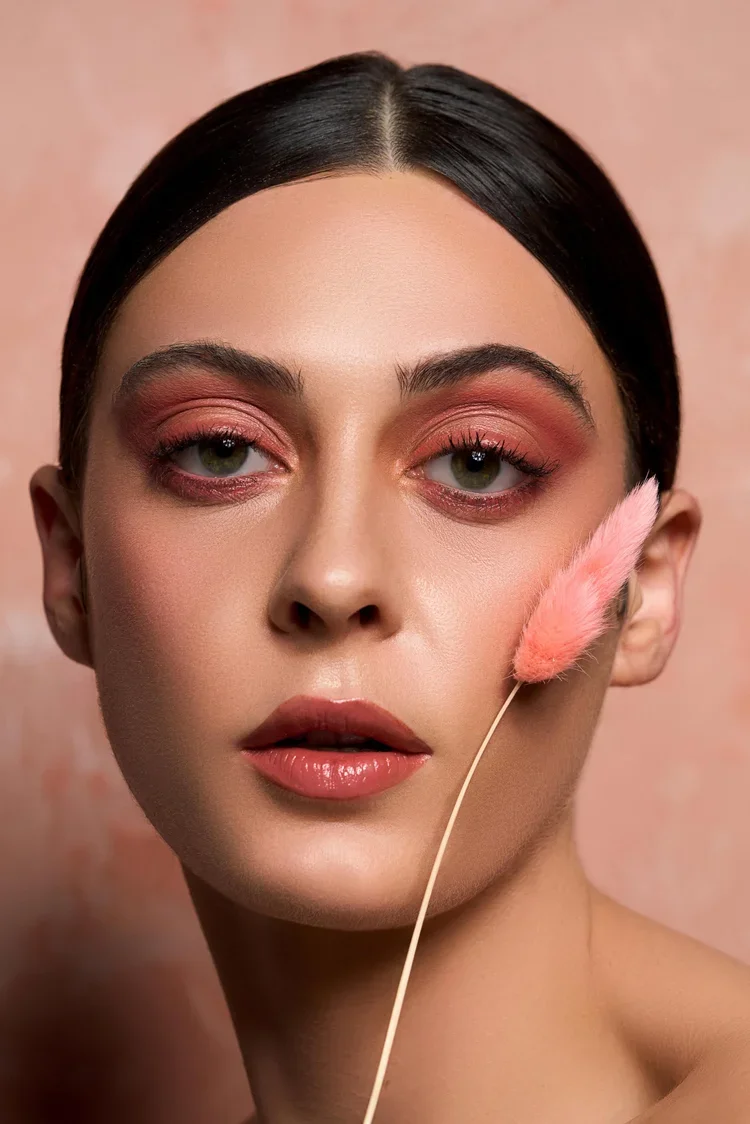
Warm lighting enhances reds, oranges, and golden undertones. Cool lighting brings out blues, purples, and neutral shades.
For makeup photography:
Warm light can make nude lipsticks appear deeper and blush tones more vibrant
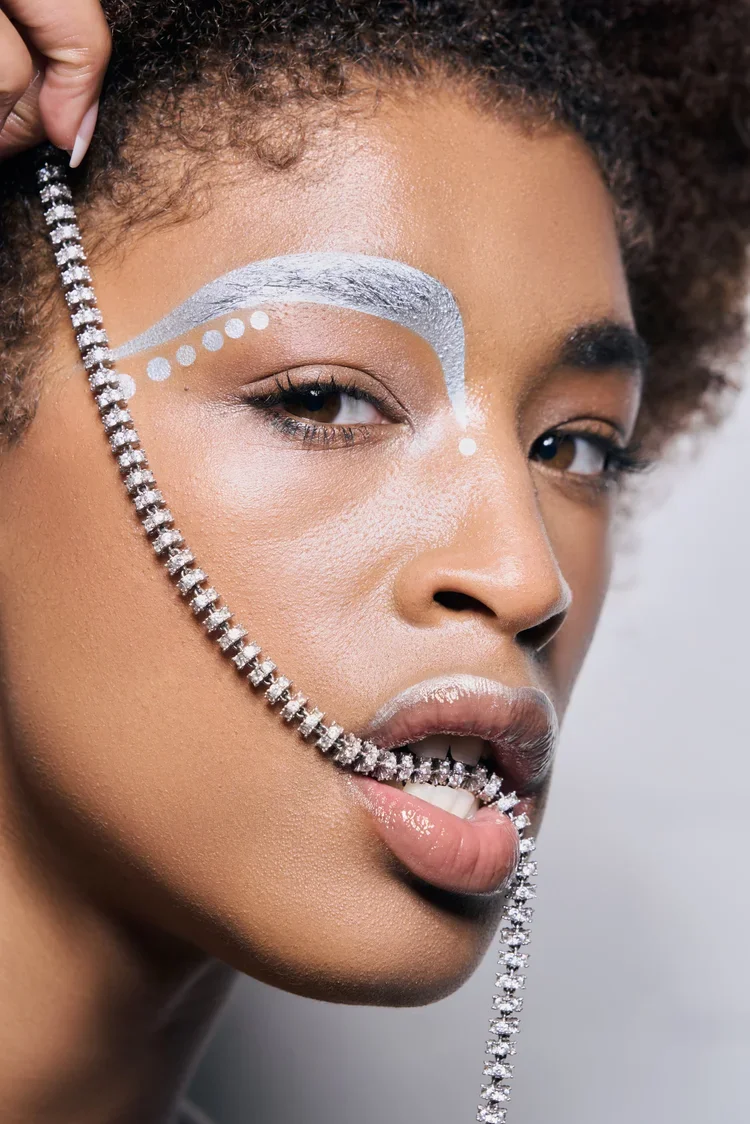
Cool light can emphasize clarity and precision, often used for editorial or high-fashion beauty
Choosing the wrong temperature can unintentionally misrepresent the product—especially foundations and lip colors.
Soft Light vs. Hard Light: Texture Changes Everything
Soft lighting smooths transitions between shades and reduces harsh shadows, making it ideal for:
Skin-focused beauty campaigns
Foundation and skincare imagery
Natural, everyday makeup looks
Hard lighting, on the other hand, increases contrast and definition. It’s powerful for:
Bold eye makeup
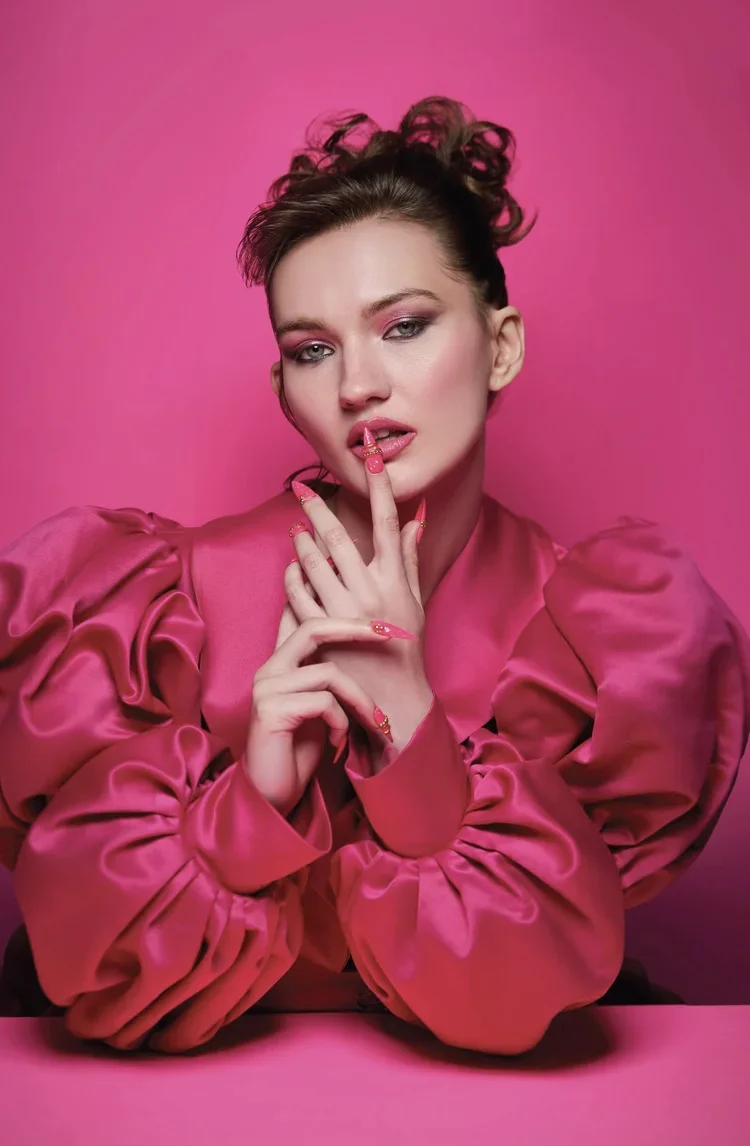
High-pigment lip colors
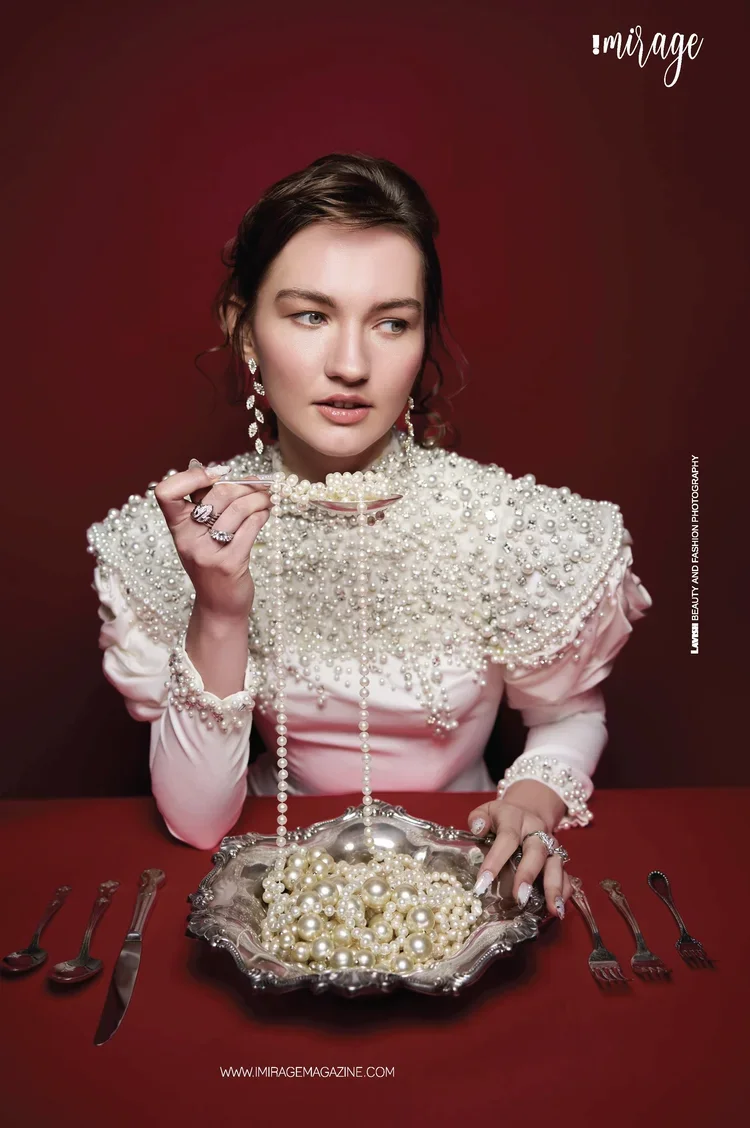
Avant-garde or editorial beauty
The choice directly affects how intense, or wearable, the makeup appears.
Directional Lighting Defines Dimension
Where the light comes from matters just as much as its quality.
Front lighting flattens features and tones down contrast
Side lighting enhances contour, depth, and color layering
Top lighting can sculpt cheekbones but may deepen shadows
For makeup photography, lighting direction must complement the artist’s work—not fight it.
Skin Tone + Lighting = True Shade Accuracy
Makeup reacts differently across skin tones. A lighting setup that works for one model may distort shades on another.
Professional beauty photography requires:
Adjusting exposure per skin tone
Modifying light ratios instead of using one fixed setup
Preserving undertones without overcorrecting in post
This is where experience matters, because one-size-fits-all lighting doesn’t exist in beauty photography.
Why This Matters for Beauty Brands
Consumers are more informed than ever. If a product looks different in real life than it does online, trust erodes instantly.
Accurate lighting:
Builds credibility
Reduces customer dissatisfaction
Enhances brand consistency
Helps products perform better across platforms
Lighting isn’t just about aesthetics, it’s about honesty and conversion.
Final Thoughts
Makeup shades are only as powerful as the light revealing them. When lighting choices are intentional, makeup feels true, dimensional, and desirable. When they’re careless, even the best products lose their impact.
In beauty photography, light is the silent storyteller.
Planning a Beauty Shoot That Needs True Color Accuracy?
If you’re creating a beauty campaign and want your makeup shades to look exactly as intended-on every screen, let’s collaborate.
Contact me to discuss your project
View the beauty portfolio to see recent work
Because great makeup deserves great lighting.