
How to Style a Fashion Photoshoot Around a Concept or Mood Board
The difference between a fashion shoot that feels random and one that feels intentional almost always comes down to concept. A clear mood board and a defined theme give every decision, wardrobe, location, makeup, poses, a reason to exist together. Here's how to build one and actually execute it.
1. Start With a Single, Clear Idea
Before pulling any references, define the concept in one sentence. Vague ideas ("something edgy" or "kind of moody") are hard to translate into cohesive choices. Stronger starting points look like:
"1970s New York nightlife, warm tones, soft grain"
"Minimalist Scandinavian, cool tones, clean lines"
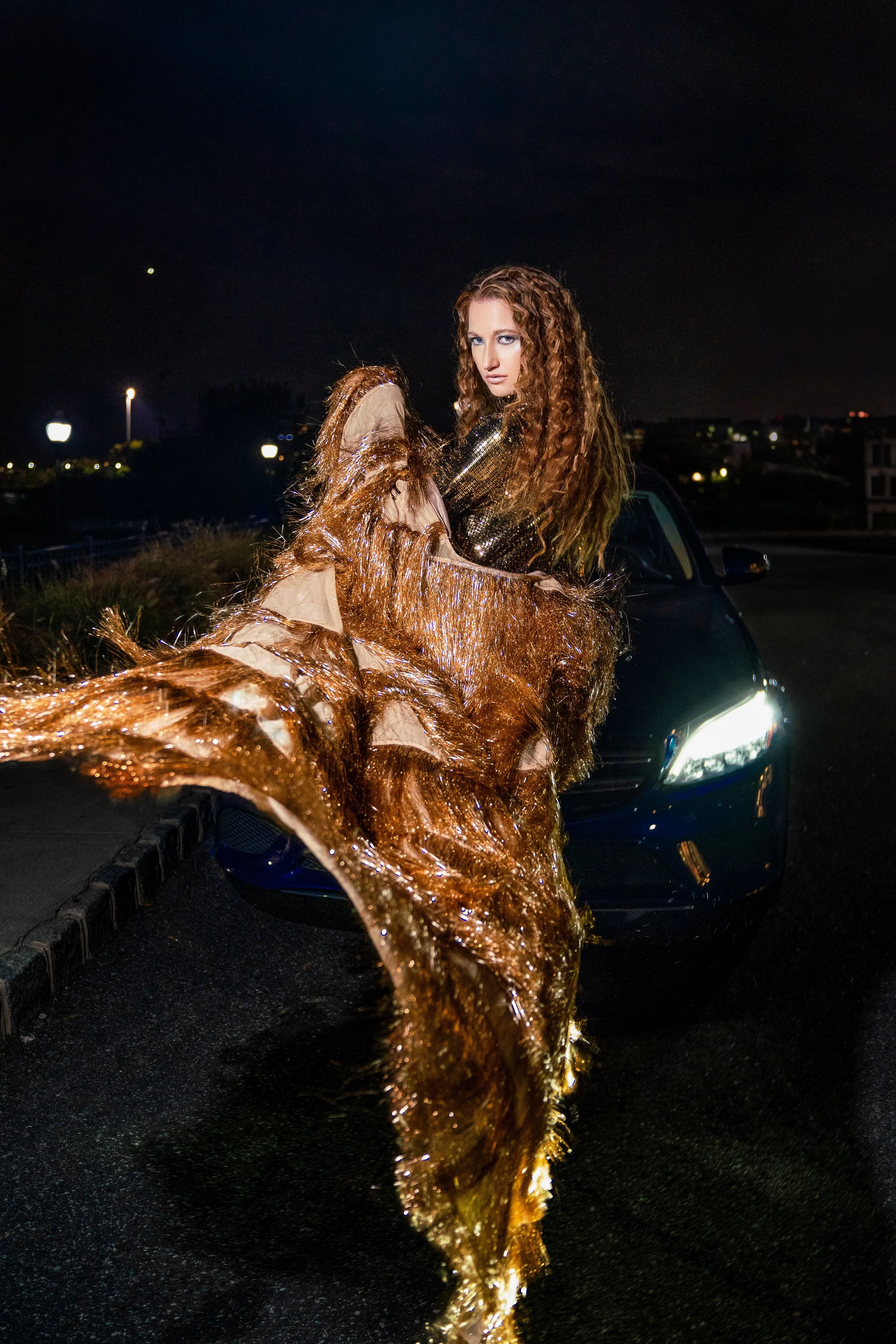
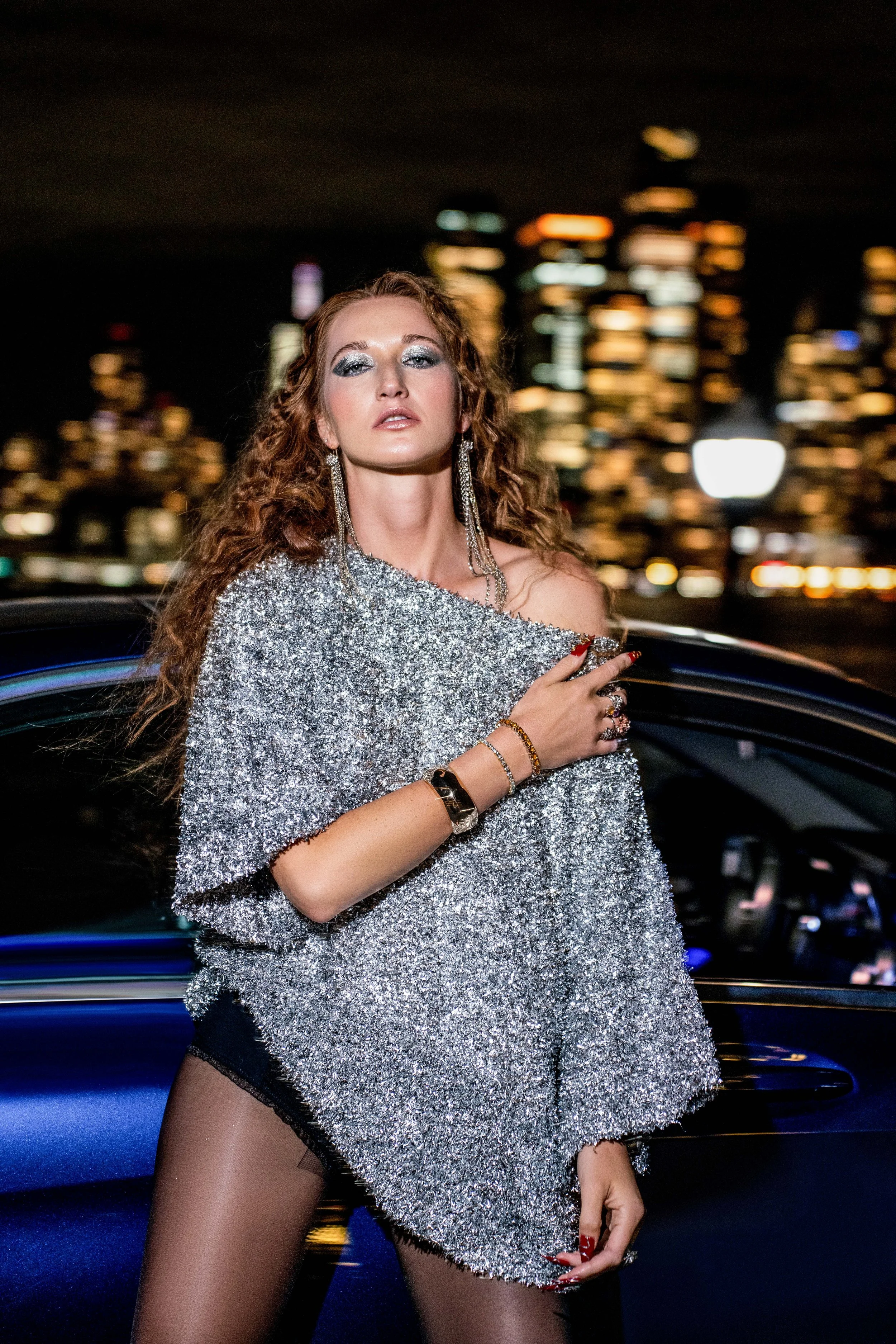
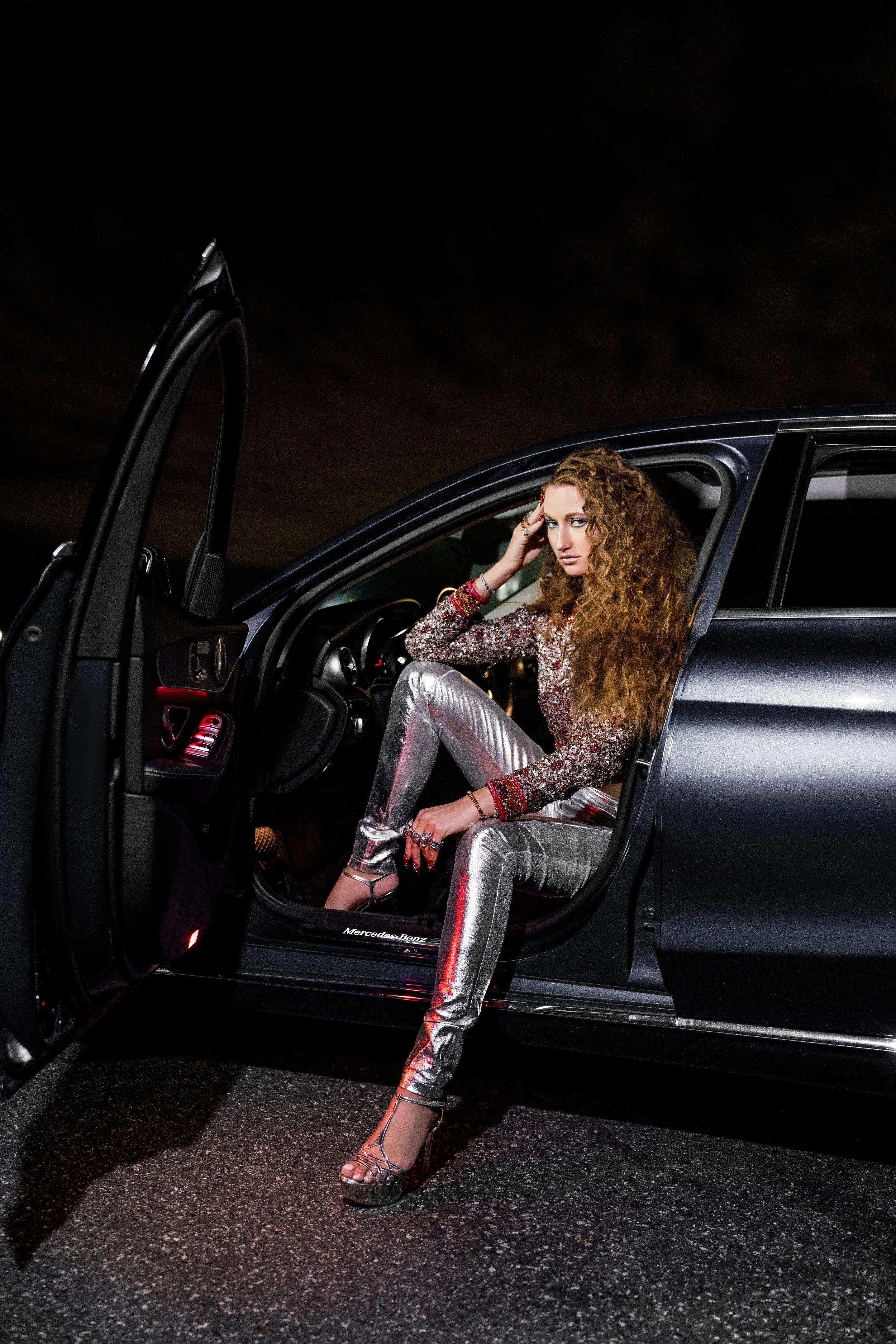
"Futuristic, metallics, hard studio light"
"Romantic garden editorial, soft pastels, natural light"
A specific concept makes every downstream decision, wardrobe, location, lighting, easier to align.
2. Build a Mood Board With Purpose, Not Just Pretty Images
A mood board isn't a random collection of inspiring photos, it's a reference tool the whole team (photographer, model, stylist, MUA) can align around. A strong mood board typically includes:
Color palette, 3-5 dominant tones that should appear throughout the shoot
Lighting references, examples of the mood and quality of light you're going for (soft and natural vs. hard and dramatic)
Pose and composition references, how models are positioned, camera angles, framing style
Texture and fabric references, the materials and silhouettes that fit the concept
Location or backdrop references, the type of setting (urban, natural, studio) that supports the theme
Pinterest, Instagram saves, and dedicated moodboard tools (like Milanote or a simple shared folder) all work, what matters is that everyone involved reviews and agrees on it before shoot day.
3. Translate the Mood Board Into Wardrobe Choices
Once the concept and palette are set, wardrobe choices should visibly connect back to it:
Pull pieces that match the color palette first, this alone creates visual cohesion even with varied silhouettes
Choose textures and fabrics that reinforce the mood (flowy fabrics for romantic concepts, structured pieces for editorial/futuristic concepts)
Avoid pieces that clash with the palette or feel randomly included, even if they're personal favorites — see our wardrobe guide for more on choosing solid, cohesive outfit options
4. Match Location to Concept
The location should reinforce the story, not fight it. A moody, editorial concept shot in a bright, cheerful park will feel disconnected no matter how good the wardrobe and makeup are. Once your concept is locked, revisit your location options (see our rooftop locations or park location guides) specifically through the lens of your mood board's color palette and lighting style.
5. Align Makeup and Hair With the Same Reference
Makeup and hair should be chosen with the same intentionality as wardrobe, natural, soft-glam, or bold glam (see our natural vs glam guide) should be decided based on what supports the concept, not personal preference alone. Share the mood board directly with your MUA ahead of time so they can plan products and techniques that match the palette and mood, not just "editorial makeup" in general.
6. Direct Poses and Composition With the Concept in Mind
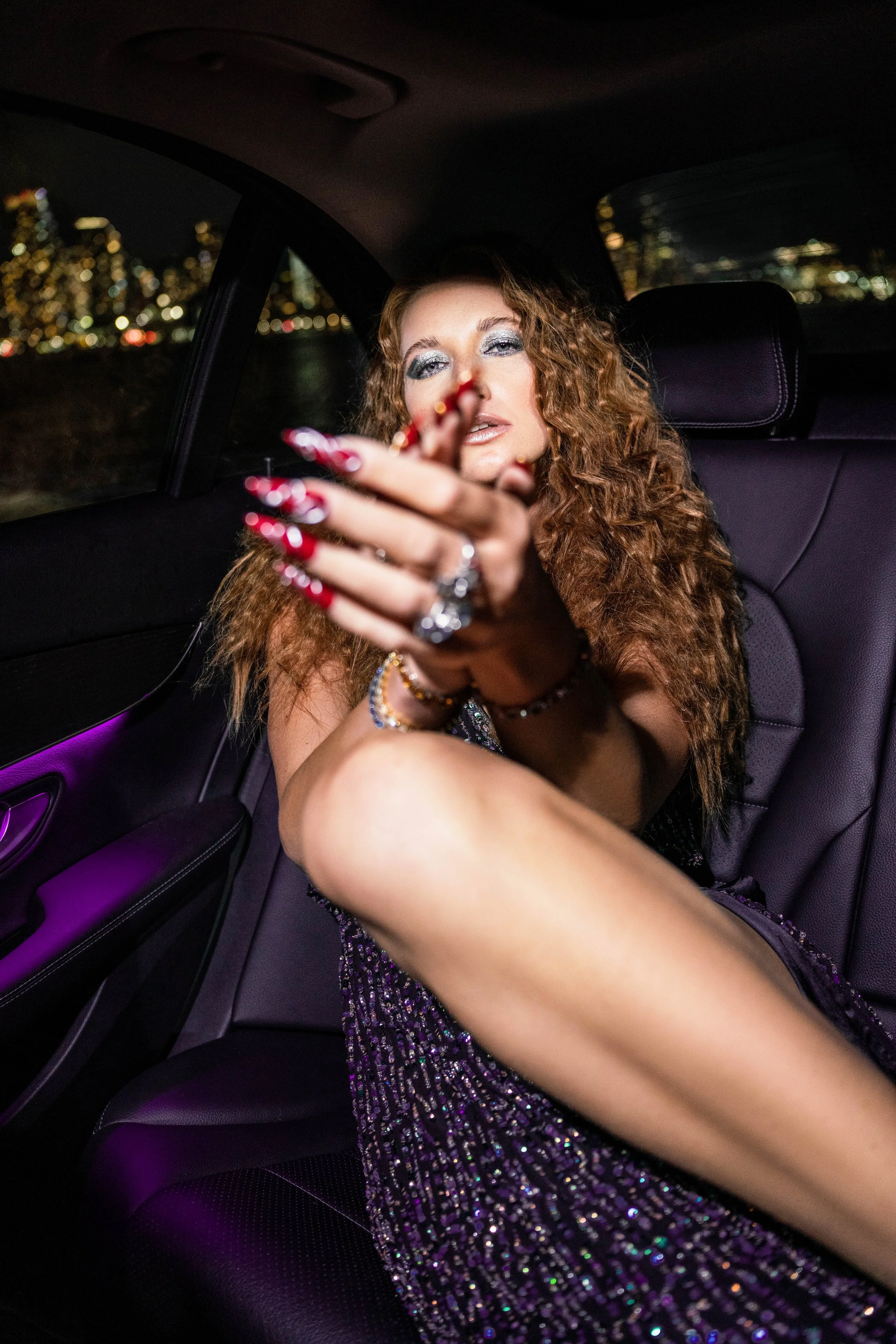
Even posing should reflect the mood board. A soft, romantic concept calls for flowing movement and gentle expressions; a sharp, futuristic concept calls for more angular, structured poses. Reviewing pose references together beforehand, rather than improvising entirely on the day, keeps the whole shoot visually consistent.
7. Keep the Whole Team Aligned Before Shoot Day
The biggest risk to a strong concept isn't a bad idea, it's miscommunication. Share the mood board with the photographer, model, stylist, and MUA before shoot day, and make sure everyone understands the color palette, mood, and reference images the same way. A quick call or message thread beforehand prevents surprises and last-minute mismatches.
Final Thoughts
A strong fashion concept isn't just a nice-to-have, it's what turns a collection of good individual photos into a cohesive, memorable editorial. Build a focused mood board, translate it clearly into wardrobe, location, makeup, and posing, and make sure the whole team is aligned before shoot day. The result is a shoot that feels intentional from the first frame to the last.
Have a concept in mind for your next fashion shoot in NYC? Book a session and let's build a mood board and shoot plan together.