
How to Plan a Fashion Editorial Shoot: A Step-by-Step Timeline
A great editorial shoot rarely happens by accident. Behind every polished, magazine-quality image is weeks of planning, concept development, casting, styling, location scouting, long before anyone picks up a camera. If you're planning your first editorial shoot (or trying to make your next one run smoother), here's the timeline I walk clients through, from first idea to final gallery.
4–6 Weeks Before: Concept and Direction
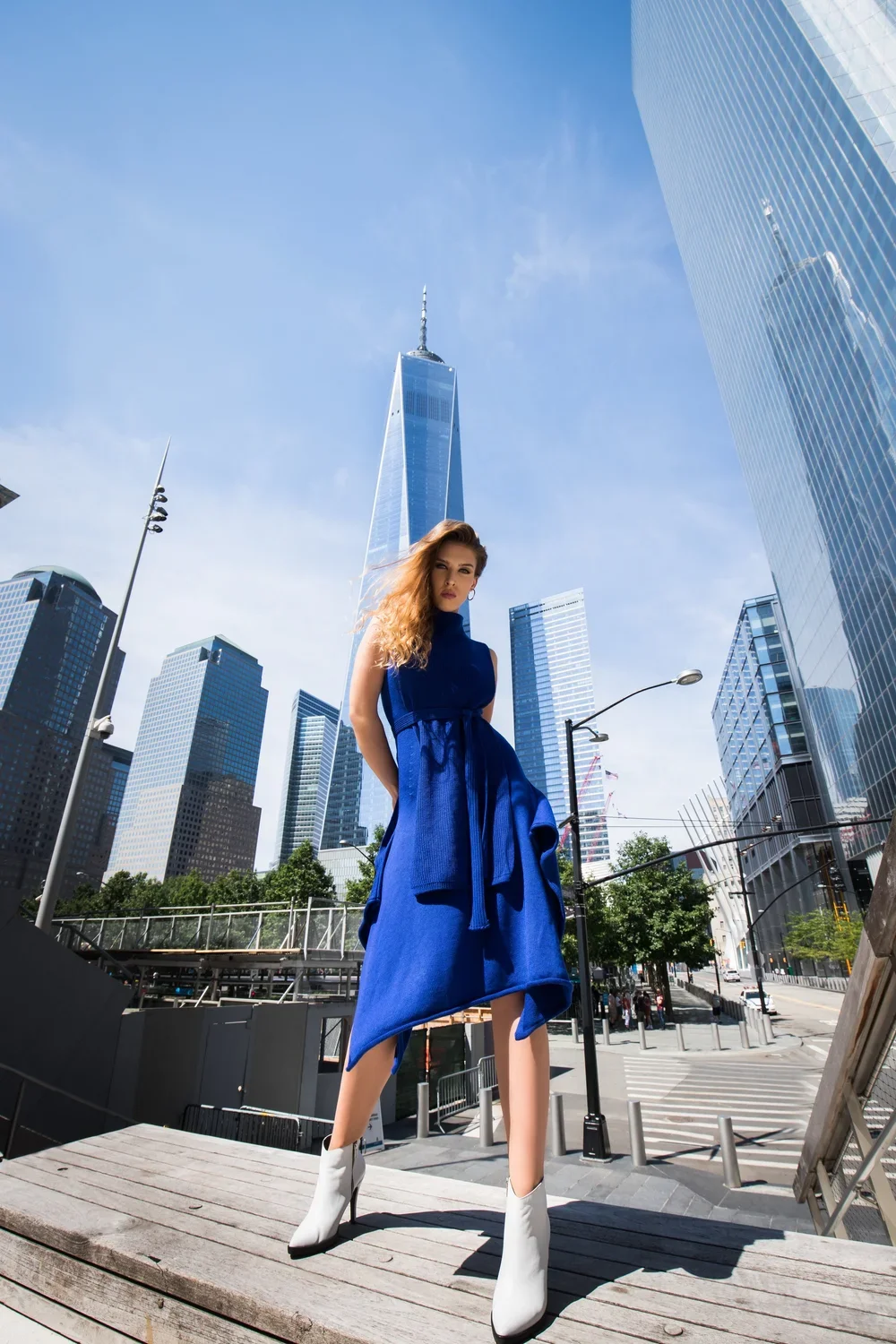
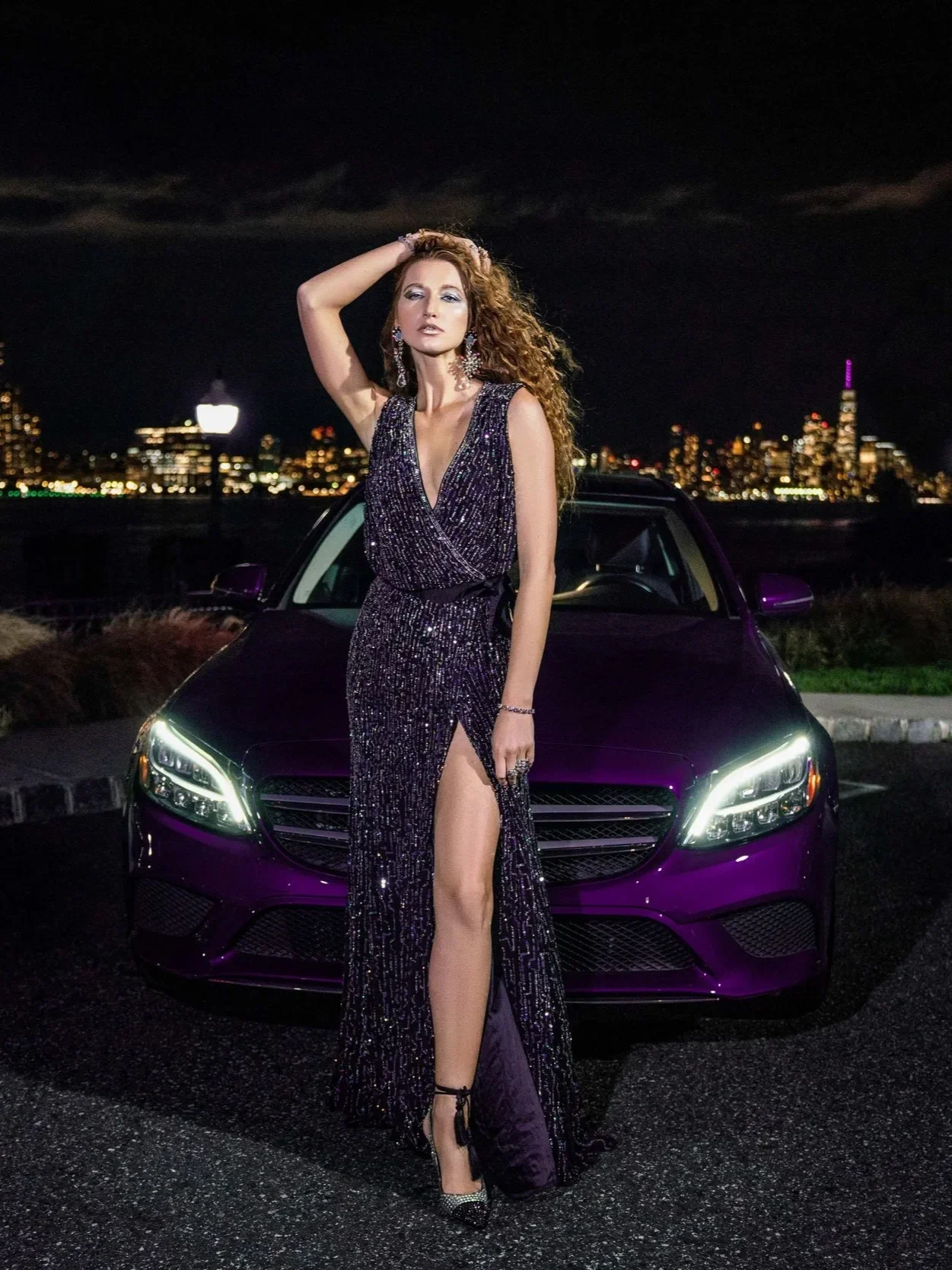
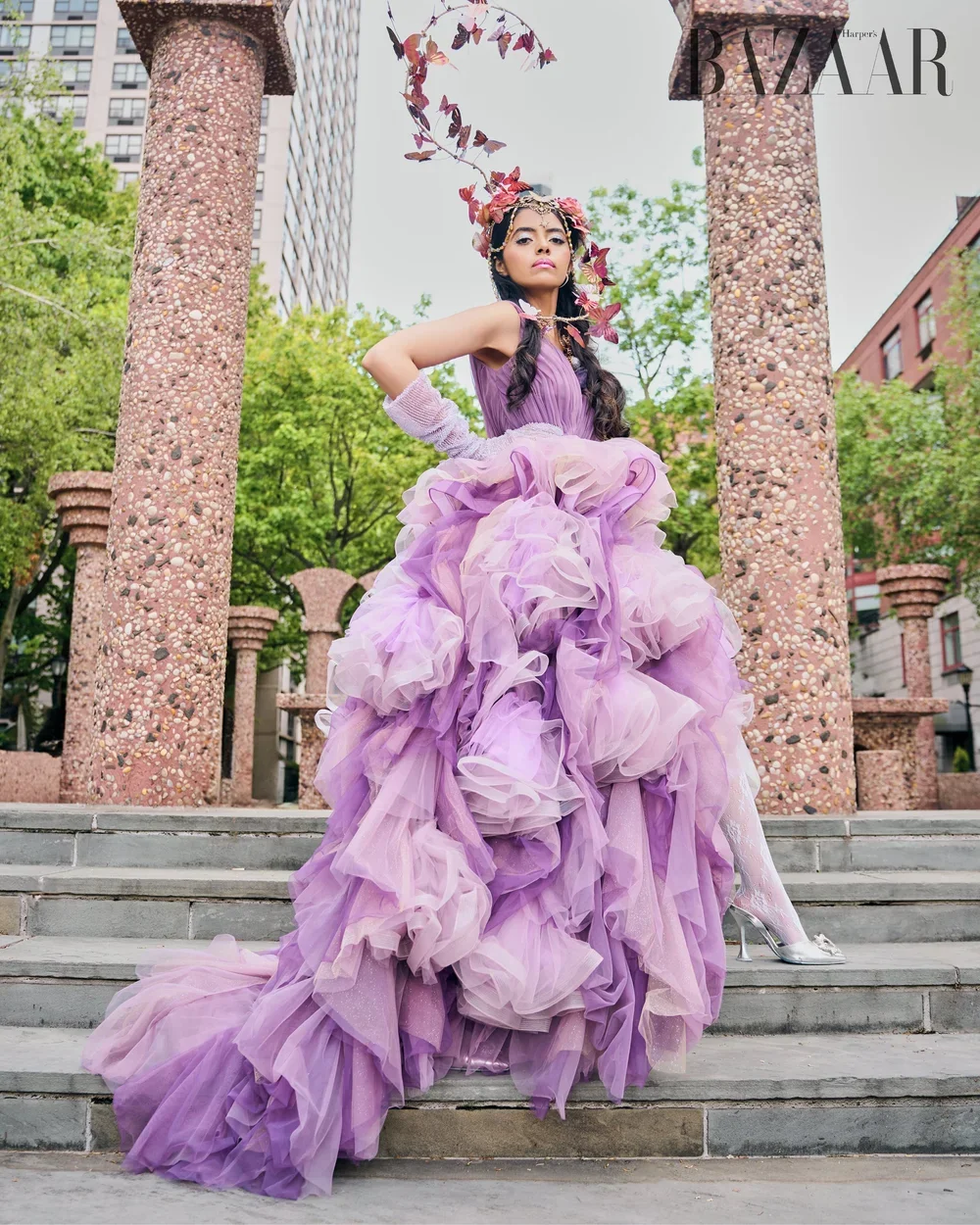
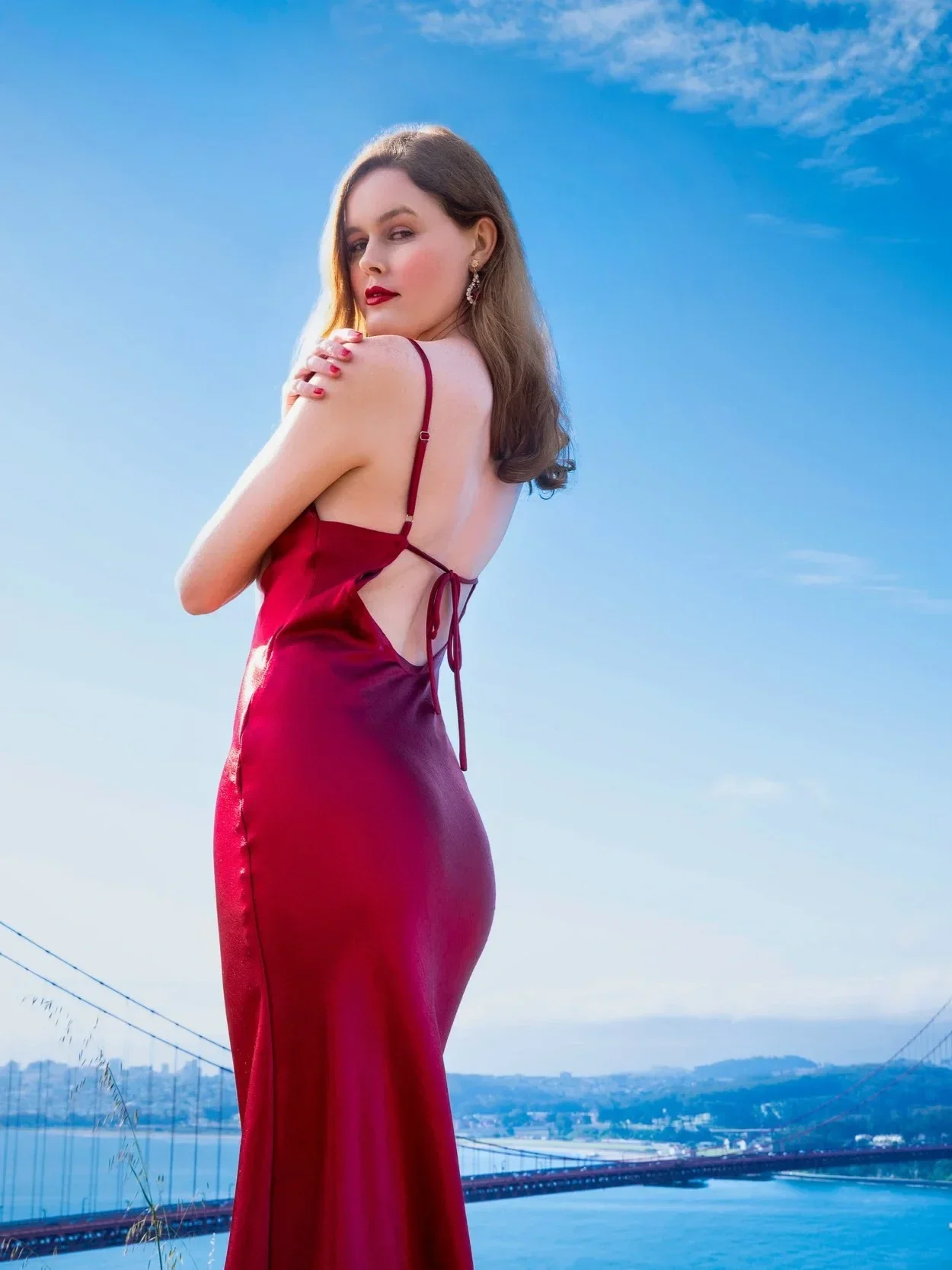
Everything starts with a clear concept. Before anything else gets booked, we need to answer: What story is this editorial telling? (A mood, a season, a brand narrative, a specific collection) What's the visual reference point, moody and cinematic, bright and clean, vintage-inspired, futuristic? Where will these images live, a magazine submission, your website, a lookbook, social content, or all of the above? This is also when I build a mood board with the client, pulling reference imagery for lighting style, color palette, and posing direction. A tight concept at this stage saves an enormous amount of second-guessing on shoot day.
3–4 Weeks Before: Location and Team
With a concept locked, it's time to build the team and lock the setting: Location scouting. Whether it's a studio, a street location, or a specific building interior, the location needs to match the mood board and if it's a public NYC location, this is the point to check permit requirements and backup weather dates. Casting. Booking the right model (or models) for the concept not just someone who looks good, but someone whose energy fits the story you're telling. Styling team. Locking in a stylist, hair, and makeup artist who work in a compatible visual language to the concept. A stylist who leans minimalist and a makeup artist who leans bold and editorial can clash if they aren't briefed on the same reference.
2 Weeks Before: Wardrobe and Shot List
Wardrobe pulls or fittings. If working with a designer or brand, this is when garments get pulled, steamed, and checked for fit on the actual model — catching sizing issues now instead of on shoot day. Building the shot list. I put together a structured list of key shots based on the mood board — not to be rigid about it, but so we have a clear checklist of "must-haves" before we start improvising and exploring on set. Confirming crew and schedule. Call times, location access windows, and a rough shot order timed against natural light if shooting outdoors.
1 Week Before: Final Confirmations
Confirm weather contingency plans for outdoor shoots Confirm all team members' call times and locations Finalize wardrobe steaming/pressing and pack by look, in shooting order Charge all gear, prep backup memory cards and batteries Send a final one-page shoot plan to everyone involved — model, stylist, MUA, hair, and any assistants, so there's no ambiguity on the day
Shoot Day
Arrive early to set up lighting and do a final location check before the team arrives Start with a quick team huddle — walk through the concept, the shot list, and the order of looks so everyone is aligned before the first frame Shoot in blocks by look, checking images on a monitor or screen periodically so hair, makeup, and styling can make small adjustments between setups Leave room for the unplanned shot. Some of the strongest images from an editorial come from moments outside the shot list — a candid laugh, an unexpected pose, a lighting change nobody scripted. The shot list is a foundation, not a cage.
After the Shoot: Editing and Delivery
Culling. I go through the full shoot and select the strongest images before any retouching begins — usually narrowing hundreds of frames down to a tight, intentional final set. Color grading and retouching, matched to the mood board established at the very start of the process, so the final images feel cohesive rather than shot-by-shot inconsistent. Delivery, typically within 5–10 business days for a full editorial set, depending on the number of final images and retouching complexity.
The Real Key to a Smooth Editorial Shoot
The shoots that go smoothly are almost never the ones with the biggest budget, they're the ones with the clearest concept established weeks in advance. Every step above exists to protect that concept, from the mood board through final delivery, so shoot day is about execution, not decision-making.
Planning Your Next Editorial?
I handle editorial shoots start to finish, concept development, casting guidance, location scouting, and full creative direction on the day. Get in touch with your timeline and vision, and I'll help you build the plan from here.