
How to Choose the Right Makeup Artist for Your Shoot
Makeup is one of the most overlooked parts of a photoshoot's planning process, but it has a huge impact on the final images. The wrong makeup artist (or the wrong fit for your specific shoot) can throw off the whole concept, no matter how good the photographer or location is. Here's how to choose the right one.
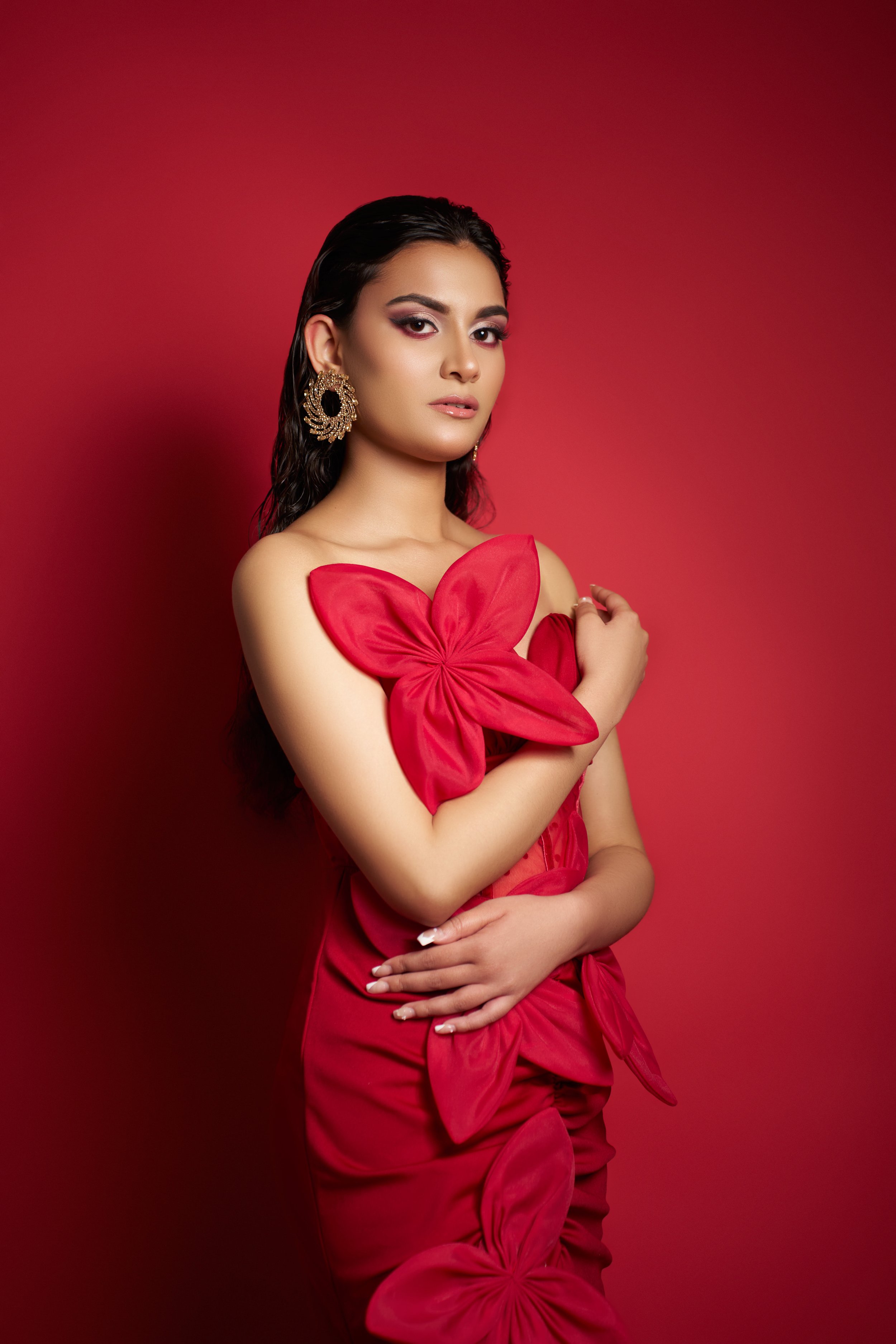
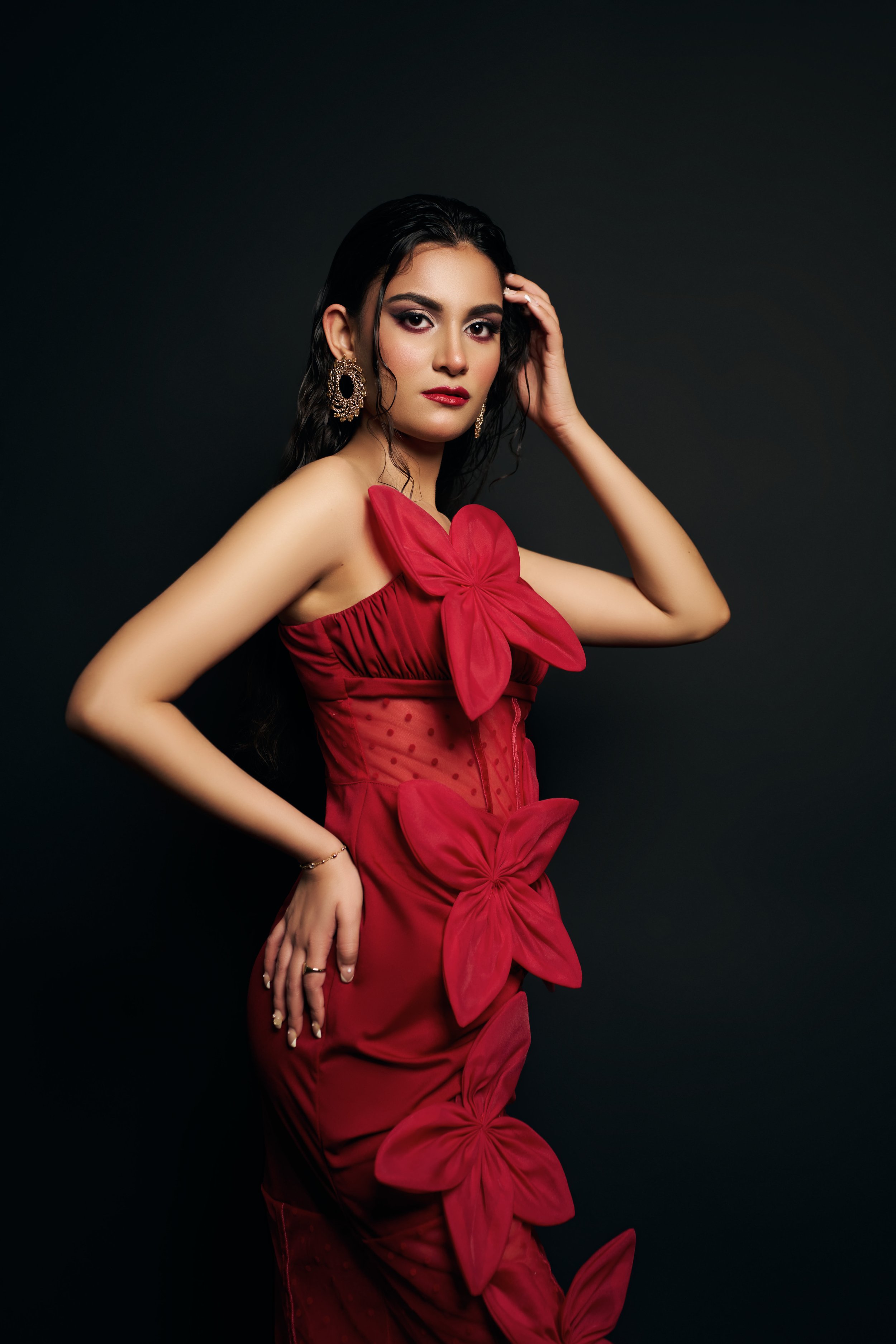
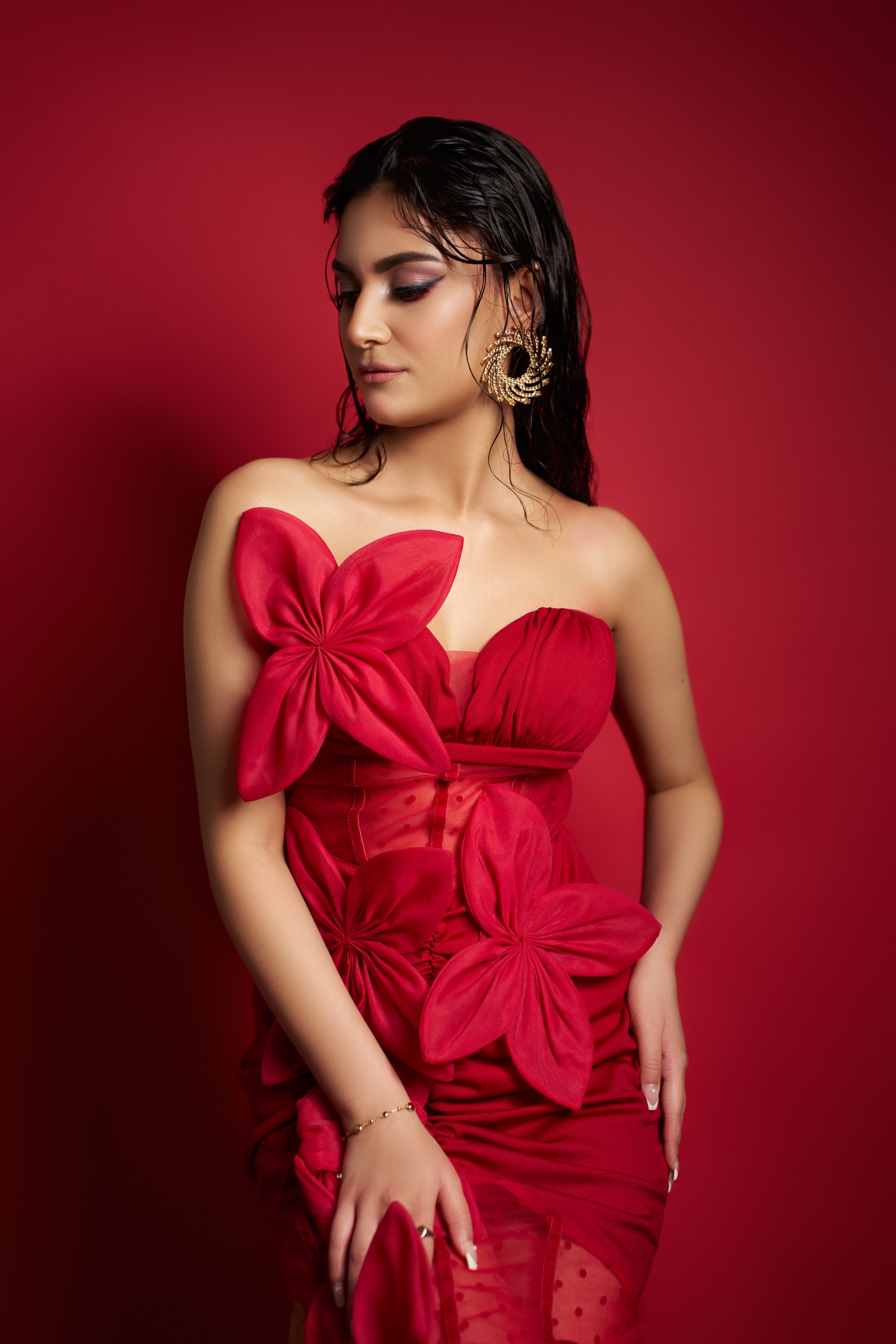
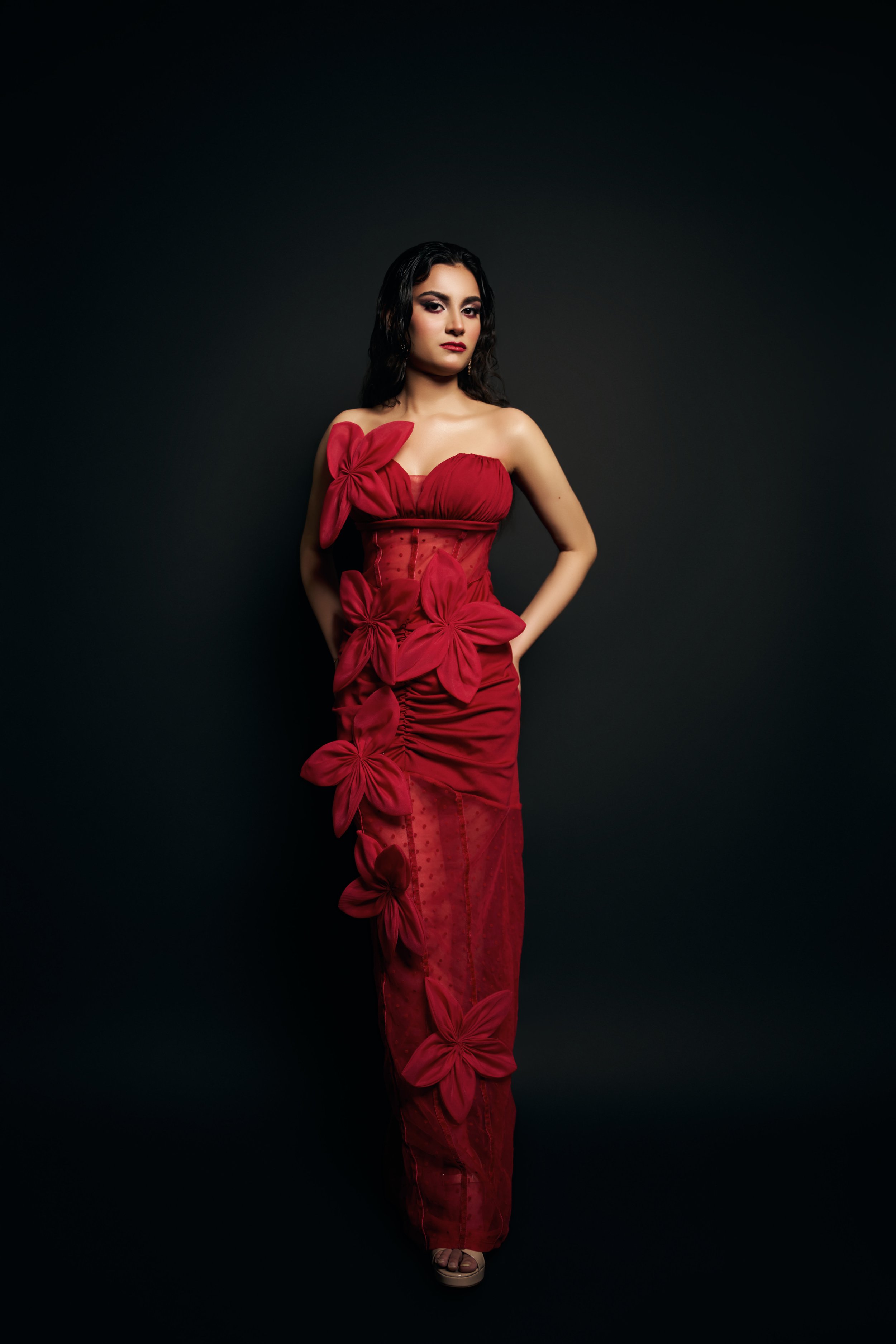
1. Match Their Portfolio to Your Shoot's Style
Not every makeup artist specializes in every look. Before reaching out, review their portfolio and ask: does their work already look like what I want for my shoot? Editorial/fashion shoots, look for MUAs comfortable with bold, artistic, or avant-garde looks Beauty shoots, look for flawless skin work and precision (close-up shots reveal every detail) Commercial/lifestyle shoots, look for natural, camera-ready looks that read well but don't look "done" Bridal or soft glam a completely different skill set from editorial makeup If an MUA's portfolio is full of soft, natural looks but your concept calls for bold editorial makeup, that mismatch will show in the final images, skill in one style doesn't always transfer to another.
2. Ask About Their Experience With Photography (Not Just Makeup)
Makeup for photography is different from everyday makeup, it needs to hold up under studio lighting, flash, and high-resolution cameras, which can be far less forgiving than natural light. An experienced photoshoot MUA will know how to: Adjust makeup for different lighting setups (studio strobes vs. natural light) Avoid products that flash back or look ashy/oxidized on camera Set makeup so it lasts through a multi-hour shoot with outfit and location changes If someone primarily does makeup for events or everyday clients, ask directly whether they have photoshoot-specific experience.
3. Check Reviews and Past Client Work, Not Just Their Best Posts
Anyone's Instagram highlight reel shows their best work. Ask to see a few different projects, or check tagged photos and reviews from past clients, to get a more accurate sense of consistency. A single stunning portfolio shot doesn't guarantee they can replicate that quality reliably.
4. Discuss the Concept and Reference Images Beforehand
Before booking, share your shoot's concept, mood board, or reference images with the MUA. A good makeup artist will: Ask questions about the lighting, location, and overall vision Offer input on what will and won't translate well on camera Confirm they can execute the specific look you're going for If they're vague about the concept or don't ask any questions, that's a sign they may not be fully prepared for shoot day.
5. Clarify Logistics Before Booking
A few practical questions to ask upfront: Do they bring their own kit, or do you need to supply certain products? How long will the makeup application take, and does that fit your shoot schedule? Are touch-ups included during the shoot, or is that an extra cost? What's their cancellation or rescheduling policy? Getting these answers early avoids scheduling conflicts or unexpected costs on shoot day.
6. Budget for Quality, But Compare Fairly
Rates vary widely based on experience and location, and the most expensive MUA isn't always the best fit for your specific shoot — but the cheapest option can also mean less experience with photography-specific makeup. Compare a few artists at a similar experience level and choose based on portfolio fit and communication, not price alone.
7. Trust the Trial, If There's Time
If your budget and schedule allow, a short trial session (even 20-30 minutes) before the actual shoot day can confirm the MUA understands your vision and can execute it, especially valuable for bigger shoots where there's no room for surprises.
Red Flags to Watch For
No photoshoot-specific portfolio, only event or bridal work Unwilling to discuss the concept or reference images beforehand No clear answers on logistics (timing, kit, touch-ups) Portfolio that's inconsistent in quality across different projects
Final Thoughts
The right makeup artist doesn't just apply makeup well, they understand how it translates on camera and how it fits your shoot's specific concept. Take the time to review portfolios, ask the right questions, and confirm logistics before booking, and the difference will show clearly in your final images.
Planning a shoot in NYC and need help coordinating the right team? Book a session and I can help connect you with makeup artists who fit your concept.