
How to Build a Modeling Portfolio That Gets You Booked
A modeling portfolio isn't a photo album, it's a sales tool. Clients and agencies flip through it in seconds, deciding whether you're right for their project before they even meet you. A strong portfolio gets you booked; a cluttered or unfocused one gets skipped. Here's how to build one that works.
1. Start With Range, Not Repetition
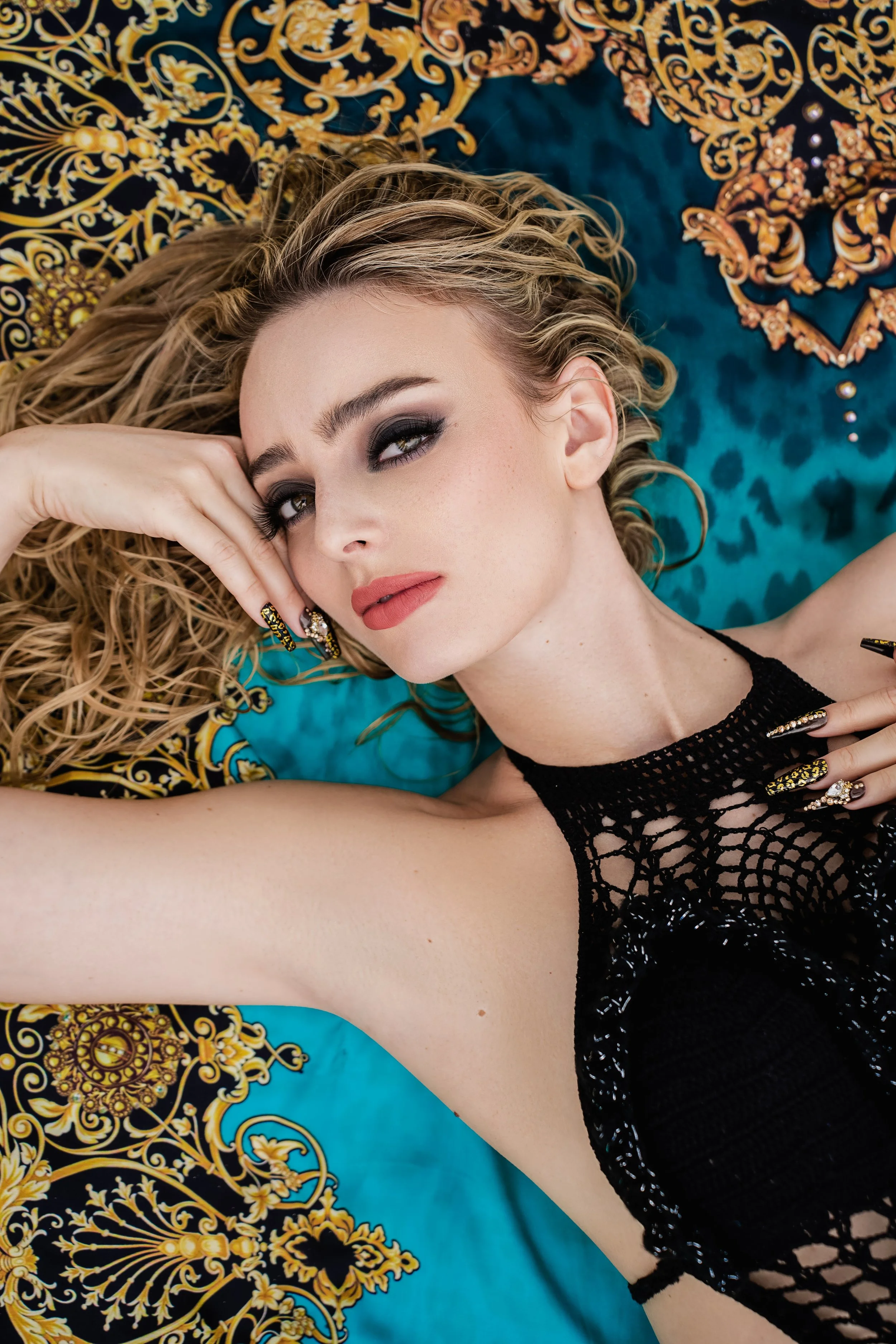
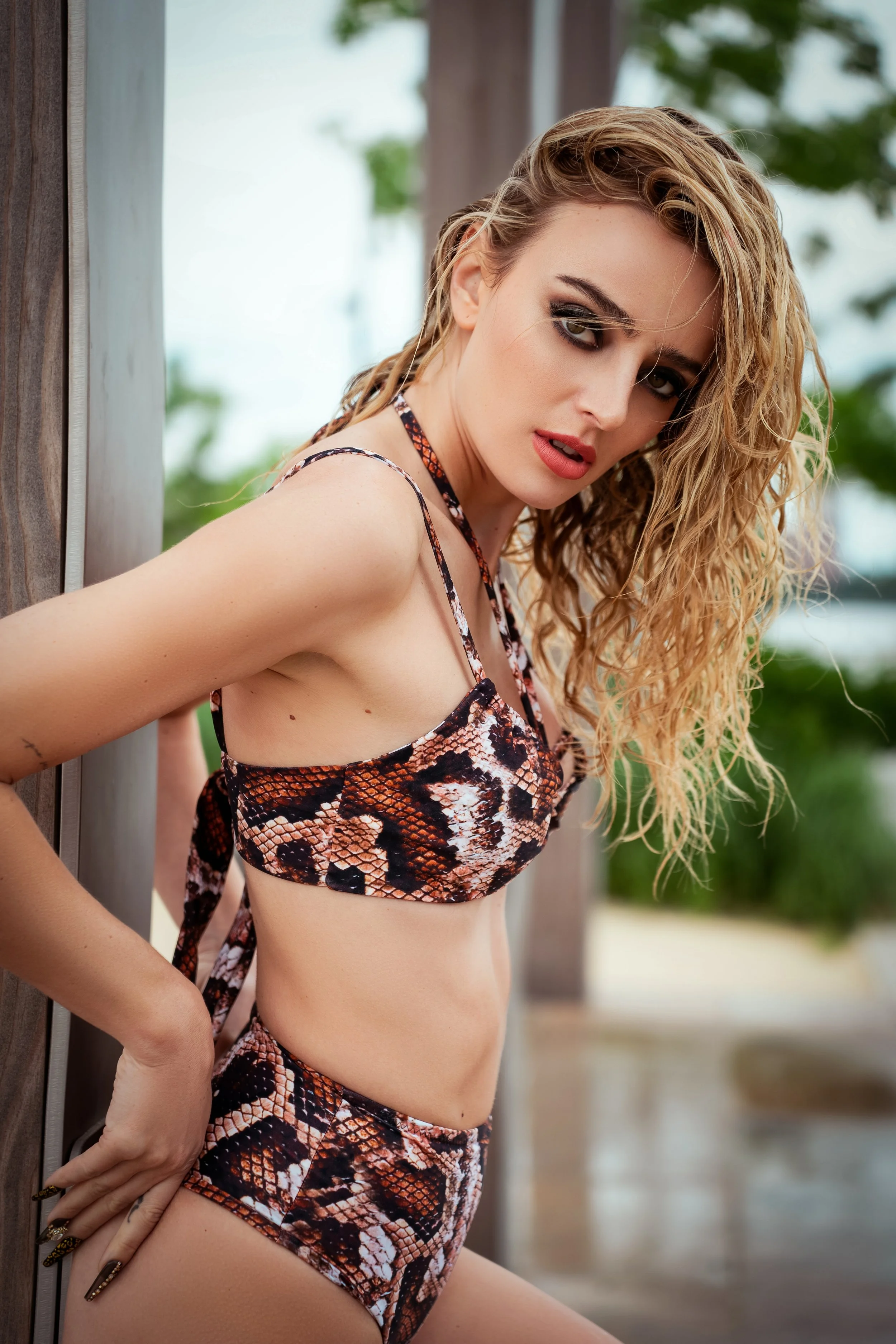
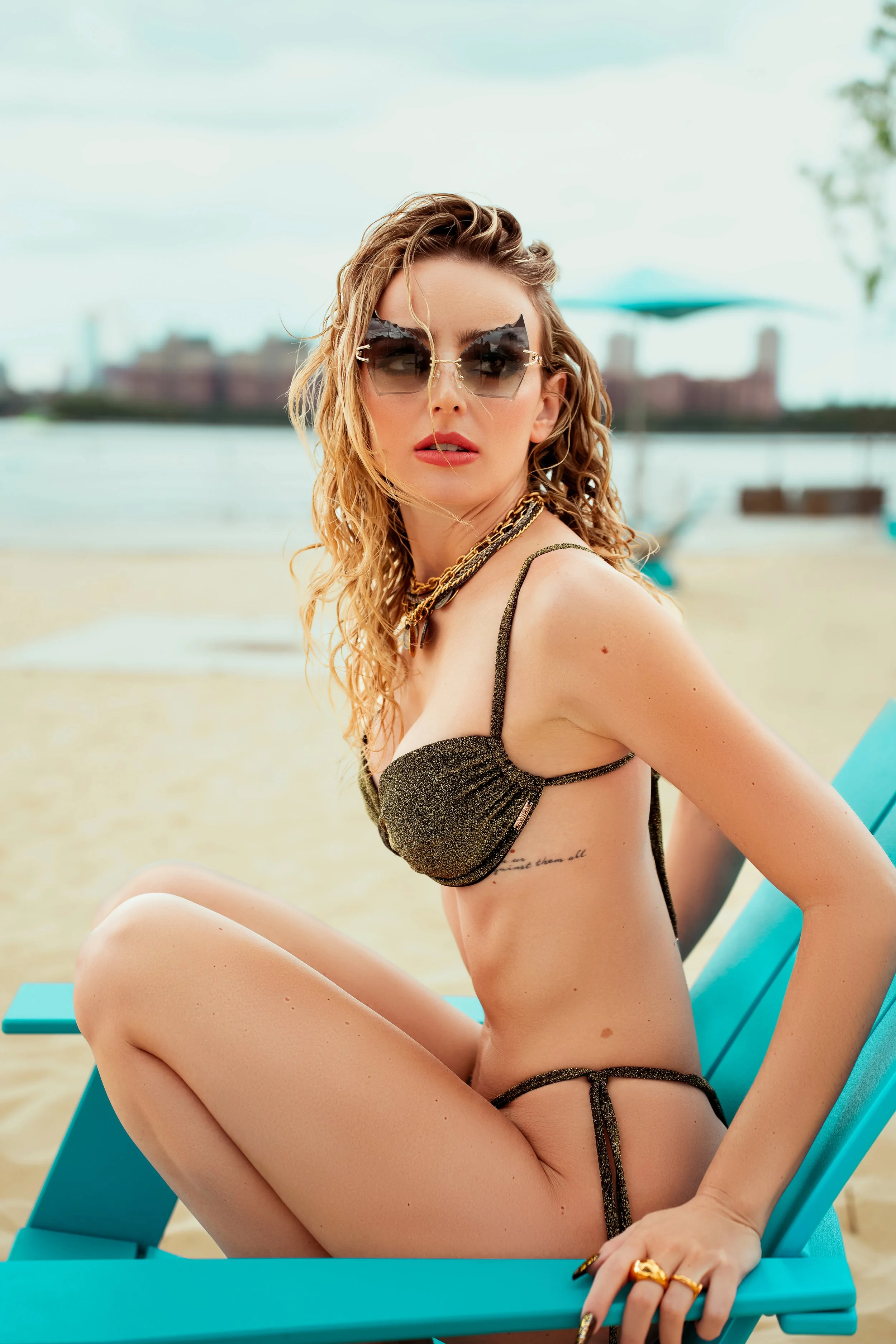
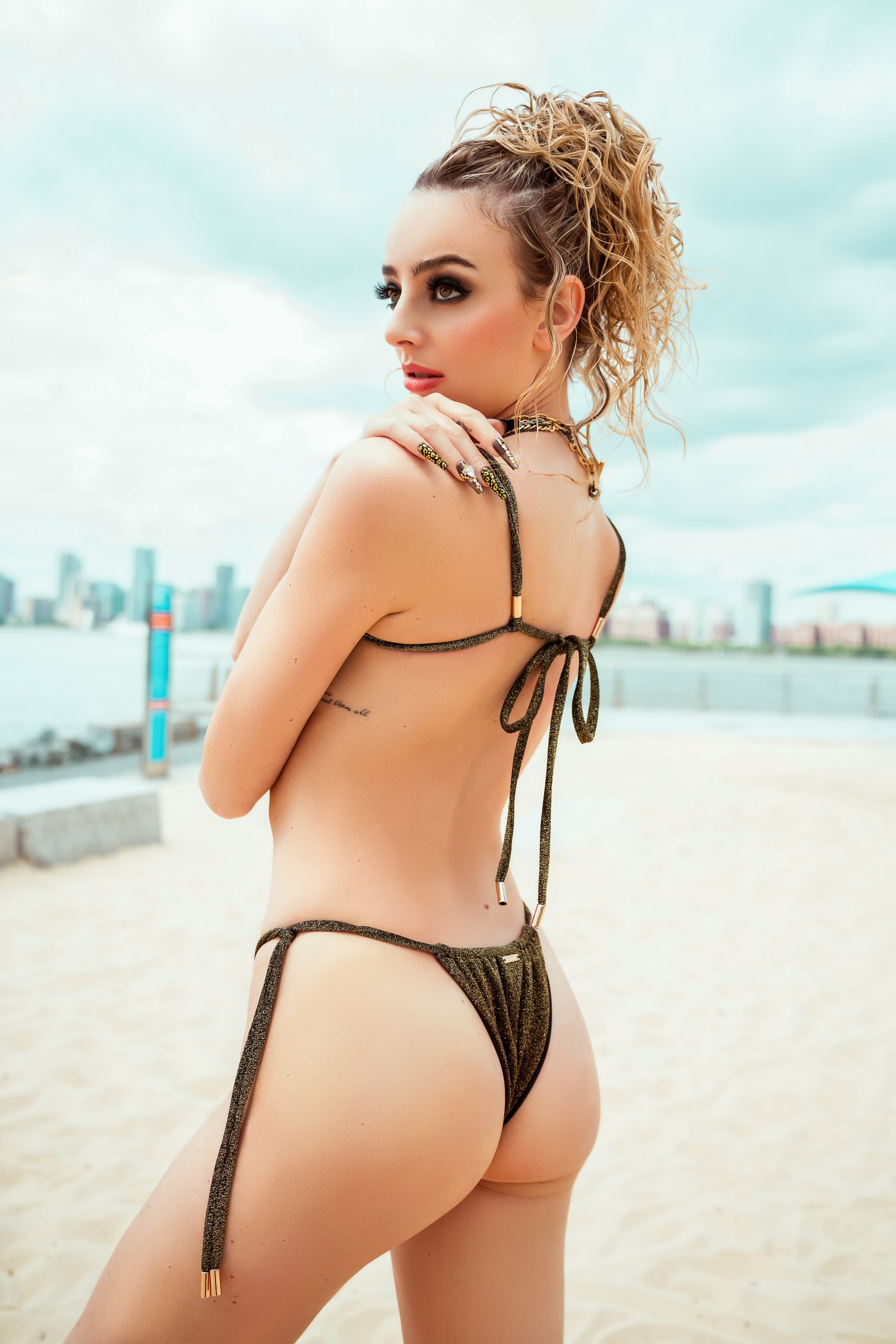
A common mistake is filling a portfolio with 20 photos that all look the same — same pose, same lighting, same outfit style. Agencies and clients want to see range: how you look in different lighting, moods, and styles. A strong starting portfolio should include:
A clean, natural headshot (no heavy makeup or filters)
A full-body shot showing your proportions clearly
At least one editorial/fashion-forward image
At least one commercial/lifestyle image (smiling, approachable)
A beauty-focused close-up (skin, hair, expression)
Five to ten strong, varied images beats thirty images that all say the same thing.
2. Quality Over Quantity, Always
Every image in your portfolio should be one you'd be proud to have represent you to a potential client. If you're unsure about a photo, leave it out — a shorter, stronger portfolio always outperforms a longer, inconsistent one. Clients are judging your best work, not your average work.
3. Order Matters
Put your strongest, most versatile shot first. Clients often decide within the first two or three images whether to keep looking. A good structure:
Your best, most striking image (headshot or full-body)
A range of styles (editorial, commercial, beauty)
Close with another strong shot — first and last impressions stick
4. Include Test Shoots, Not Just "Selfie" Content
Agencies can immediately tell the difference between professionally shot images and phone photos. If you're just starting out, book a few test shoots with a photographer who understands fashion or editorial work — even a short, simple session can produce portfolio-ready images that phone photos never will. This is often the single biggest upgrade a new model can make.
5. Update It Regularly
Your look, hair, and style change over time — your portfolio should too. Plan to refresh your portfolio every 6-12 months, or sooner if you get a strong new set of images from a shoot. An outdated portfolio (different hair color, different body composition, older editing trends) can actually work against you in castings.
6. Keep Your Digitals Separate From Your Portfolio
Digitals (simple, unedited photos used for agency submissions) and your portfolio (curated, styled work) serve different purposes — don't mix them. Submit clean digitals when applying to agencies, and save your styled portfolio for when clients or bookers want to see your range and experience.
7. Make It Easy to Access
Whether it's a PDF, a personal website, or a platform like Model Mayhem or Pixieset, make sure your portfolio is easy to share with a single link — clients and bookers won't dig through folders or scroll through Instagram to find your best work.
Common Portfolio Mistakes to Avoid
Too many similar poses or outfits back-to-back
Heavily filtered or over-edited images that don't reflect how you actually look
No variety in mood, lighting, or styling
Outdated photos that don't reflect your current look
Including personal or casual photos alongside professional work
Final Thoughts
A modeling portfolio that gets you booked isn't about how many photos you have, it's about showing range, quality, and consistency in a handful of strong images. If you're building or refreshing your portfolio, a focused test shoot with the right photographer can make more of a difference than a dozen phone photos ever will.


