
Creative Photoshoot Concepts for Instagram (No Studio Needed)
You don't need a studio, expensive gear, or a big budget to make Instagram photos that stand out. What you need is a clear concept. A strong idea turns an ordinary street corner, window, or doorway into a memorable image. Here are creative concepts you can try with natural light and the world around you, plus tips for pulling them off.
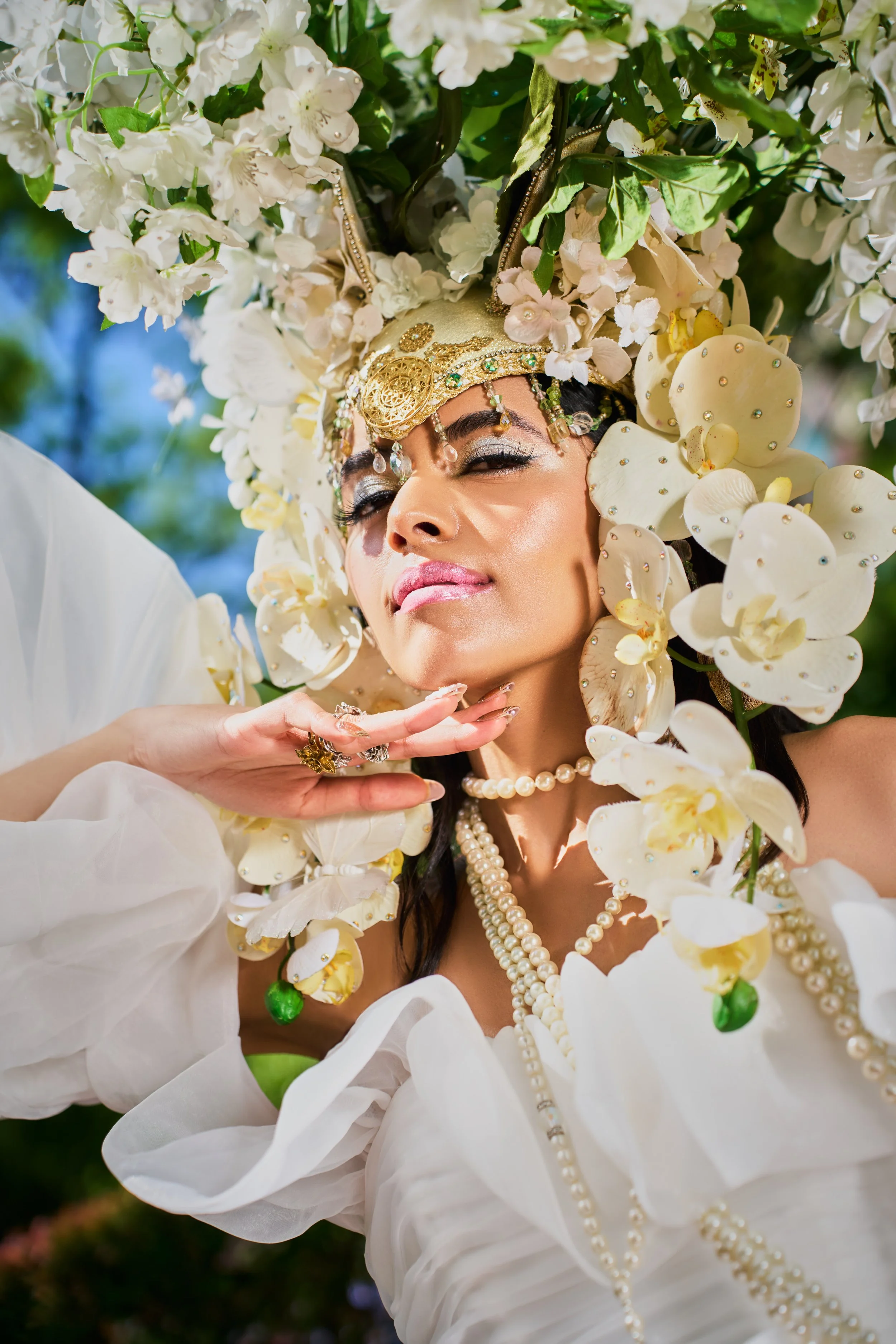
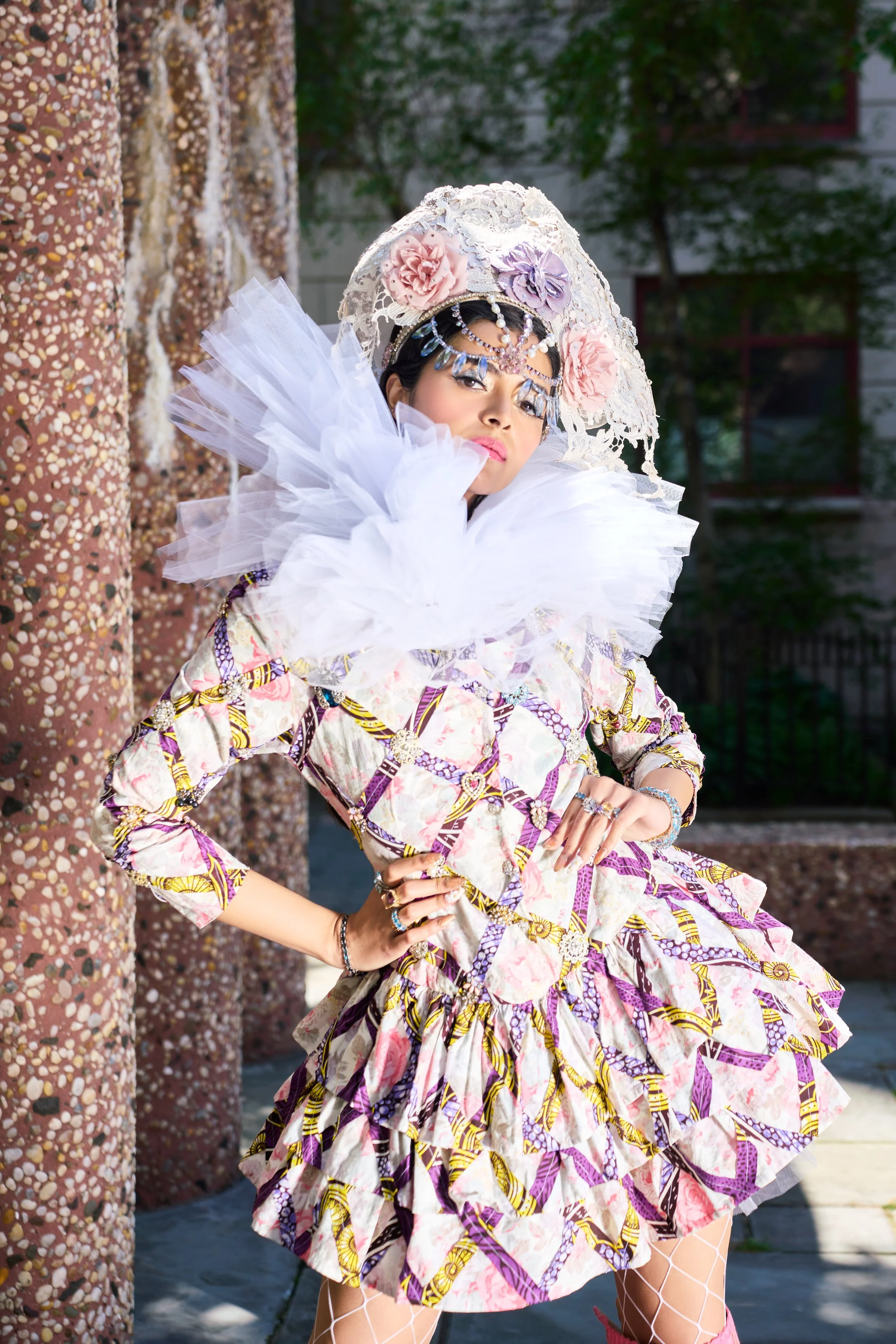
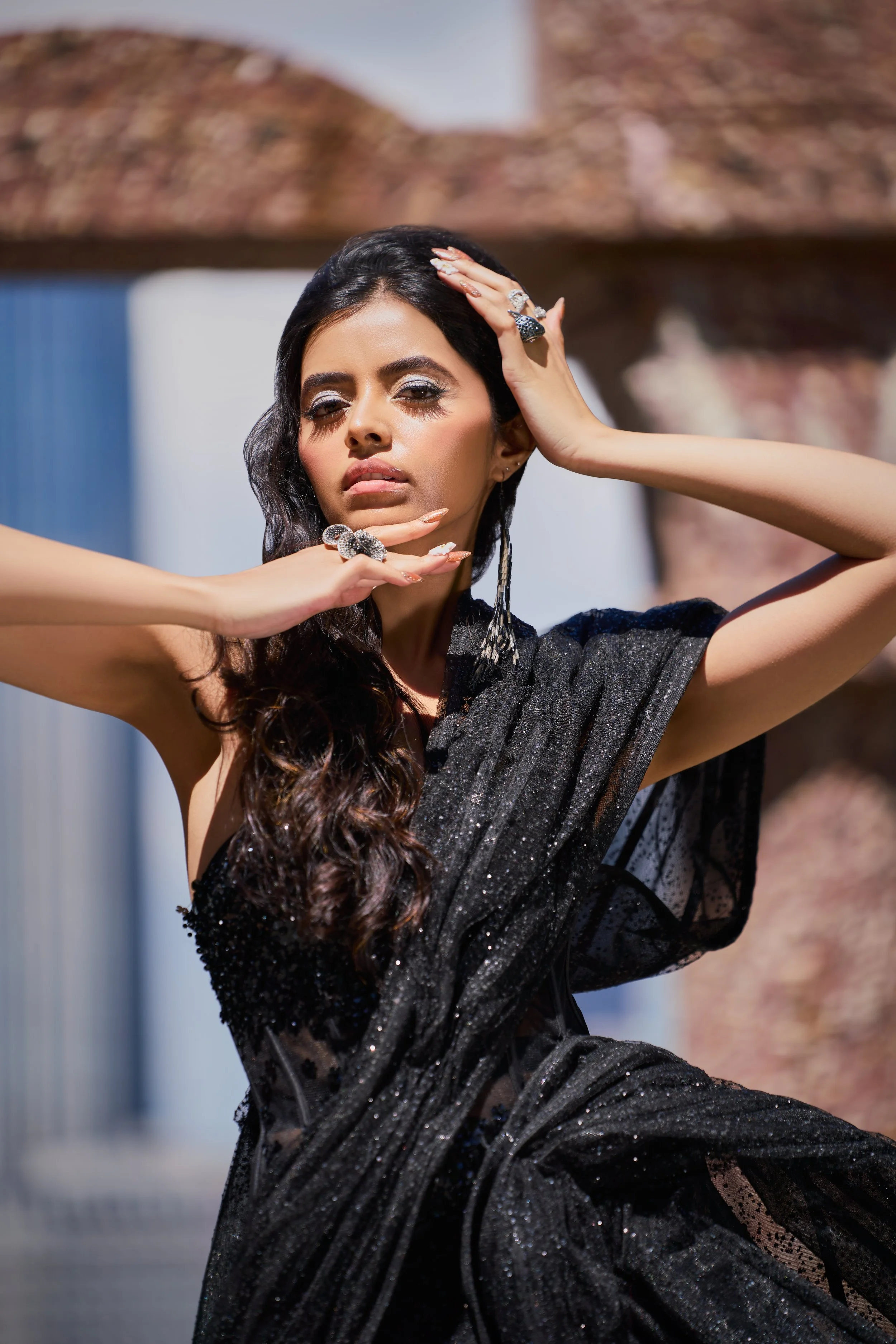
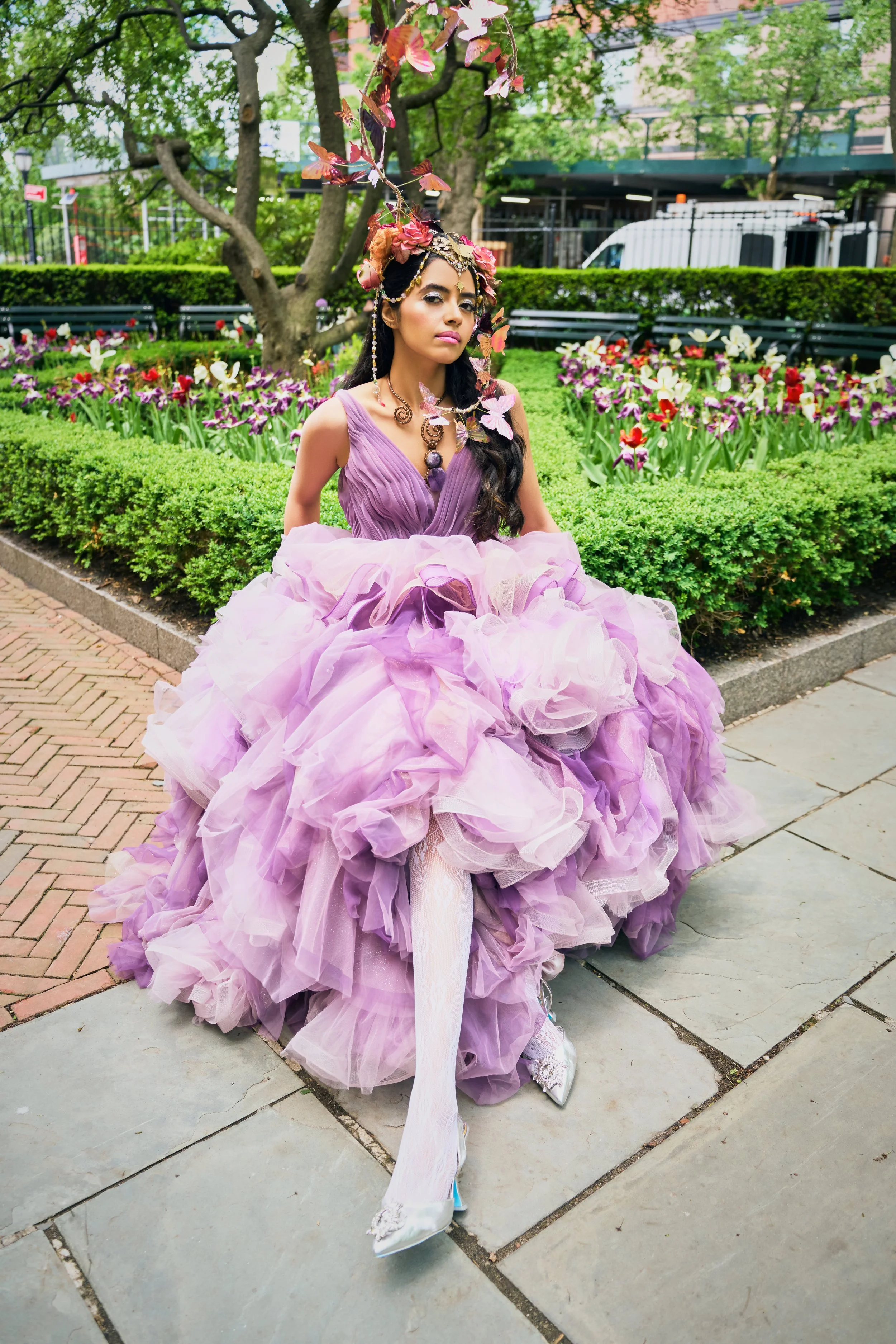
1. Window Light Portraits
Natural light from a window is soft, flattering, and free. Sit or stand near a large window, turn your face slightly toward the light, and keep the rest of the room simple. Sheer curtains work as built-in diffusion.
Make it creative: Shoot in the morning for cool, clean light or late afternoon for warmer tones. Try shadows from blinds, plants, or lace curtains falling across your face and outfit.
2. Golden Hour Glow
The hour after sunrise and the hour before sunset gives warm, low-angle light that flatters almost everyone. Face the light for a soft glow, or put the sun behind you for a hazy, backlit look.
Make it creative: Look for spots where light streams between buildings, or where it hits a wall, a stoop, or a street corner in a strip of gold. In NYC, cross streets that run east to west often catch sunset light well.
3. Street Crosswalk Fashion
City streets make instant sets. Crosswalks, painted lines, and crowded sidewalks give you graphic shapes and a sense of movement.
Make it creative: Have a friend shoot a walking sequence from a low angle, or capture mid-stride shots where your coat or hair is caught in motion. Plan it for a quieter time of day to avoid crowds and traffic.
4. Color-Block Concept
Pick one color and build the whole image around it: outfit, background, and props. A person in a yellow coat in front of a yellow wall, or a red outfit against red doors, looks intentional and eye-catching.
Make it creative: Wander your neighborhood to find a painted wall, storefront, or door in a bold color, then style your outfit to match or contrast with it (see our guide to styling a shoot around a concept).
5. Reflections and Mirrors
Reflections add depth and an artistic feel. Puddles after rain, shop windows, car mirrors, and metal surfaces can all create layered images.
Make it creative: Shoot a reflection in a puddle with your phone low to the ground, or frame yourself in a window so the street scene overlaps with your reflection.
6. Shadow Play
Strong sunlight can create graphic shadows from fences, fire escapes, palm leaves, or architecture. Place yourself so these patterns fall across your face or outfit.
Make it creative: Shoot around midday, when shadows are sharpest, and look for patterns that break across your body. It's the opposite of soft light, so it feels bold and editorial.
7. Cafe and Lifestyle Story
A coffee shop, bookstore, or corner market gives you a natural setting and props. Use the environment to tell a small story: reading by the window, ordering at the counter, laughing with a friend.
Make it creative: Plan a short series (arrival, moment, leaving) so your post or carousel feels like a story. Ask permission before shooting inside a business.
8. Vintage and Thrifted Edit
Secondhand pieces give you distinctive outfits at low cost. Style a vintage jacket, an unusual dress, or retro accessories, and choose a location that matches the era, such as a diner, an older building, or a stoop.
Make it creative: Build a mood board around a decade and keep the colors consistent
9. Motion and Movement
Movement gives photos energy. Try spinning in a flowing skirt, tossing your hair, walking toward the camera, or letting fabric catch the wind.
Make it creative: Use burst mode on your phone to capture a sequence, then choose the frame where the movement looks most natural.
10. Night and Neon
City lights after dark give you glowing signs, reflections on wet pavement, and a moody atmosphere. Look for neon signs, shopfronts, or street lamps that cast colored light.
Make it creative: Stand near a light source so it falls on your face, and keep the background simple. Hold your phone steady and use night mode if your phone has one.
11. Rooftop or Stoop Portraits
A brownstone stoop, a fire escape, or a rooftop gives you height, texture, and a classic New York feel. These spots work well for relaxed, lifestyle-style portraits.
Make it creative: Pair a casual outfit with one statement piece, and use the surrounding architecture to frame you. Always respect private property and residents.
12. "Day in the Life" Series
Instead of one perfect image, create a set that follows a day or a mood: morning coffee, walking to work, an afternoon break, an evening out. A cohesive series works well as a carousel and shows personality.
Make it creative: Keep your color palette and editing style consistent so the set feels like one story.
Tips to Make Any Concept Work
Start with light. Soft, natural light is the biggest upgrade you can make. Window light and golden hour are the easiest places to begin.
Plan the outfit around the concept, not the other way around. Solid colors and simple textures tend to photograph best.
Clean your camera lens. Phone lenses collect smudges, and a quick wipe makes a visible difference.
Shoot a lot, then edit. Take many frames and choose only the best few.
Keep your editing consistent. A similar tone and color style across your posts makes your feed feel intentional (see our guide to building an Instagram portfolio).
Mind permissions and safety. Be considerate of traffic, private property, and businesses, and bring a friend if you're shooting somewhere unfamiliar.
Final Thoughts
Good Instagram photos start with an idea, not a studio. Pick a simple concept, find good light, and keep the details intentional: your outfit, your location, and how you pose. Once you've tried a few of these, you'll start noticing photo opportunities everywhere you go.
Want professional images for your feed or portfolio? Book a session and let's turn one of these concepts into a full shoot in NYC.